




Coastal Folk Art
Coastal folk art pieces are charming maritime and seaside creations made from wood, shells, and oil paint that bring authentic nautical character into any interior.
Coastal Folk Art
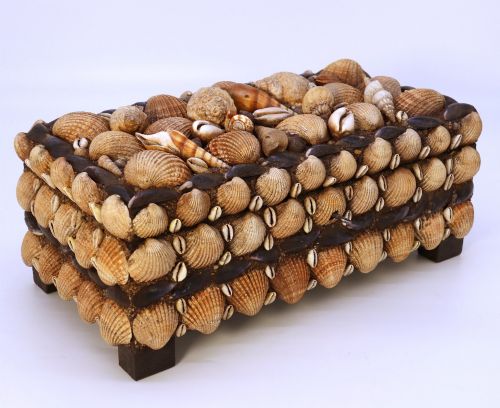
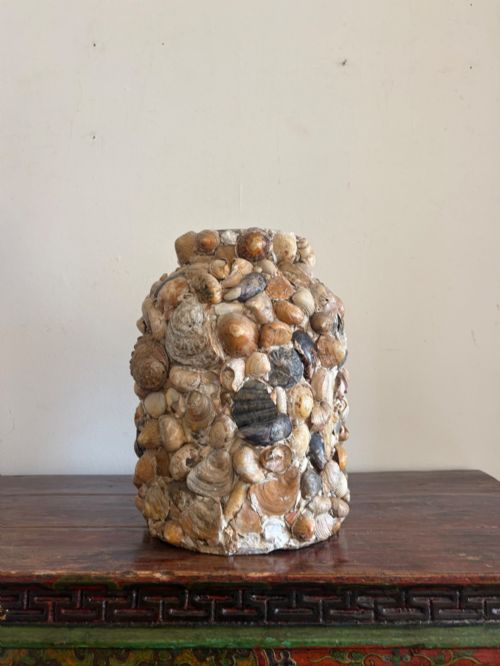
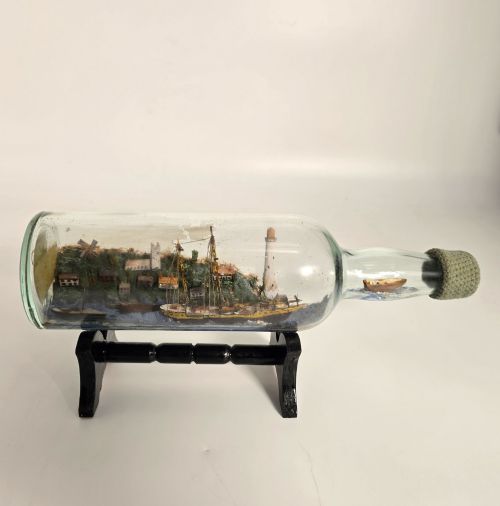
When someone searches for coastal folk art, they encounter a fascinating mix of handmade maritime objects that capture the spirit of the sea and shore. These items range from intricate shellwork boxes and decorative jars to detailed ship dioramas housed within glass bottles and shadow boxes.
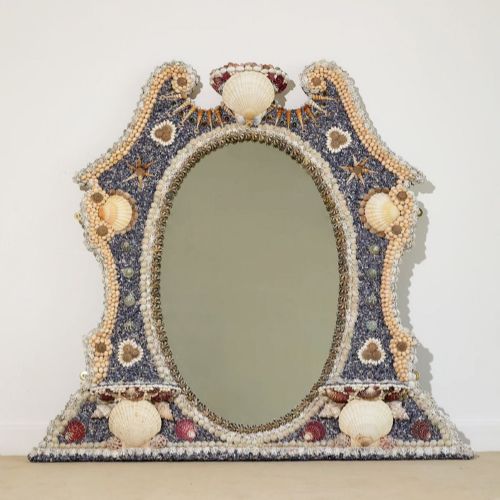
The versions most frequently met on this page date from the Georgian period through the nineteenth century and into the early twentieth century. Buyers often discover remarkable wall mirrors adorned with later shellwork, alongside oil paintings depicting fisher folk and coastal scenes.
Originating largely from British and Scottish traditions, these pieces reflect the resourceful nature of coastal communities. Makers utilised readily available seaside materials to construct domestic ornaments and devotional models that celebrated maritime life.
How they were made
Makers constructed the structural elements of these objects using sturdy timber woods, often forming wooden plinths and boxes to house delicate interior scenes. Model ships and miniature dioramas were painstakingly assembled by hand inside glass bottles and shadow boxes using simple tools and everyday fixings.
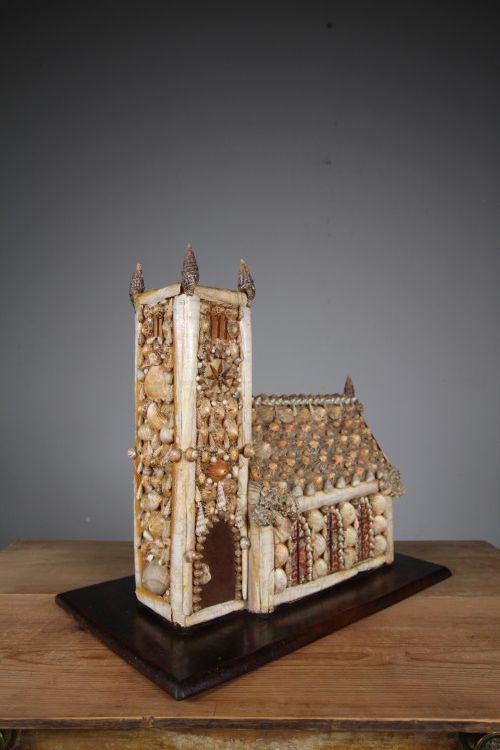
Seashells formed a primary medium for decorative surface work, secured with putty and plaster to wooden foundations on trinket boxes, mirrors, and grottoes. These natural elements were arranged in elaborate geometric or architectural patterns, sometimes complemented by gilt wood accents.
Painters recorded coastal life using oil on panel, applying rich pigments to canvas or wood supports to capture seascapes and portraits of fisher folk. The combination of tactile materials like paint, glass, and shells defines the material reality of these maritime items.
Coastal Folk Art Retail Price Guide 2026
Typical asking prices for coastal folk art among the pieces listed under this phrase on Sellingantiques today, from the lower quarter to the upper quarter. They describe what is for sale here now, not the wider market.
Someone spent countless hours gluing tiny seashells into a church shape, proving that seaside patience knows no bounds.
What varies in quality
The sophistication of the shellwork and the intricacy of the construction separate the finer examples from simpler domestic efforts. Pieces that maintain structural stability and retain their original components without excessive loss of delicate elements demonstrate superior craftsmanship.
In painted works, the fluidity of brushwork and the expressive depiction of the human figures or coastal light dictate the merit of the piece. Well-composed maritime dioramas display meticulous attention to scale and rigging inside their glass vessels.
James Kyd·William Shayer·James G. Faulds
The Coastal Folk Art Glossary
- Shellwork
- The decorative application of seashells onto wooden foundations or objects using adhesives such as putty and plaster. This technique created ornate frames, boxes, and grottoes popular in seaside communities.
- Diorama
- A three-dimensional scene housed within a display case, shadow box, or glass bottle. In maritime pieces, these typically depict model sailing ships upon simulated waves.
- Oil on Panel
- A painting technique where oil pigments are applied to a wooden support rather than canvas. This medium provided a rigid and durable surface favored by nineteenth-century marine artists.
- Genre Painting
- Artwork depicting scenes from everyday life, particularly involving ordinary people. In coastal contexts, this often includes fisher folk working on beaches or preparing for market.
- Gilt Wood
- Timber that has been treated with a thin layer of gold leaf or metallic gilt paint. It frequently appears on mirror frames and decorative mounts associated with period folk art.
Coastal Folk Art: Frequently Asked Questions
What is coastal folk art?
Coastal folk art encompasses handmade maritime and seaside objects created from materials like wood, seashells, and oil paint. These pieces include model ships in bottles, shell-decorated boxes, and nineteenth-century coastal oil paintings.
Created by local artisans and painters, these items reflect the deep connection between coastal communities and the sea. They serve as tactile reminders of maritime heritage and traditional seaside crafts.
How were ship dioramas made?
Makers constructed miniature model ships using wood and thread, designing them with collapsible masts so they could pass through the narrow neck of a glass bottle. Once inside, the masts were pulled upright using attached strings.
The model was then secured to a base, often styled with putty or plaster to represent waves, creating a complete maritime scene within the glass enclosure.
How do I care for shellwork objects?
Shellwork items require gentle handling and a stable environment away from direct sunlight and excessive moisture. Dusting should be performed very carefully with a soft, dry brush to protect the delicate shell arrangements.
Keeping these pieces in rooms with steady temperatures helps prevent the underlying wood and adhesives from expanding or contracting.
How can I tell the period of a painting?
Nineteenth-century marine and genre paintings often exhibit specific characteristics in their pigments, framing, and panel preparation. Examining the reverse of the panel or canvas can reveal historical labels, signatures, or framing stamps.
Comparing the clothing and activities of the depicted fisher folk with known historical styles also helps establish an accurate timeframe.