



Coalbrookdale Furniture
Coalbrookdale furniture brings robust Victorian ironwork into the garden and the hallway.
Coalbrookdale Furniture
When you search for coalbrookdale furniture, you encounter sturdy pieces forged from cast iron during the nineteenth century. These objects bridge utilitarian function and decorative ambition, serving both the country house interior and the garden lawn.
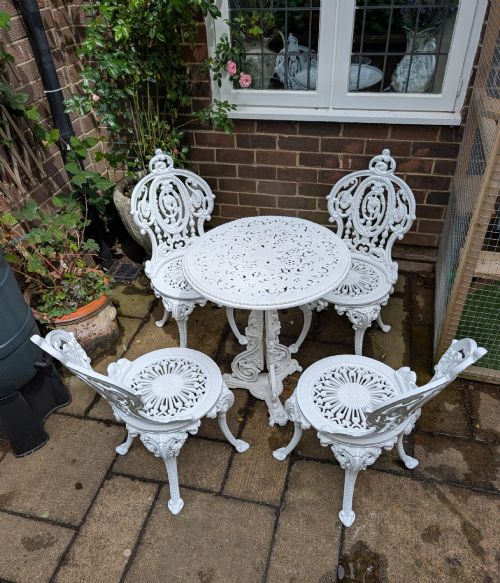
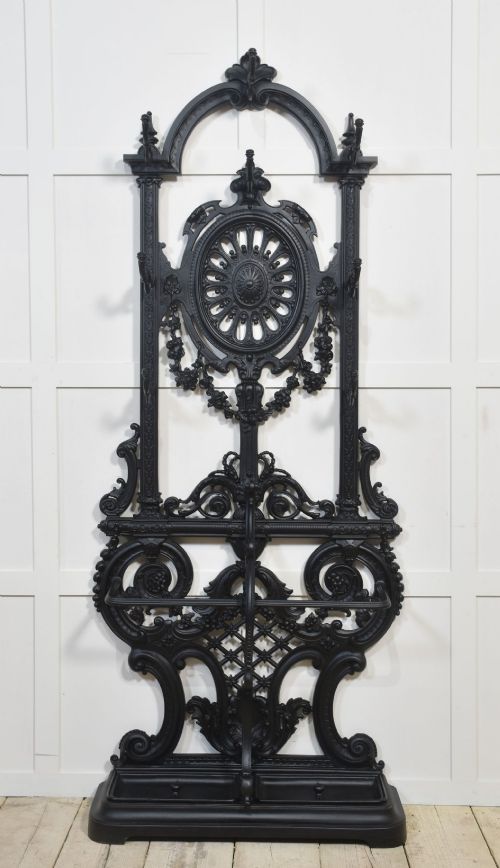
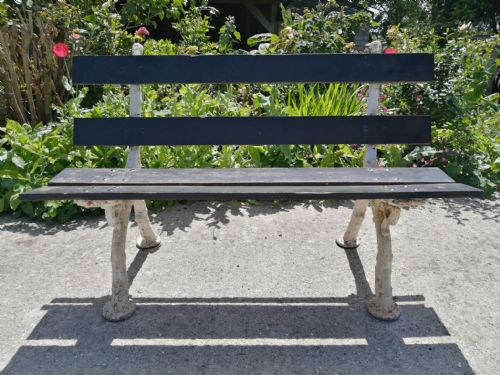
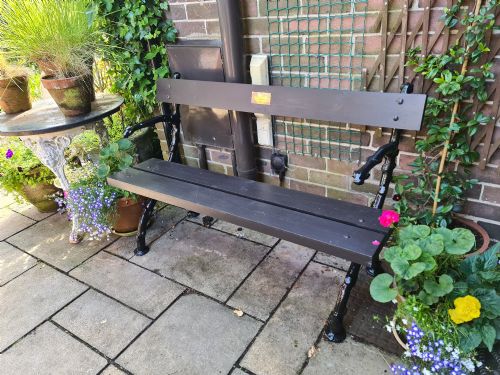
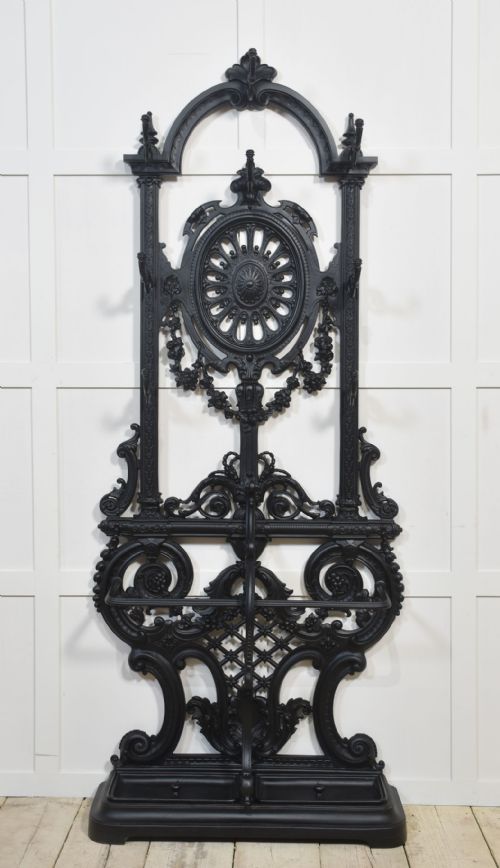
The most common forms on this page are garden benches and hall stands, often displaying the intricate naturalistic patterns typical of the Victorian period. You will also find stick stands and bench ends reflecting styles ranging from rustic faux bois to gothic revival.
Many of these utilitarian items survive from the nineteenth century, reflecting the industrial prowess of the era. Their enduring appeal lies in the strength of cast iron combined with delicate moulding that mimics wood or foliage.
Materials and construction
Makers utilised heavy cast iron poured into intricate moulds to achieve high relief and sharp botanical detailing. This technique allowed ironfounders to produce complex forms like faux bois branches and gothic tracery with industrial consistency.
Wood and paint frequently appear alongside the metalwork, particularly in structural elements or surface finishes that preserve the iron beneath. Additionally, glass and marble sometimes supplement hall stands and furniture pieces, adding tactile contrast to the heavy metal framework.
Coalbrookdale Furniture Retail Price Guide 2026
Typical asking prices for coalbrookdale furniture among the pieces listed under this phrase on Sellingantiques today, from the lower quarter to the upper quarter. They describe what is for sale here now, not the wider market.
Listings feature nineteenth-century cast iron spanning garden benches, hall stands, and stick stands in Victorian styles.
Assessing quality
The refinement of the casting separates the finer examples from simpler work, visible in the crispness of the foliage and the depth of the relief. A well-poured piece retains sharp edges and clean lines that lesser castings lose in production.
Design ambition also marks the difference between standard production and exceptional pieces, such as those incorporating figural elements like Hercules or elaborate gothic tracery. The sophistication of the Victorian style dictates the visual weight and desirability of the item.
The Coalbrookdale Furniture Glossary
- Cast iron
- A strong, hard alloy of iron and carbon that is poured into moulds to create complex shapes. It forms the structural and decorative foundation of these pieces.
- Faux bois
- A decorative technique mimicking the texture and appearance of natural wood grain. This finish often appears on nineteenth-century garden seats.
- Hall stand
- A piece of hallway furniture designed to hold coats, hats, sticks, and umbrellas. They frequently incorporate cast iron drip pans and mirrors.
- Gothic revival
- An architectural and decorative style drawing inspiration from medieval design. Pieces in this aesthetic feature pointed arches and heavy geometric tracery.
Coalbrookdale Furniture: Frequently Asked Questions
What is coalbrookdale furniture?
It encompasses nineteenth-century cast iron items, primarily garden benches, hall stands, and stick stands, produced in the style of the famous Shropshire foundry.
These pieces utilise robust metalwork to create both decorative garden seats and practical hallway furniture for Victorian homes.
How do I care for cast iron furniture?
Cast iron requires protection from prolonged moisture to prevent oxidation, though the material is exceptionally durable outdoors.
Regular cleaning and appropriate exterior paint or protective coatings help preserve the detailed surface patterns and structural integrity.
Where were these pieces used?
Garden benches and seats were placed on lawns, verandas, and woodland walks to withstand the elements.
Inside the country house, hall stands and umbrella stands anchored the entrance hall for visitors and residents alike.
How can I tell the period?
The nineteenth century and Victorian eras dominate these objects, identifiable through casting techniques and characteristic decorative motifs.
Stylistic cues like faux bois or gothic revival point directly to Victorian design preferences and manufacturing capabilities.