
Cluster Ring Jewellery
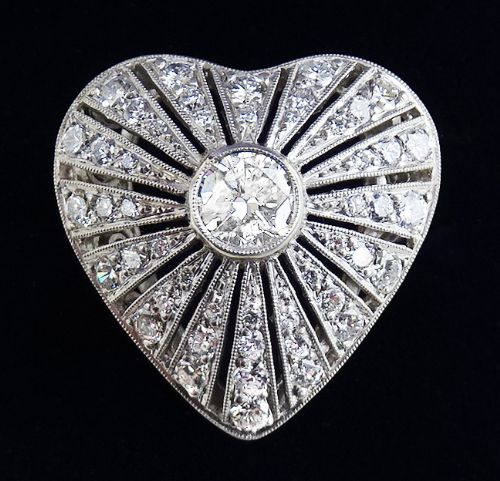
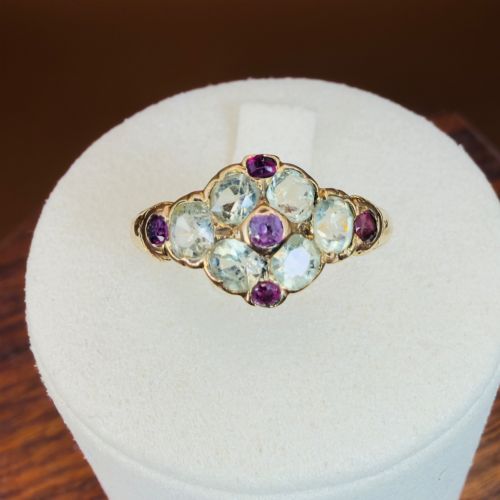
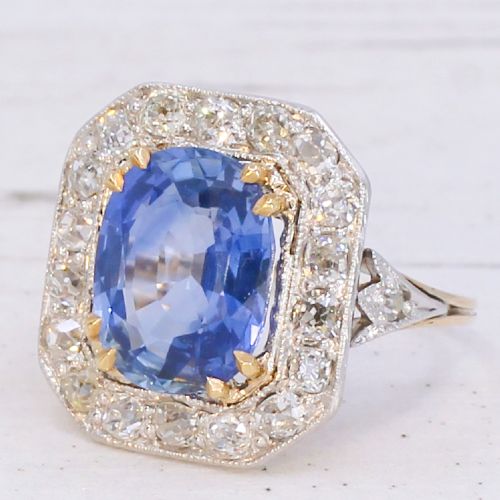
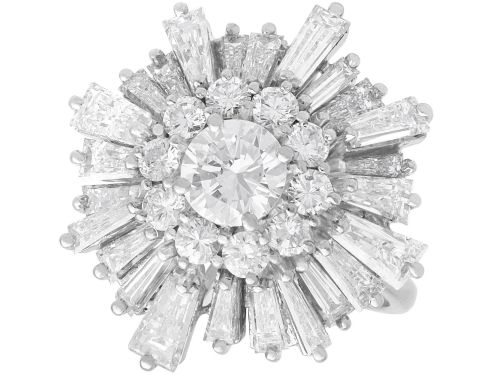
Cluster ring jewellery brings together a central gem surrounded by smaller stones, offering a distinctive focal point worn across the Victorian, Edwardian, and Art Deco periods.
Cluster Ring Jewellery
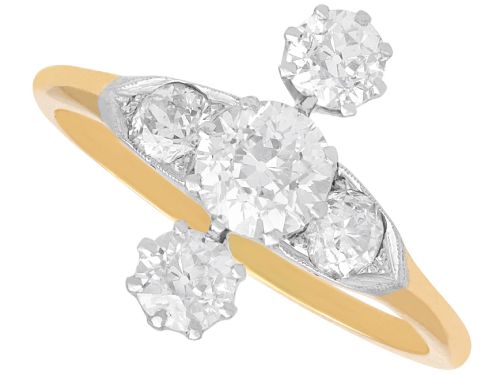
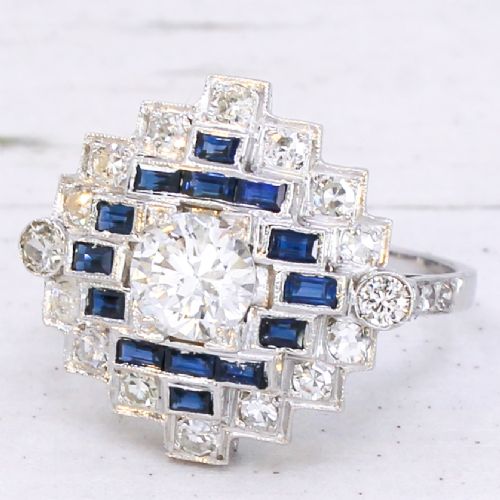
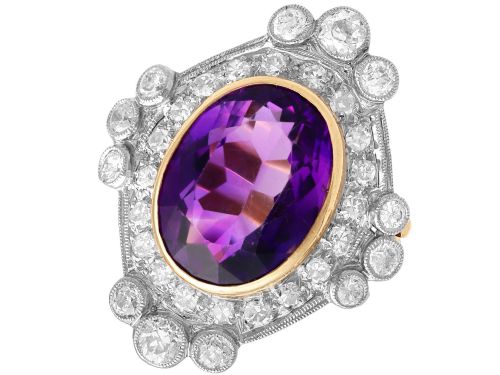
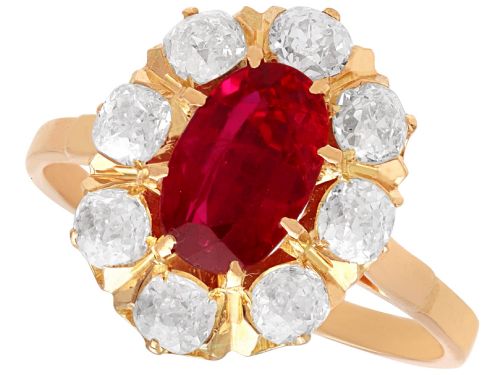
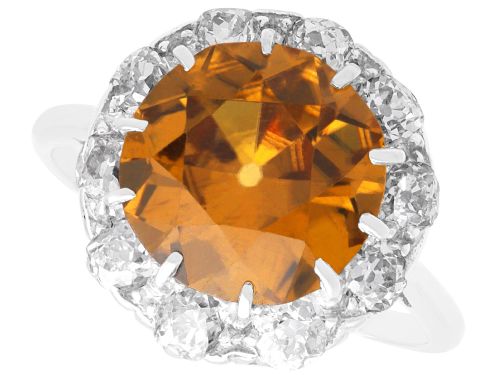
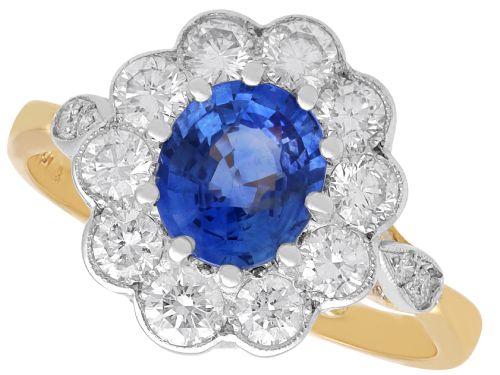
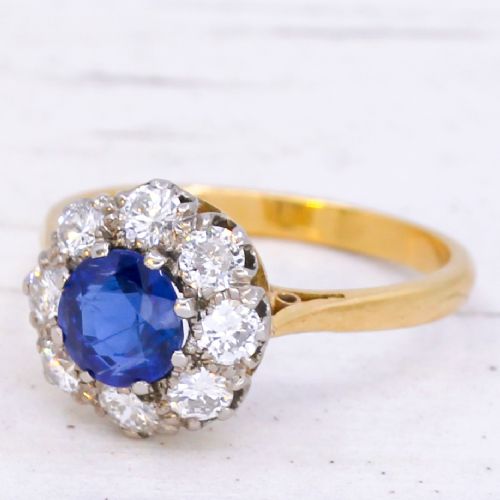
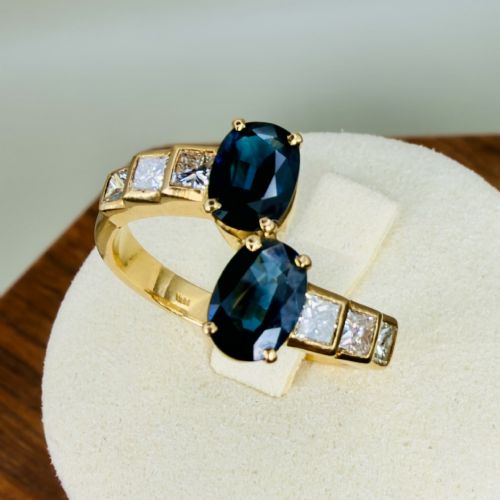
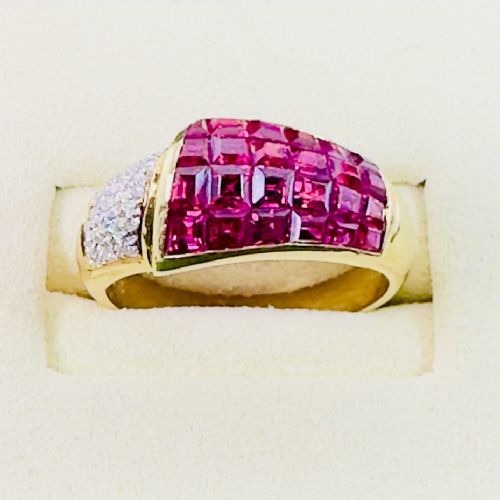
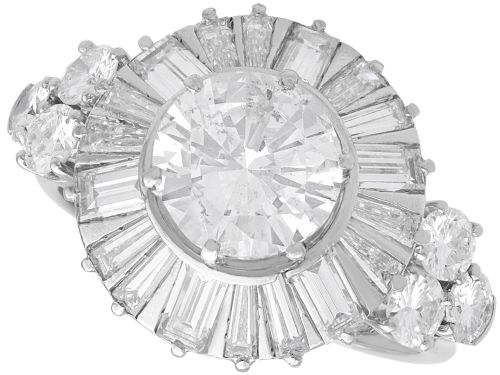
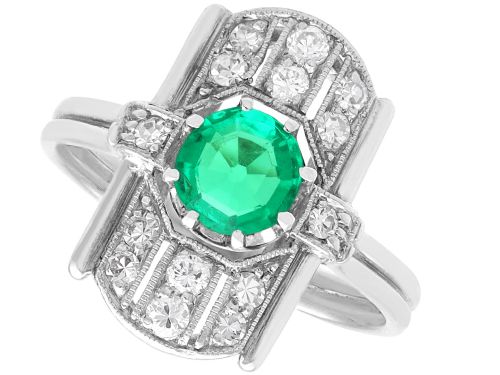
When searching for cluster ring jewellery, buyers encounter a range of forms including traditional circular clusters, geometric Art Deco arrangements, boat-shaped settings, and multi-stone floral motifs. These pieces function primarily as dress rings, cocktail rings, and engagement rings originating from the nineteenth and twentieth centuries.
The most common examples on this page date from the Edwardian era through to the mid-century period, encompassing styles such as Belle Epoque, Art Deco Revival, and contemporary classics. Central stones typically feature diamonds, sapphires, emeralds, and rubies framed by smaller accent stones.
Makers and designers utilised various gold purities alongside platinum to mount these stones securely. Pieces span from delicate Edwardian daisy clusters to heavy mid-century cocktail rings set with substantial gemstones.
Materials and construction methods
Goldsmiths worked extensively in platinum and various grades of gold, including eighteen carat yellow gold, fourteen carat yellow gold, eighteen carat white gold, and eighteen carat rose gold. These precious metals provided the structural strength required to hold intricate arrangements of multiple stones.
Setting techniques relied on precise claw, bezel, and pave methods to position central diamonds, sapphires, rubies, emeralds, and zircons alongside peripheral accent stones. Master jewellers balanced durability with delicate visual presentation, visible in fine Edwardian platinum work and heavier mid-century mountings.
Some antique rings incorporate hidden glass compartments for mourning hair, proving that Victorians brought sentimental feelings to every single finger.
Assessing quality in cluster rings
Quality separates pieces through the selection, matching, and saturation of the central and surrounding gemstones, such as unheated rubies, Burmese rubies, or Colombian emeralds paired with clean diamonds. The visual harmony between the central focal stone and the surrounding halo dictates the overall visual impact of the ring.
The integrity of the metalwork, including the crispness of platinum millegrain detailing or the substantial weight of an eighteen carat gold shank, distinguishes standard production from finer examples. Superior construction ensures that complex multi-stone settings remain secure and balanced on the hand.
Kutchinsky
The Cluster Ring Jewellery Glossary
- Cluster ring
- A ring featuring a prominent central gemstone encircled by a group of smaller accent stones. This arrangement maximises light reflection and perceived visual size.
- Platinum
- A dense, durable white metal utilised extensively in Edwardian and Art Deco jewellery for delicate setting work. Its strength allows for minimal metal visibility around stones.
- Millegrain
- A decorative technique featuring a line of tiny raised metal beads along the edges of a setting. This style is particularly prevalent in Edwardian and Art Deco pieces.
- Old cut
- A diamond facet style associated with antique jewellery predating modern brilliant cuts. These stones exhibit smaller tables and broader facets designed for candlelight.
- Baguette cut
- A step-cut rectangular diamond or gemstone shape often used as side stones in geometric Art Deco jewellery. They provide sharp linear contrast to curved central gems.
Cluster Ring Jewellery: Frequently Asked Questions
What is cluster ring jewellery?
Cluster ring jewellery refers to rings featuring a central gemstone surrounded by smaller stones, creating a concentrated focal point. These designs appeared frequently in Victorian, Edwardian, and Art Deco eras.
They serve as dress rings, engagement rings, and cocktail rings, utilising materials like platinum, yellow gold, and various precious gemstones.
How do I date a cluster ring?
Dating relies on stylistic markers such as geometric platinum settings for Art Deco pieces or intricate millegrain work characteristic of the Edwardian period. Hallmark stamps and metal purities also offer chronological clues.
Heavier gold mountings and specific stone cuts like old-cut diamonds point towards Victorian and early twentieth-century origins.
Which gemstones are used?
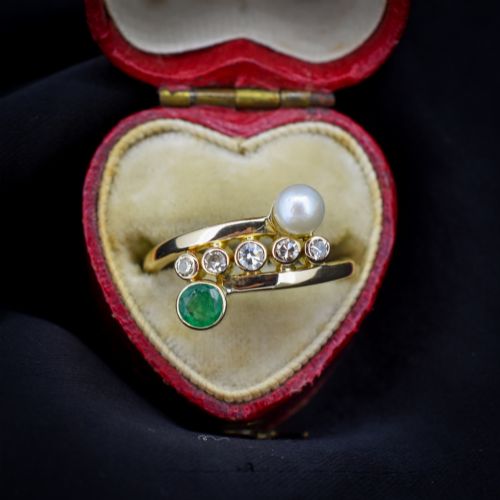
Diamonds form the most common accent stones and frequently serve as central gems alongside sapphires, rubies, and emeralds. Other stones include zircons, amethysts, opals, garnets, and natural pearls.
Origin points for specific gems, such as Colombian emeralds or Burmese rubies, often accompany fine antique examples from the early twentieth century.
How should I wear an antique cluster ring?
These rings function well as standalone statement pieces on the hand due to their distinct visual spread and multi-stone arrangement. Daily wear requires consideration of the softer central stones like emeralds or opals.
Matching them with simple bands allows the complex geometric or floral cluster designs to remain the primary focus.