



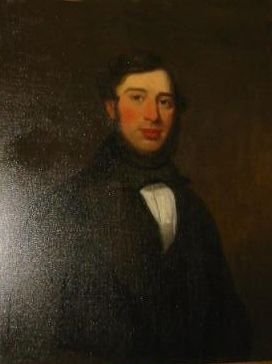


Clerical Portrait Fine Art
Clerical portrait fine art captures churchmen and theologians in oils and pastels across three centuries of serious British and continental craftsmanship.
Clerical Portrait Fine Art
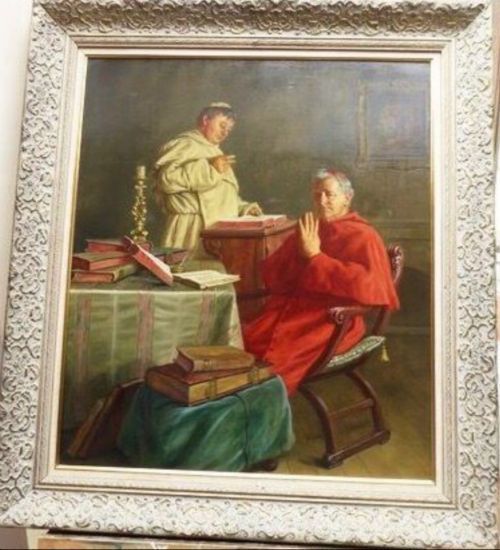
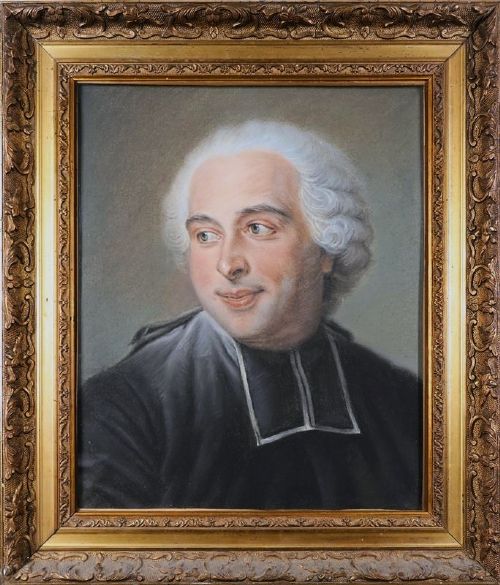
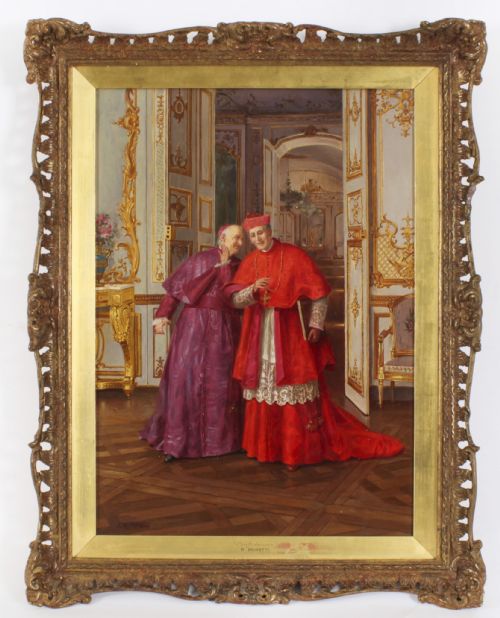
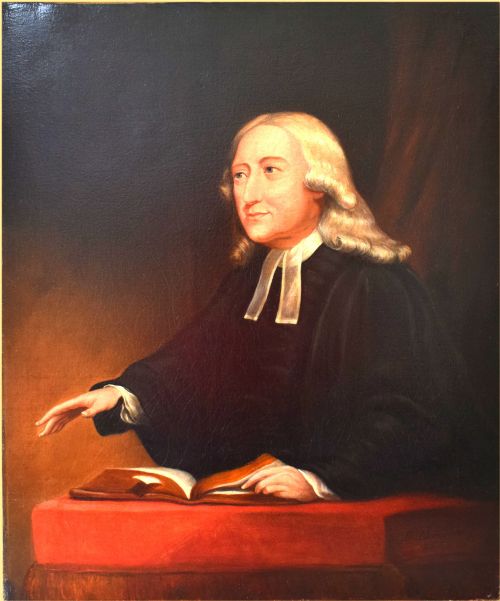
When you search for clerical portrait fine art, you are looking at painted likenesses of ministers, bishops, abbots and theologians whose lives spanned the seventeenth, eighteenth and nineteenth centuries. These works record ecclesiastical figures from various traditions, ranging from English puritans and bishops to French abbés and Spanish theologians.
You are most likely to meet oil paintings on canvas framed in wood and giltwood, though pastel on paper under glass also appears. The subjects wear distinctive clerical bands, robes and academic dress, marking their status within church and university hierarchies.
The pieces on this page draw upon Georgian, Jacobean, Spanish Baroque and 19th Century British and French schools. Each canvas bridges portraiture and ecclesiastical history, presenting individual sitters with specific dates, titles and sometimes inscribed ages.
Materials and technique
Artists painted these subjects primarily in oil on canvas, building deep tones to render heavy clerical vestments and shadowed interiors. Some works utilise pastel on paper, capturing soft facial contours and delicate fabrics under glass.
Makers set these fine art paintings within wood and giltwood frames that provide structure and period character. Inscribed details, signatures and dates often appear directly on the canvas or within the composition to record the sitter's age and identity.
Clerical Portrait Fine Art Retail Price Guide 2026
Typical asking prices for clerical portrait fine art among the pieces listed under this phrase on Sellingantiques today, from the lower quarter to the upper quarter. They describe what is for sale here now, not the wider market.
Represented periods span the 17th century, 18th century and 19th century through various British and continental schools.
Distinctions in quality
The finest examples display confident brushwork that captures the sitter's psychological presence and specific facial bone structure rather than a generic likeness. Strong compositional framing and well-rendered drapery elevate a canvas above standard provincial output.
Documentation strongly influences the standing of a piece, with contemporary inscriptions, identified sitters and known artistic attributions commanding closer study. The preservation of the original canvas and the integrity of the period frame contribute to the overall coherence of the work.
Maurice Quentin de la Tour·Renato Moretti·Alan Ramsay·George Dowdney·John Jackson
The Clerical Portrait Fine Art Glossary
- Oil on canvas
- Pigment suspended in a drying oil applied to a stretched woven fabric support. This primary medium allows for rich tonal blending and enduring depth in historical portraiture.
- Giltwood
- Wood carved and coated with gold leaf or metallic gilt powder. Frames in this material finish and protect the perimeter of fine art paintings.
- Pastel
- A dry medium composed of powdered pigment and a binder, pressed into stick form. Applied to paper, it yields a velvety surface texture requiring protection beneath glass.
- Spanish Baroque
- An artistic style characterised by dramatic lighting, deep shadows and intense realism. Works in this manner emphasise solemnity and emotional weight.
- Jacobean
- The style of art and design associated with the reign of James I. Portraits from this period often feature stiff linear forms and detailed costume rendering.
Clerical Portrait Fine Art: Frequently Asked Questions
What periods do these paintings cover?
The works span from the mid-seventeenth century through the eighteenth century and into the nineteenth century.
This broad chronological range records evolving portrait styles from Jacobean formality to academic realism.
How were these clerical subjects identified?
Sitters are frequently identified through contemporary inscriptions on the canvas, painted cartouches, or accompanying biographical records.
Artists often noted the sitter's age, ecclesiastical title and significant dates directly onto the composition.
What framing do these artworks use?
Many pieces retain period wood and giltwood frames that complement the era of the painting.
These surrounds often feature moulded profiles and gold leaf application appropriate to the century of creation.
Are all the subjects English churchmen?
While many depict figures from the English and British traditions, others originate from French and Spanish schools.
This continental variety introduces abbés and theologians from Catholic backgrounds alongside Protestant ministers and bishops.