




Clear Glass Paperweight
These clear glass paperweight pieces bring brilliant weight and refractive form to the desk, shaped across Victorian, Edwardian, and Art Deco periods.
What these pieces are
A clear glass paperweight takes various forms across the Victorian, Edwardian, and Art Deco periods, functioning primarily as a functional desk object or decorative display piece. The selection here ranges from dense moulded crystal and pressed items to intricate lampwork creations containing internal floral motifs.
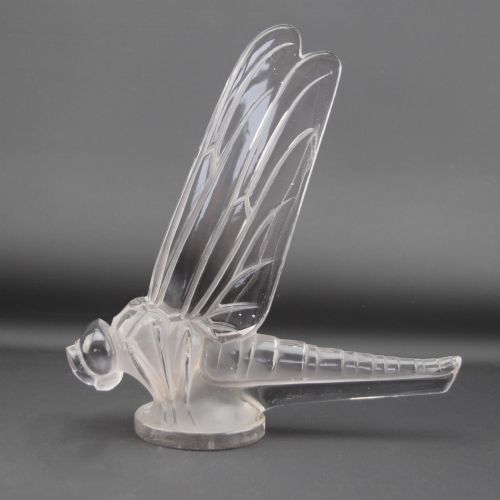
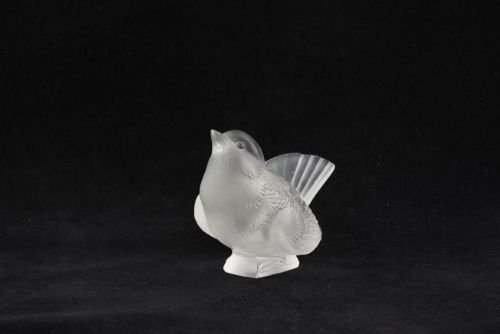
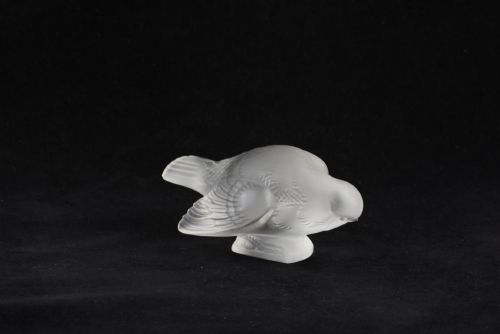
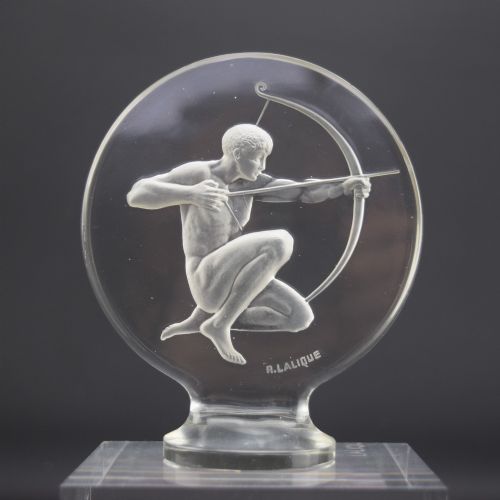
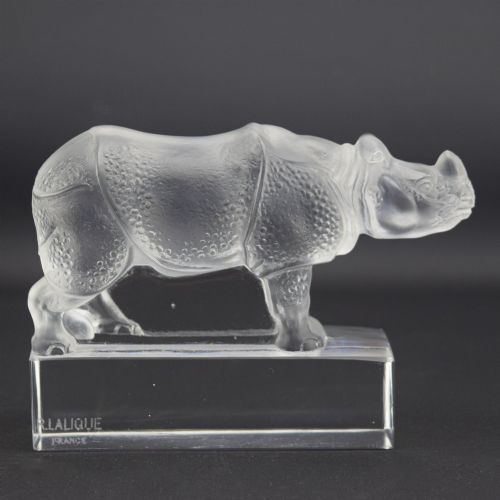
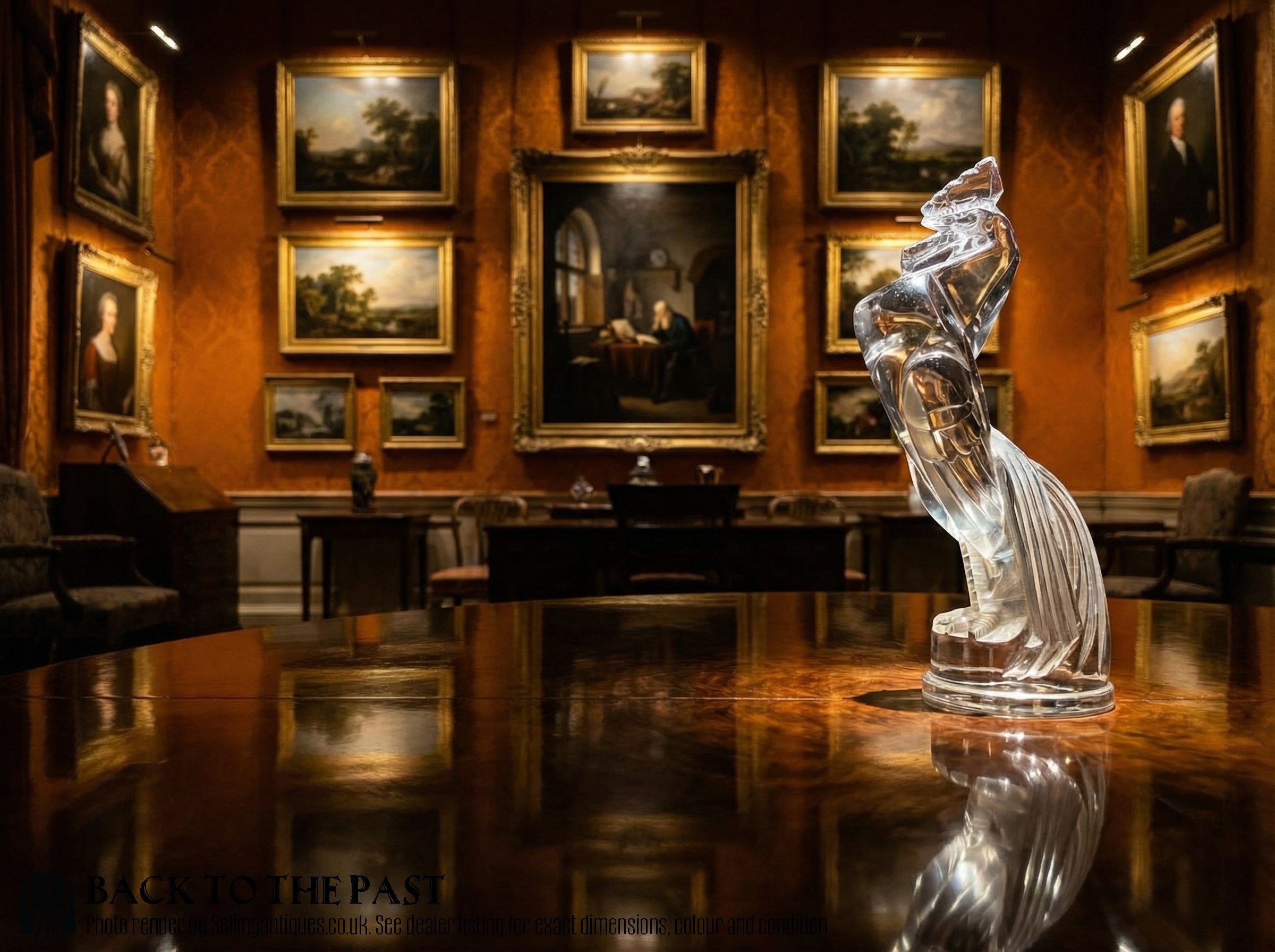
Makers and workshops utilised distinct methods to shape these objects, producing clear glass bodies alongside frosted finishes and brass-mounted combinations. Collectors encounter utilitarian weights as well as sculptural representations, including animal figures and ornamental car mascots repurposed as desk pieces.
The material presentation spans simple transparent lead glass, coloured glass elements encased within clear domes, and sculptural moulded forms. Each item reflects the design priorities of its decade of origin, from mid-nineteenth-century French techniques to twentieth-century modernism.
How they were made
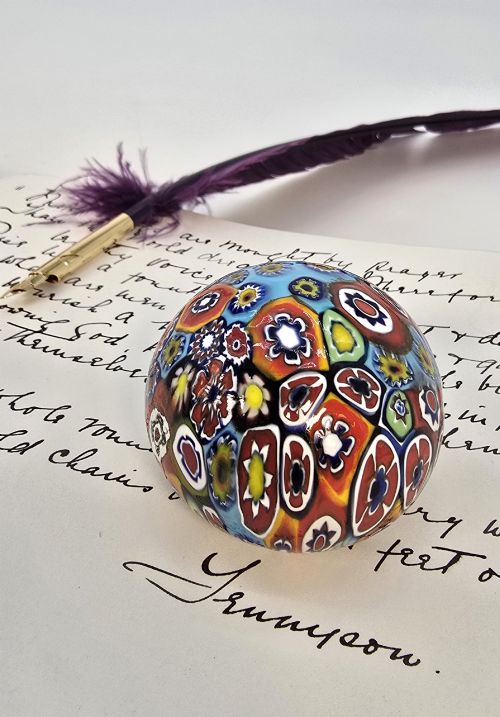
Craftsmen shaped these items using hot glass techniques, pouring or blowing molten material into moulds or gathering it on a pontil iron. The clear glass body was often polished to a high sheen, while specific examples incorporated intricate lampwork elements fused inside the core.
Moulded crystal and frosted glass variants required precise temperature control during annealing to prevent internal stresses. Brass components found on combined desk magnifiers were cast separately and joined mechanically to the heavy glass bases.
Retail Price Guide 2026
Typical UK retail prices for clear glass paperweight, calculated from the Sellingantiques database of over a million retail prices indexed since 2003. This retail price guide relies exclusively on Sellingantiques data; no external sources or auction records are used, so the figures do not describe the wider market.
Some paperweights double as miniature menageries, letting you keep an elephant or a rooster on your paperwork.
What varies in quality
The distinction between standard production items and finer examples rests upon the clarity of the metal and the precision of the finishing. Superior pieces exhibit high optical purity within the clear glass, free from distracting bubbles or internal clouding.
Artistic execution dictates the upper tier of the range, visible in the sharpness of moulded details on sculptural animal forms or the intricate arrangement of internal lampwork canes. The weight and balance of the piece relative to its scale further separate routine utility objects from masterworks.
Baccarat·Rene Lalique
The Clear Glass Paperweight Glossary
- Lampwork glass
- Glass worked over a flame using rods and tubes of coloured glass to create miniature decorative motifs. These elements are then encased within a clear glass dome.
- Moulded crystal
- Glass shaped by pressing molten material into a metal or wooden mould under pressure. This technique allows for sharp exterior relief and consistent production.
- Pontil mark
- The rough scar left on the bottom of a glass object where the pontil rod was attached during manufacture. Finer pieces often show this mark ground and polished smooth.
- Millefiori
- A glasswork technique involving multicolored canes sliced into cross-sections to display floral or geometric patterns. These slices are arranged together inside clear glass.
- Frosted glass
- Glass treated to achieve a matte, non-reflective surface texture by acid etching or sandblasting. This finish highlights sculptural contours.
Frequently Asked Questions
Can these desk objects be used outside the office?
These heavy glass items function effectively as decorative paperweights on writing desks, but they also serve as display objects on bookshelves or windowsills where light passes through the clear material.
Placement near direct, intense heat sources should be avoided to protect the glass from thermal shock and potential cracking.
How do I identify the period of a paperweight?
Examine the base for wear patterns, pontil marks, and manufacturing signatures that indicate the decade of production. Stylistic markers such as Art Deco geometric lines or Victorian floral motifs provide clear clues to the era.
Consulting historical design records helps attribute specific moulded forms and sculptural animal subjects to their original makers.
What is the difference between glass and crystal?
Crystal contains added metallic oxides, typically lead oxide, which increases the weight, refractive index, and brilliance of the material compared to standard glass. This composition allows for deeper light dispersion.
Items described as clear glass may lack these specific mineral additions while still offering solid weight and transparency for desk use.