




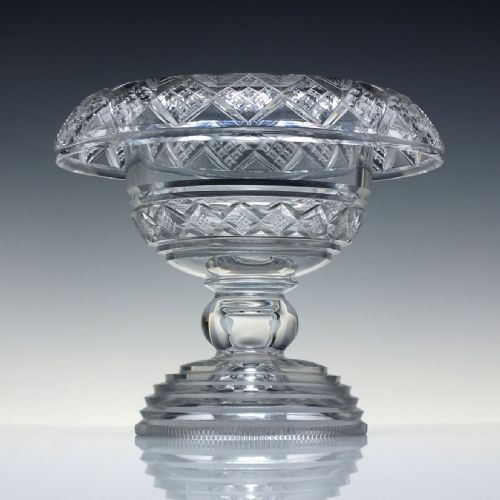


Clear Glass Compote
These clear glass compote pieces are elevated serving vessels designed to display fruit or sweets with light and height, drawing the eye across a dining table.
Clear Glass Compote
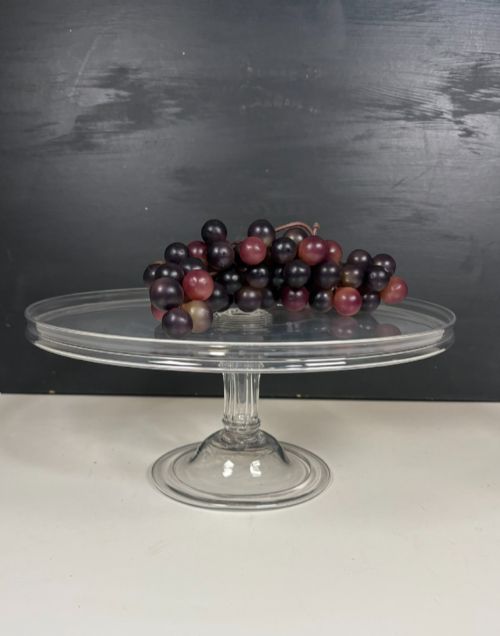
A clear glass compote takes the form of a pedestal bowl or tazza, lifting fruit and sweetmeats above the surface of the table. You will frequently encounter heavy Victorian and Edwardian examples alongside earlier Georgian standing bowls.
The assortment spans diverse decorative bowls and centrepiece bowls, featuring raised rims and footed bases. Pieces range from nineteenth-century moulded and cut designs up to twentieth-century production.
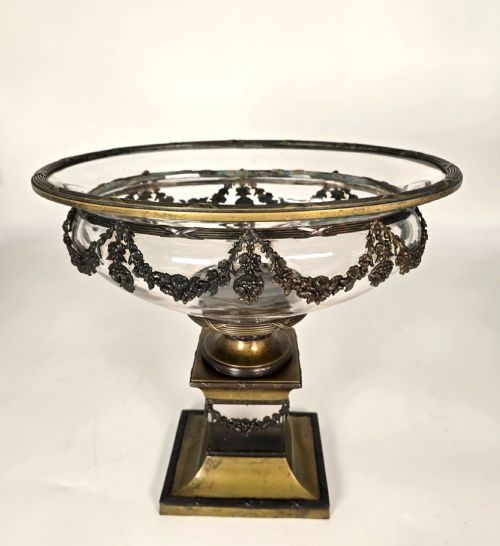
Origins stretch across English, Irish and French workshops, encompassing traditional Irish crystal alongside continental bronze-mounted fruit bowls. The primary function remains the presentation of table fruit and decorative display.
Materials and technique
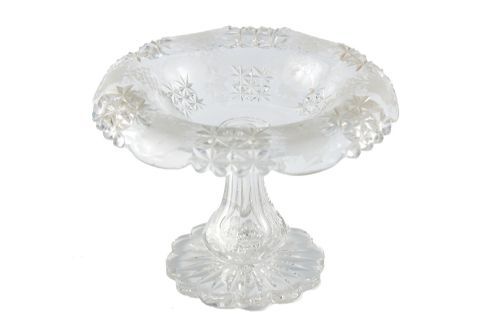
Makers utilised lead crystal, cut glass and hand-blown clear glass to achieve brilliance and weight in each pedestal bowl. Wheel-cutting, hobnail patterns and moulding created deep facets that catch the ambient light.
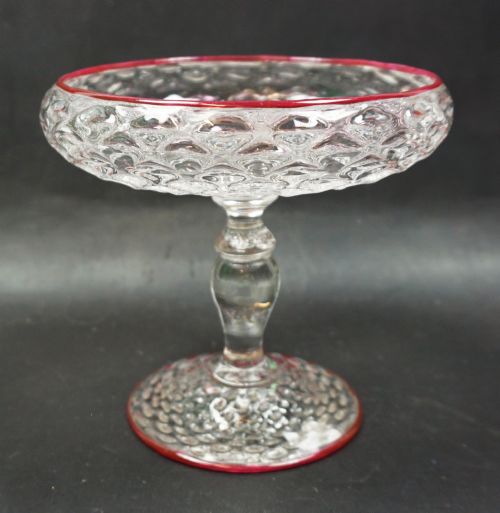
Some examples incorporate gilt bronze or brass mounts, marrying metalwork with heavy glass vessels. Etched decoration and applied red cane or yellow over crystal treatments introduce added colour and texture to the surface.
Clear Glass Compote Retail Price Guide 2026
Typical asking prices for clear glass compote among the pieces listed under this phrase on Sellingantiques today, from the lower quarter to the upper quarter. They describe what is for sale here now, not the wider market.
Materials recorded across the inventory include lead crystal, cut glass, gilt bronze, brass and cranberry glass.
Defining quality
The distinction between standard domestic wares and superior centrepieces rests upon the depth and crispness of the cutting. Sharp facets, heavy lead content and balanced proportions separate ambitious works from simpler moulded items.
Consideration must also be given to the integration of mounts and the clarity of the metal. Exceptional examples display meticulous hand-finishing on both the glass bowl and its supporting pedestal or foot.
Graystan·Waterford
The Clear Glass Compote Glossary
- Compote
- An elevated bowl used for serving fruit, compotes or sweetmeats at the table. This term often interchanges with comport.
- Tazza
- A shallow bowl or plate mounted on a pedestal foot, originating in the Renaissance. These pieces serve primarily for display or presenting desserts.
- Hobnail
- A decorative glass-cutting pattern featuring rows of small, pointed projections resembling hobnails on a boot. It creates a highly tactile surface.
- Turnover bowl
- A vessel with a rim folded or turned over during the hot-working process to create a shaped edge. This technique requires considerable skill at the glasshouse chair.
Clear Glass Compote: Frequently Asked Questions
What is a clear glass compote?
A clear glass compote is an elevated pedestal bowl used historically for serving fruit, compotes or sweetmeats. These pieces combine height and transparency to brighten a table setting.
They appear in various forms, including tazza designs and large centrepiece bowls from the Georgian, Victorian and Edwardian eras.
How were these bowls used?
These vessels stood at the centre of dining tables to hold fresh fruit, nuts or confectionary during formal meals. Their raised height allowed dishes to pass beneath them while adding vertical interest to the tablescape.
Over time, many transitioned into pure decorative objects displayed on sideboards or mantelpieces.
How do I date a compote?
Dating relies upon examining the weight, cutting style, pontil mark on the base and the composition of the glass itself. Earlier Georgian and Regency pieces often exhibit heavy lead crystal with hand-blown irregularities.
Victorian and Edwardian examples tend to show sharper, more uniform machine or deep wheel-cutting, alongside specific decorative motifs like hobnails or etched foliage.
How do I style a compote?
A compote suits placement on a dining table, side table or cabinet where natural light can pass through the clear or coloured glass. You can fill it with seasonal fruit, glass ornaments or leave it empty to showcase the cut patterns.
Pairing pedestals of different heights creates a balanced arrangement across a surface.