






Clear Glass Apothecary
Clear glass apothecary pieces are functional vessels and scientific instruments from past centuries that bring utilitarian elegance to modern interiors.
Clear Glass Apothecary
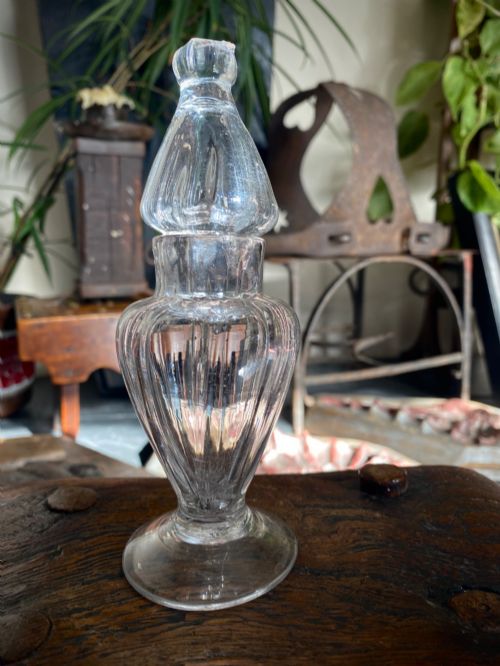
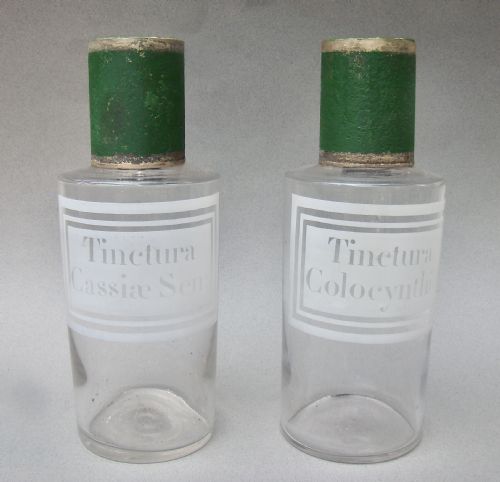
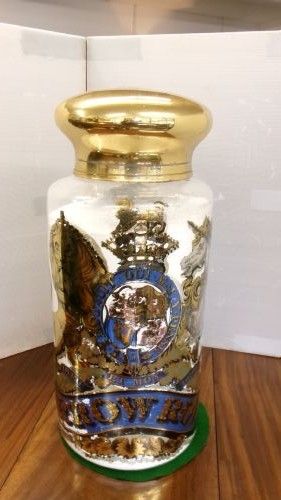
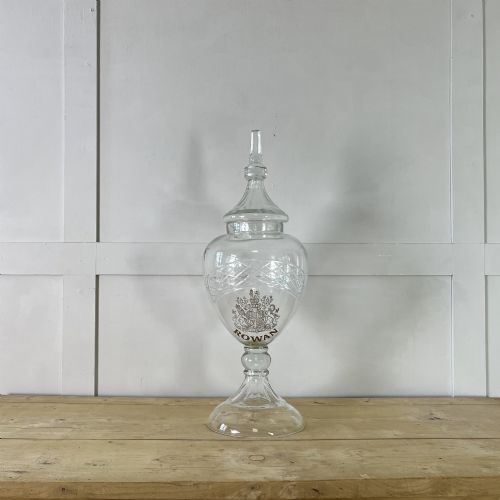
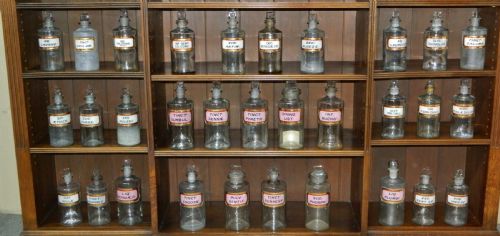
A clear glass apothecary search encompasses storage jars, tincture bottles, display containers, and medicine glasses originating from the Georgian, Victorian, and Edwardian eras. Buyers encounter various forms designed for chemists and pharmacies, including large display jars with covers and matched sets of smaller dispensing bottles.
The objects span practical laboratory equipment and counter storage, featuring pieces shaped for specific substances like arrowroot and gelatine. Many items retain their original lids or stoppers, while others survive as individual vessels or multi-piece sets.
Origins stretch across English and French workshops of the nineteenth and early twentieth centuries. These vessels reflect the daily operations of historical dispensaries, apothecary shops, and scientific practices.
Materials and construction
Makers utilised clear glass and lead crystal, shaping vessels through blowing and cutting techniques. Surface decoration often includes cut glass patterns, gold leaf labelling, etched designs, and painted paper markers.
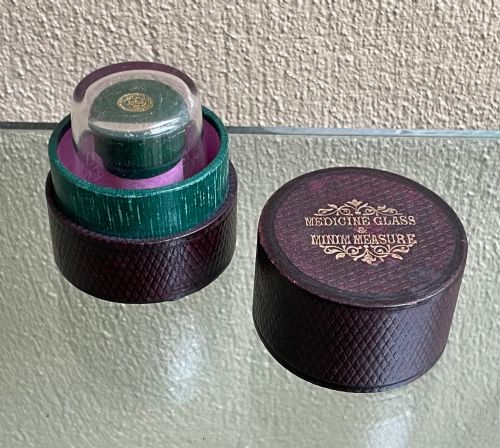
Some portable items incorporate supplementary materials such as brass, leather cases, and specialised measuring gradations. Lidded jars and bottles rely on precise glass-forming methods to achieve matching covers and stoppers.
Clear Glass Apothecary Retail Price Guide 2026
Typical asking prices for clear glass apothecary among the pieces listed under this phrase on Sellingantiques today, from the lower quarter to the upper quarter. They describe what is for sale here now, not the wider market.
One tiny nineteenth-century medicine glass travels inside its own dedicated leather case, ready for a Victorian headache on the move.
Assessing the pieces
Quality rests in the clarity of the material and the crispness of any cut glass facets or etched details. Heavier lead crystal examples and large display jars with undamaged original covers demonstrate superior production.
Survival of associated elements like fitted leather cases, original paper labels, and complete sets elevates certain pieces above standard single bottles. The sophistication of the glass form and the precision of nineteenth-century manufacture distinguish finer examples.
The Clear Glass Apothecary Glossary
- Apothecary jar
- A vessel used historically to store medicinal herbs, chemicals, or preparations in a chemist shop. These containers typically feature a fitted lid and prominent display presence.
- Tincture bottle
- A small glass bottle designed to hold liquid herbal extracts dissolved in alcohol. Such bottles frequently appear in matched sets.
- Carboy
- A large, bulbous glass vessel used for holding corrosive liquids or large volumes of distilled water. These substantial containers often sat on shop floors or counters.
- Lead crystal
- A type of glass containing metallic oxide to increase brilliance, weight, and clarity. Cut glass apothecary pieces often utilise this heavier material.
- Medicine glass
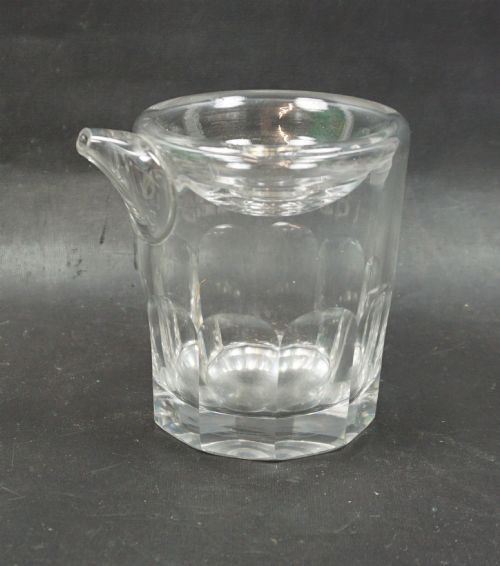
- A small graduated glass vessel used for measuring liquid doses of medicine. These items date primarily from the Victorian era and sometimes retain leather cases.
Clear Glass Apothecary: Frequently Asked Questions
What were clear glass apothecary jars used for?
Apothecary jars and bottles held dry drugs, herbs, chemicals, and liquid tinctures in nineteenth-century pharmacies and dispensaries.
Larger vessels sat on shelves for display and bulk storage, while smaller bottles kept specific remedies ready for dispensing.
How do I date a clear glass apothecary bottle?
Dating relies on stylistic clues, manufacturing marks, and associated materials like paper labels or fitted leather cases.
Pieces span the Georgian, Victorian, and Edwardian periods, each showing distinct glass clarity, cutting styles, and vessel proportions.
Are apothecary jars and bottles sold with lids?
Many larger display jars and storage vessels survive with their original matching glass covers or stoppers.
Some smaller bottles and medical measures survive independently or within fitted protective cases rather than possessing standard lids.
How can I display apothecary glass at home?
Clear glass apothecary items suit placement on shelves, windowsills, or mantelpieces where natural light can pass through the glass.
Sets of bottles or large display jars can stand alone as sculptural objects or house contemporary dried botanicals.