




Clear Bevelled Wall Mirror
These clear bevelled wall mirror pieces combine reflective glass with period craftsmanship, bringing light and depth to any room.
Clear Bevelled Wall Mirror
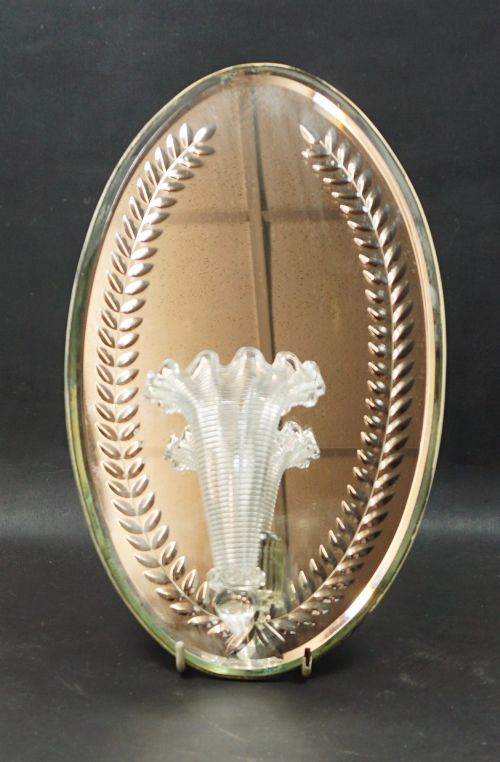
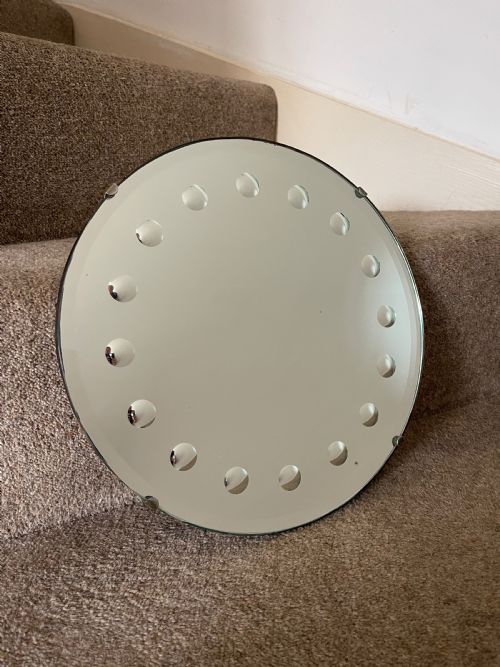
A clear bevelled wall mirror offers a functional surface and a decorative focus, catching the light in a hallway or above a fireplace. The examples found here span several decades, ranging from late Victorian pieces to Art Deco designs.
Buyers are most likely to encounter Venetian styles and Art Deco circular plates within this specific group. Each piece relies on the interplay of angled edges and reflective surfaces to define its character.
How They Were Made
The construction of these items relies on glass, mirrored glass, and silvered glass plates set into wood or metal frames. Some pieces utilise brass for structural fittings or decorative detailing.
Makers shaped the glass plates by grinding down the outer edges to create the characteristic bevel. Engraving and etching techniques were also applied directly to the surface on specific regional variations.
Clear Bevelled Wall Mirror Retail Price Guide 2026
Typical asking prices for clear bevelled wall mirror among the pieces listed under this phrase on Sellingantiques today, from the lower quarter to the upper quarter. They describe what is for sale here now, not the wider market.
One listed item is simply described as a sorcerer type mirror, bringing a touch of antique mystery to the collection.
What Varies in Quality
Quality rests upon the execution of the bevelling and the integrity of the original plate. Finer examples show crisp edge angles and clear reflection across the entire glass surface.
The presence of original fittings and authentic period framing distinguishes superior items from later adaptations. The depth of engraving on Venetian plates also separates standard production from finer work.
The Clear Bevelled Wall Mirror Glossary
- Bevel
- An angled edge ground along the perimeter of the mirror plate. This technique catches the light and frames the reflection.
- Foxed
- Aged deterioration within the silvering of the glass, creating dark spots and a characteristic mottled appearance. It occurs naturally over time.
- Overmantle
- A large mirror designed to hang specifically above a fireplace mantel. These pieces often feature horizontal proportions.
- Cushion mirror
- A frame style with outward sloping panels surrounding the central plate. Venetian examples frequently utilise this volumetric form.
- Mirror plate
- The flat reflective sheet of glass itself. Period plates often display distinct thickness and hand-finished qualities.
Clear Bevelled Wall Mirror: Frequently Asked Questions
How do I hang a heavy wall mirror safely?
Ensure the wall fixings match the weight of the frame and the mirror plate. Utilise sturdy wall anchors or brackets secured directly into structural studs.
Check that the original wire or hanging loops on the back are secure before mounting. Enlist a second person to support the glass during placement.
What is a foxed mirror plate?
A foxed mirror plate exhibits natural degradation of the silver backing behind the glass. This chemical ageing creates atmospheric dark spots and patches.
Many collectors value this characteristic because it proves the age of the glass. It softens the reflection rather than offering a modern, clinical view.
How do I clean antique mirror glass?
Use a soft microfiber cloth and a mild, ammonia-free cleaning solution. Spray the cloth rather than the glass to prevent moisture seeping behind the edges.
Avoid harsh commercial chemicals that can damage aged silvering or wooden frames. Gently wipe the surface to remove dust without applying heavy pressure.
Can these mirrors go in a bathroom?
Humidity and moisture can accelerate the degradation of original silver backing and foxing. Placing them in damp environments risks harming the historical materials.
Dry rooms such as hallways, living areas, and bedrooms suit these period pieces best. Keep them away from direct water sources and steam.