



Claw Set Gemstone Ring
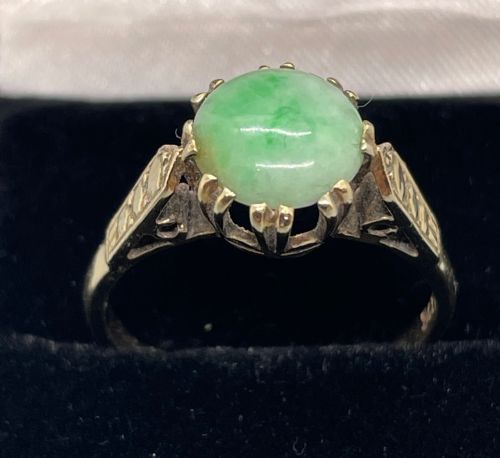
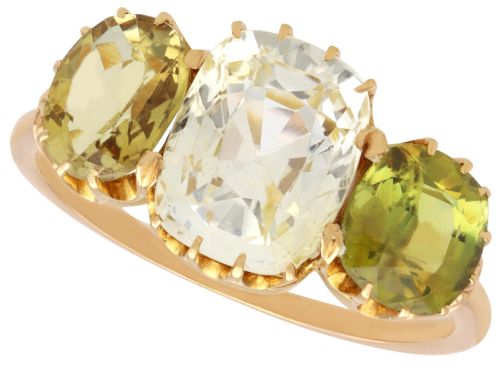
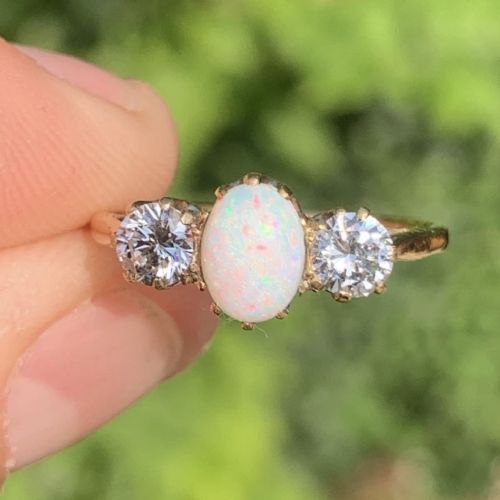
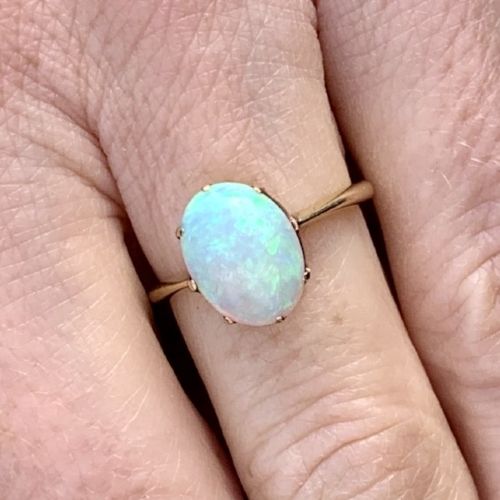
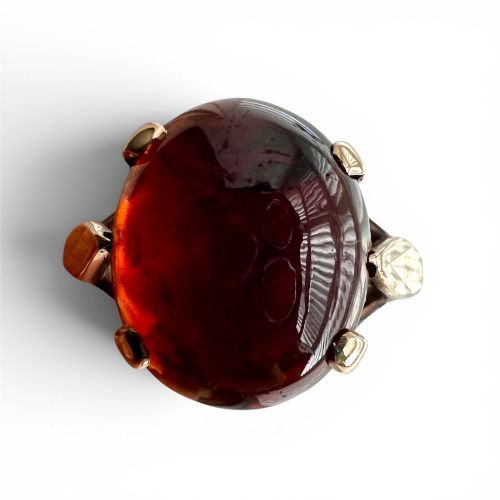
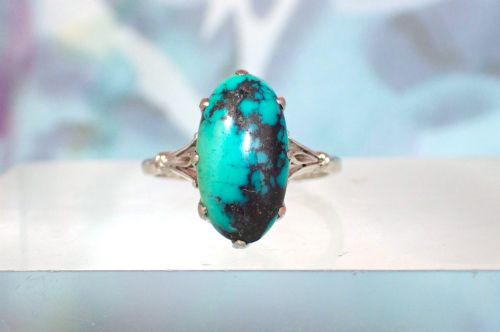
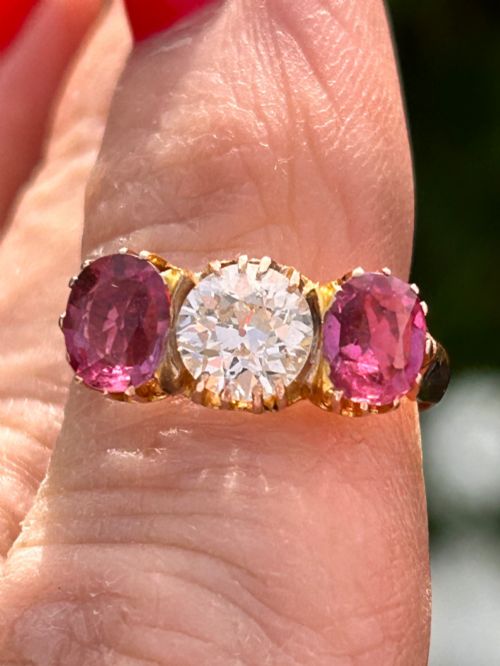
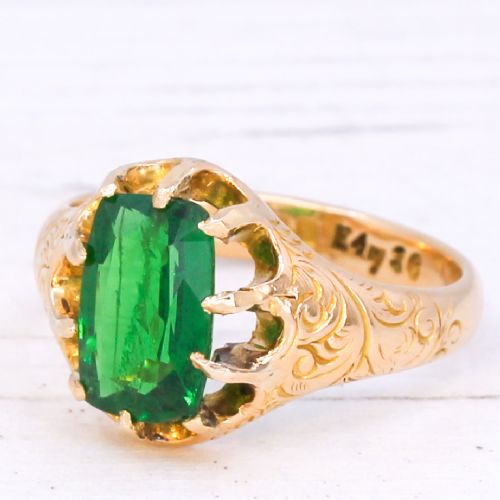
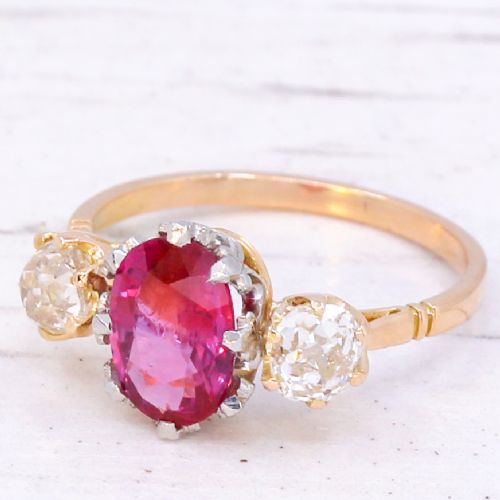
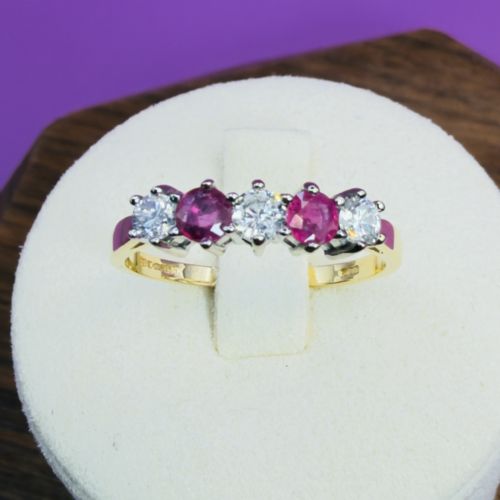
A claw set gemstone ring secures a precious stone using delicate metal prongs, letting light flood through the facets.
Claw Set Gemstone Ring
A claw set gemstone ring displays a central stone held aloft by metal prongs, maximising the passage of light compared to enclosed settings. You will encounter various iterations spanning Victorian, Edwardian, and Art Deco periods, alongside mid-century and later vintage designs.
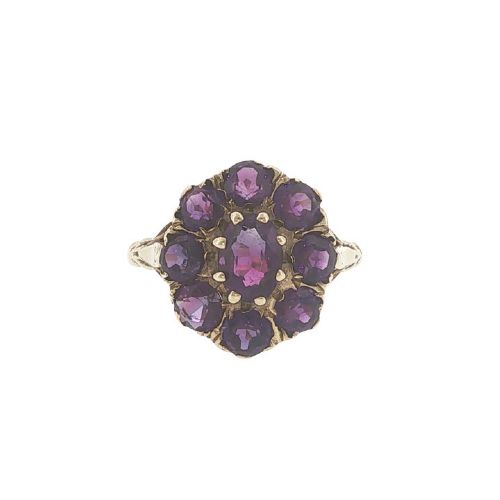
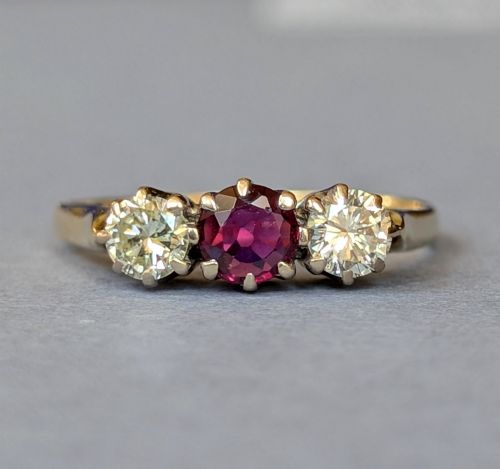
The selections range from single-stone solitaires and classic trilogy layouts to clustered arrangements and half eternity bands. Gemstones such as ruby, sapphire, diamond, amethyst, and garnet dominate the forms available.
Materials and construction
Goldsmiths utilised metals including 9ct gold, 18ct gold, 22ct gold, and platinum to fabricate the structural mounts. Precious stones were shaped into round, oval, heart, and baguettes cuts before being secured by hand-formed prongs.
The technique relies on individual metal claws folded precisely over the girdle of the gemstone to anchor it firmly. This open metalwork permits maximum illumination to enter the pavilion of the stone.
Claw Set Gemstone Ring Retail Price Guide 2026
Typical asking prices for claw set gemstone ring among the pieces listed under this phrase on Sellingantiques today, from the lower quarter to the upper quarter. They describe what is for sale here now, not the wider market.
The listings feature rings spanning the Victorian, Edwardian, and Art Deco eras through to mid-century and later vintage decades.
Distinguishing quality in gemstone rings
The grade depends upon the natural origin, clarity, and saturation of the central gemstone, alongside the weight and purity of the precious metal mount. Heavier gold and platinum settings provide superior durability and structural integrity.
Fine craftsmanship shows in the symmetry and equal spacing of the individual claws holding the gem. Original hallmarks and period-specific cutting styles add considerable weight to an piece's integrity.
The Claw Set Gemstone Ring Glossary
- Claw setting
- A mounting style where small metal prongs hold a gemstone in place. This method exposes the pavilion and sides of the stone to light.
- Solitaire
- A ring featuring a single gemstone as the main focal point. Most commonly seen with diamonds, sapphires, and amethysts.
- Trilogy
- A ring design incorporating three stones set side by side. These traditionally represent the past, present, and future.
- Pavilion
- The lower portion of a cut gemstone below the girdle. In claw settings, this part remains visible from the side.
- Cabochon
- A gemstone shaped and polished with a smooth convex surface rather than faceted. Frequently seen on garnet and jade rings.
Claw Set Gemstone Ring: Frequently Asked Questions
How do I clean a claw set ring?
Wash the piece gently using warm soapy water and a soft brush to remove oils trapped beneath the stone.
Avoid harsh chemical dips that might damage softer gems like opals or turquoise held within the prongs.
Are these rings suitable for daily wear?
Sturdier mountings in 18ct gold or platinum with harder stones withstand everyday use well.
Prongs require periodic checks by a jeweller to ensure the metal remains tight against the gemstone.
How do I identify the period of my ring?
Examine the metal hallmarks, shank shape, and stone cut to determine the likely era of manufacture.
Art Deco examples often display geometric lines, whereas Victorian pieces favour rich yellow gold and cluster layouts.
What is the difference between a cluster and a solitaire?
A solitaire centres upon one single gemstone held securely by the metal prongs.
A cluster arranges multiple smaller stones around a central focal point or in a compact decorative grouping.