
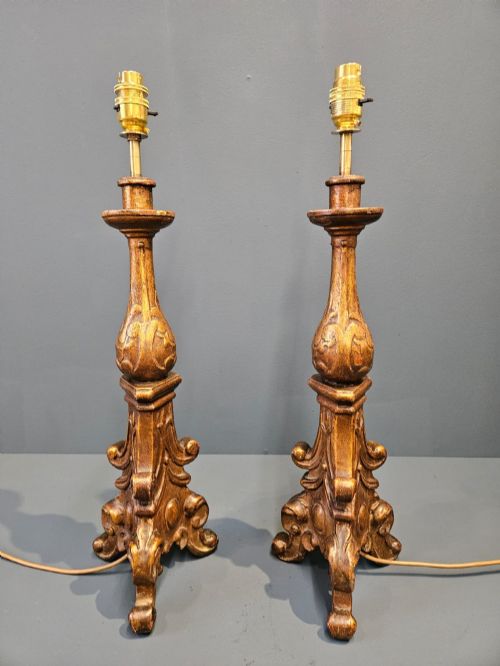


Classical Wooden Column
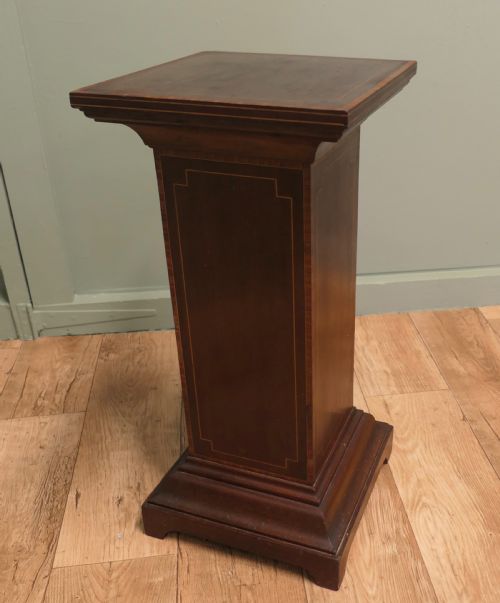
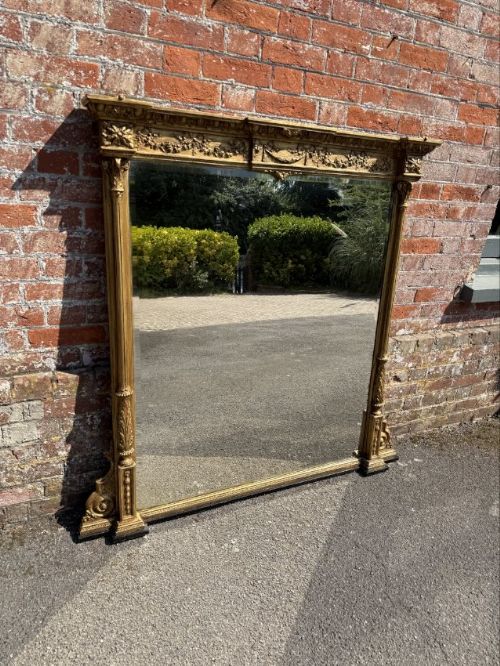
A classical wooden column brings architectural order to a room, functioning as a display pedestal, lamp, or mirror frame.
Classical Wooden Column
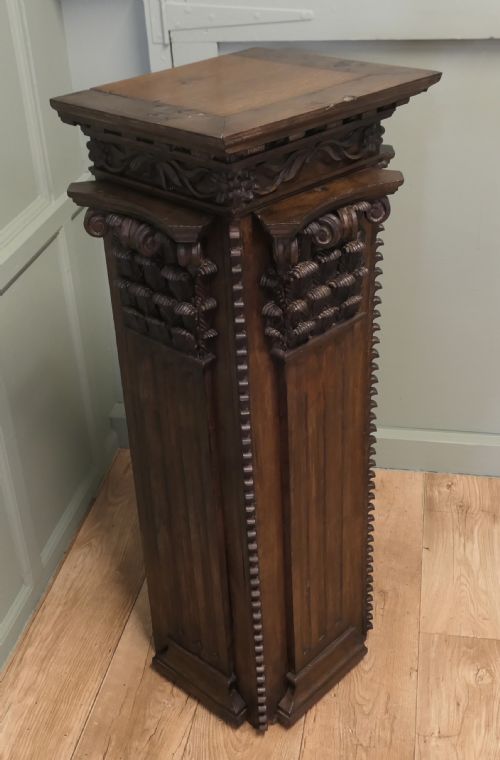
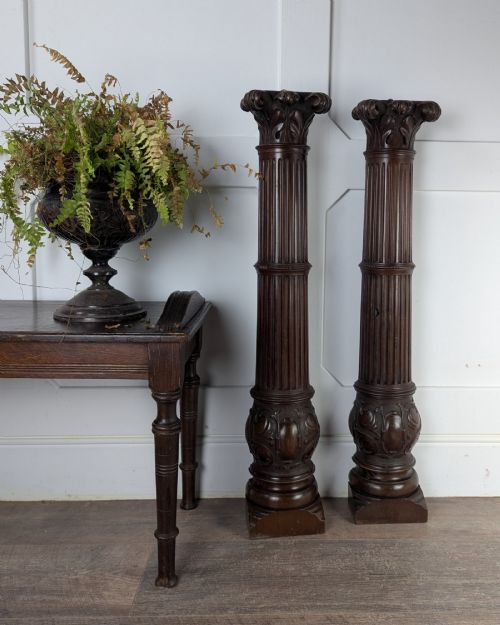
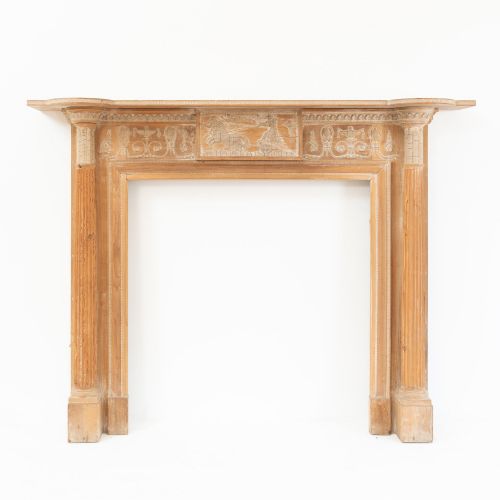
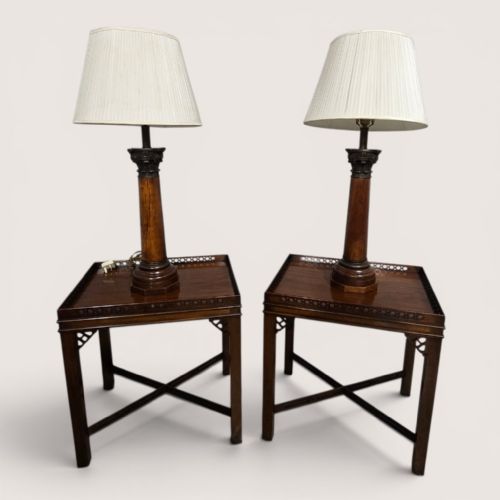
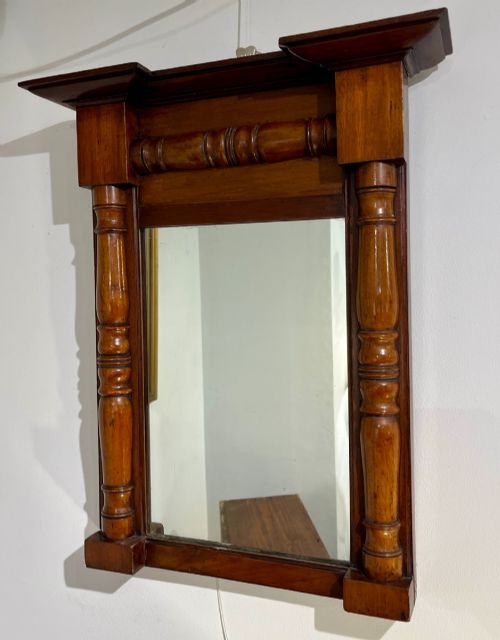
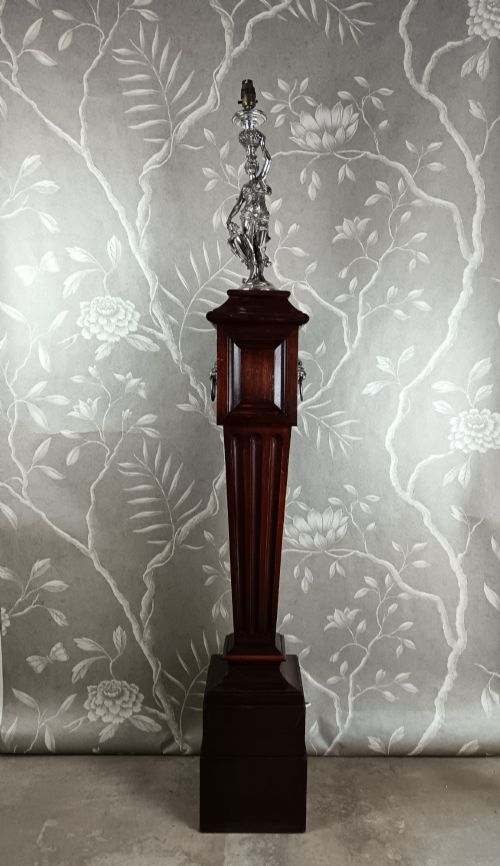
A classical wooden column takes several forms on this page, appearing as standalone display pedestals, torchere stands, architectural salvage, and carved pillar elements integrated into mirrors or lamps. Most pieces originate from the nineteenth century, with Victorian examples and twentieth-century revivals appearing frequently among the inventory.
The selection ranges from tall floor-standing columns designed to hold sculpture to half-columns, architectural capitals, and turned wooden pillars. Makers applied these classical motifs across diverse objects, meaning a buyer finds everything from plain mahogany shafts to ornate giltwood and painted display stands.
How they were made
Craftsmen built these columns using solid timbers such as mahogany, oak, walnut, birch, and pine, frequently applying gesso, gold leaf, or paint finishes over the wood base. Many surfaces feature simulated faux finishes to mimic marble, while others rely on exposed grain or parcel-gilt highlights.
Carpenters turned cylindrical or spiral pillars on lathes and hand-carved decorative elements like Corinthian and Ionic capitals. Brass fittings, glass mirrors, and stone bases occasionally supplement the timber structure, particularly on lamps, torchere stands, and composite architectural pieces.
Listings feature woods including mahogany, oak, walnut, birch, satinwood, and pine, often finished with paint, gesso, and gold leaf.
What varies in quality
Quality depends upon the crispness of the hand-carved detail in the capitals and the depth of the timber mouldings. Finely chiselled acanthus leaves and well-proportioned fluting separate superior architectural pieces from simpler turned utility shafts.
The integrity of the original surface finish dictates visual success, distinguishing genuine period paint, gilding, or polished wood from later interventions. Solid timber construction and balanced proportions ensure stability in tall display columns and floor lamps.
WMF
The Classical Wooden Column Glossary
- Corinthian
- An order of classical architecture characterised by ornate capitals decorated with rows of acanthus leaves. This style appears frequently on carved wooden columns and torchere stands.
- Torchere
- A tall stand or floor lamp designed to hold a light source or display an object at height. These wooden supports often incorporate classical fluting and capitals.
- Gesso
- A plaster-like mixture applied to wood surfaces as a smooth base for gilding and painting. It allows craftsmen to model intricate relief ornamentation.
- Pier mirror
- A tall wall glass designed to hang on the narrow pier of wall between windows, frequently mounted above a matching wooden console or column base.
- Capital
- The uppermost member of a column, serving as a decorative crown above the vertical shaft. Carved wooden capitals follow classical orders such as Ionic and Corinthian.
Classical Wooden Column: Frequently Asked Questions
What were classical wooden columns used for historically?
Historically, these columns served as architectural supports in buildings or acted as pedestals to elevate urns, sculptures, and lamps within grand interiors.
Over time, craftsmen adapted the column form into freestanding display stands, torchere lamps, and decorative mirror frames for domestic rooms.
How do I choose the right height for a display pedestal?
Consider the scale of the object you intend to place on top and the ceiling height of your room. Taller columns suit larger sculptures or corners, while shorter pedestals work well for table lamps and smaller display items.
Are these columns solid wood or veneer?
The listings include a mixture of solid timbers such as mahogany, oak, and pine, alongside pieces featuring decorative wood veneers and applied gesso ornamentation.
Surfaces are frequently finished with polish, paint, or gold leaf to enhance the grain or create simulated marble effects.
How do I style a classical column in a modern interior?
A standalone wooden column acts as a strong focal point when used to display art, plants, or lighting without crowding floor space.
Pairing architectural salvage pieces or half-columns against plain walls adds texture and traditional structure to contemporary rooms.
How do I tell a Victorian column from an 18th-century piece?
Eighteenth-century examples often display restrained Georgian proportions and hand-carved details associated with early Neoclassical or Italian walnut furniture.
Victorian and later revival pieces frequently exhibit heavier proportions, steam-turned spiral pillars, and bolder painted or gilded finishes.