


Classical Silver Lamp
A classical silver lamp brings ancient architectural lines and bright reflective surfaces into a room, offering both focused illumination and formal presence.
Classical Silver Lamp
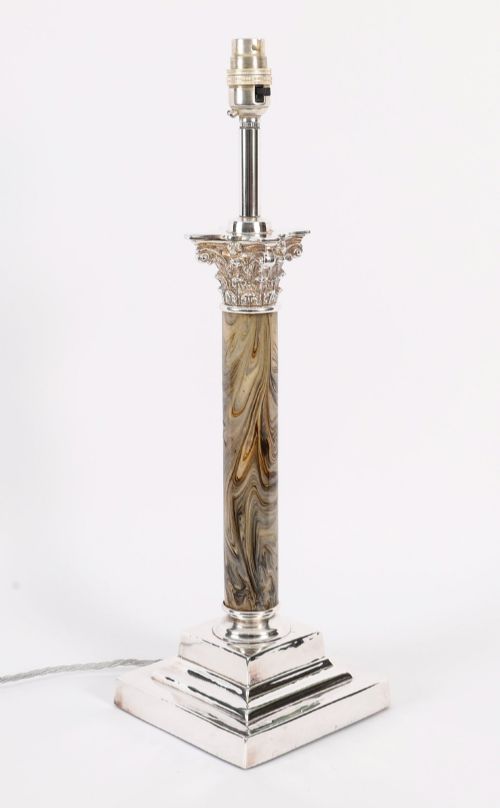
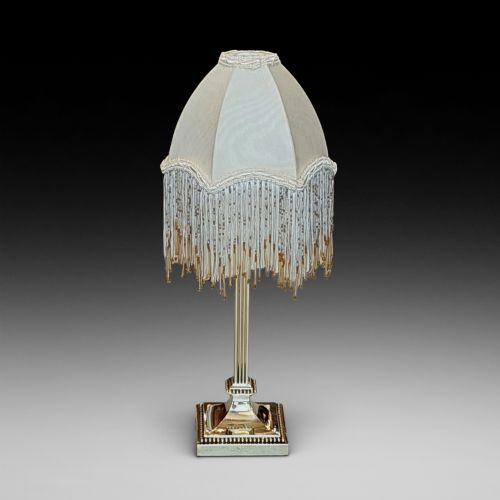
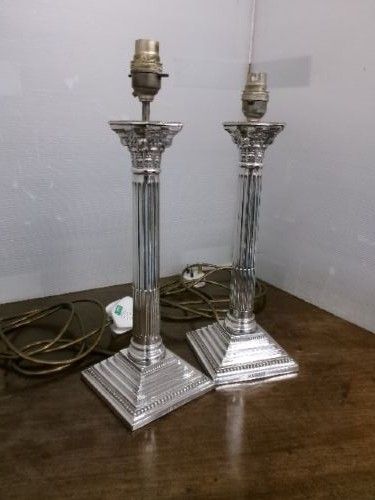
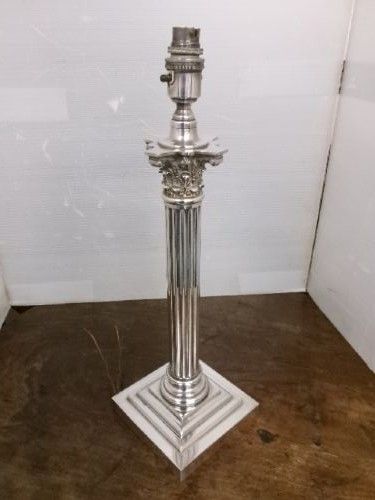
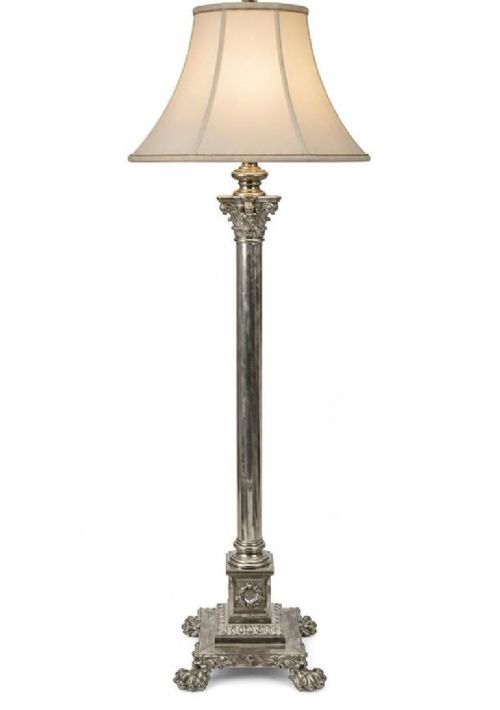
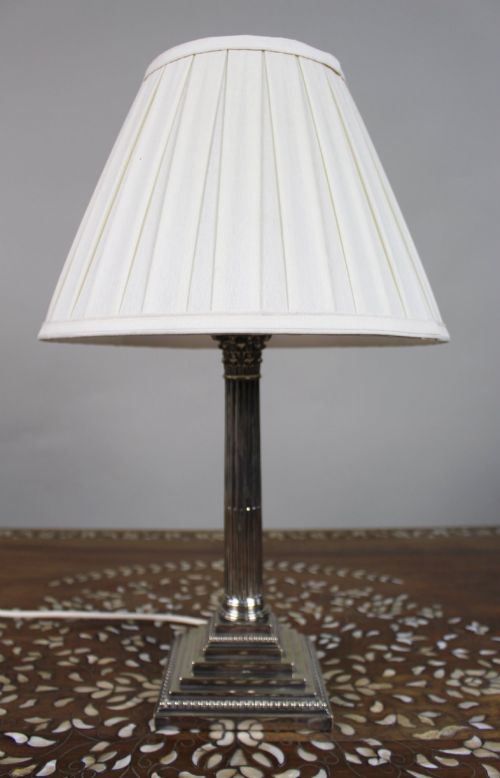
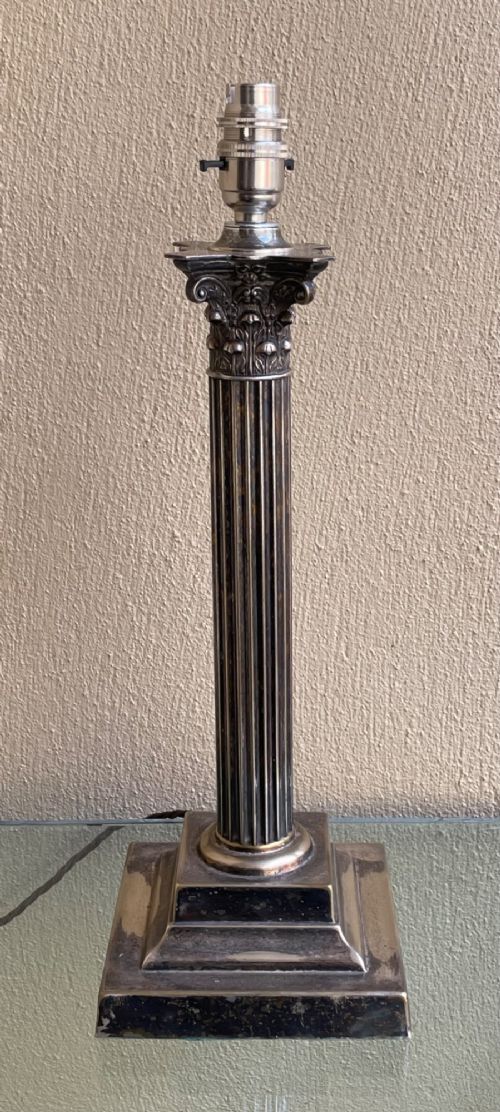
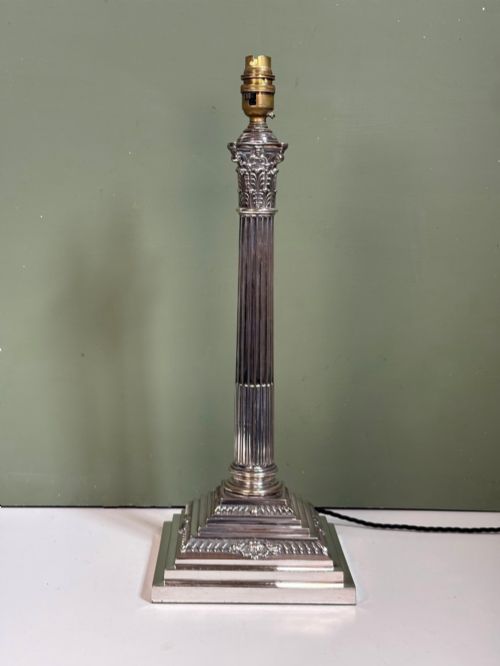
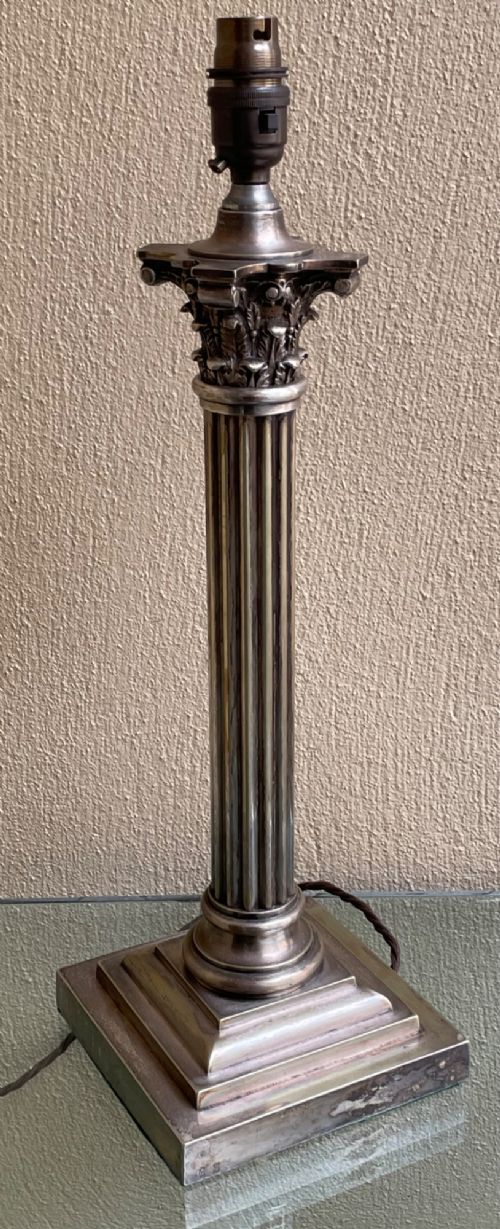
A classical silver lamp takes the form of table lamps, wall lights, and floor-standing standard lamps derived from ancient architectural vocabulary. The most common version you will encounter on this page is the silver plated Corinthian column, standing on a square stepped base with lion's paw feet or beaded enrichment.
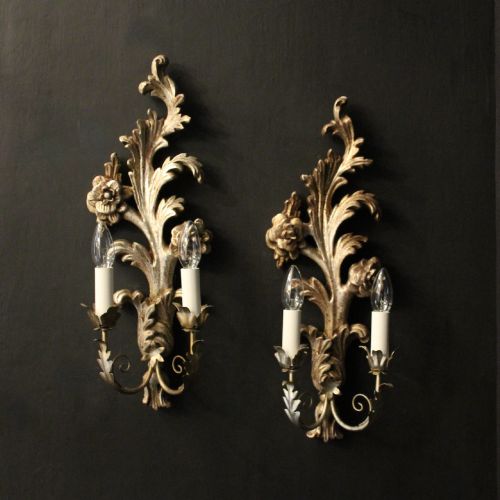
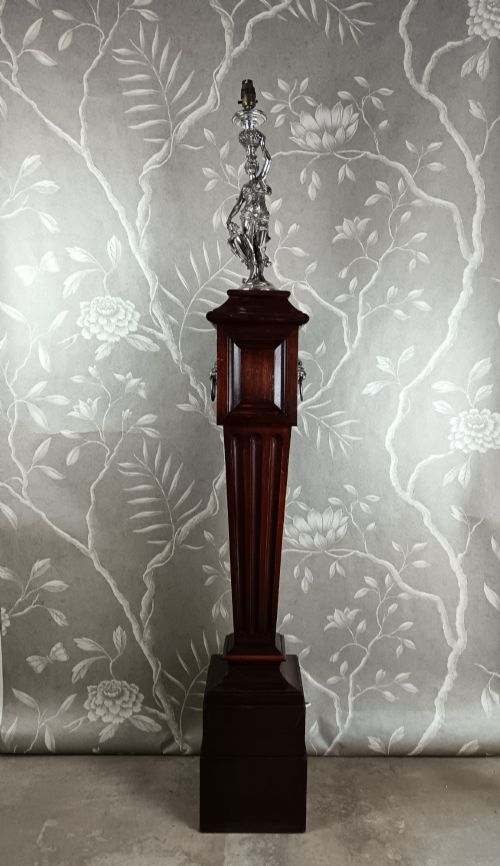
Makers and manufacturers also turned to ancient oil lamps for inspiration, producing sterling silver and silver plated table lighters shaped like classical vessels with handle and nozzle. Alongside these standard lighting forms appear figural torchere floor lamps and wall sconces drawing on neoclassical revival taste.
The objects span the Victorian, Edwardian, and early twentieth-century periods, showing how nineteenth-century historicism persisted into the decades following nineteen hundred. Brass, bronze, and spelter frequently form the underlying foundation beneath silver plating or silver giltwood finishes.
How they were made
Makers built these pieces using substantial metal cores of brass, copper, or spelter, then applied heavy silver plating or electroplating over the top. Sterling silver examples occur less frequently, relying on sheet fabrication and cast components soldered together to form fluted shafts and decorative capitals.
Cast ornament defined the classical style, utilising detailed acanthus leaves, volutes, and egg-and-dart moulding to decorate the capitals of columns. Bases incorporated stepped plinths, sometimes combined with cut glass bodies, marble sections, or cast figural statuary.
Surface finishes ranged from bright polished silver plate to silver giltwood on carved wooden wall lights and silvered spelter on sculptural figural pieces. Wiring and electrical components were added later to adapt original oil lamps, candlesticks, and table lighters for modern domestic use.
Listings feature silver plated, sterling silver, brass, and cut glass materials across Victorian, Edwardian, and early twentieth-century periods.
What varies in quality
Quality rests on the crispness of the casting in the capital and base, where sharp acanthus foliage and well-defined fluting separate better examples from softer, mass-produced versions. The thickness and durability of the original silver plating also matter, as thinner plate wears away to reveal the base metal underneath.
Proportion and scale dictate visual success, with superior pieces maintaining architectural balance between the height of the column and the dimensions of the plinth. Maker marks stamped into the silver plate or sterling assay marks provide a reliable indicator of workshop standard and period origin.
WMF·Goldsmiths and Silversmiths Company·Harrison Brothers and Howson·Walter Latham and Son·Auguste Moreau
The Classical Silver Lamp Glossary
- Corinthian column
- An architectural column order featuring an ornate capital decorated with rows of acanthus leaves and small scrolls. This form appears frequently on table lamps and standard lamps.
- Electroplate
- A method of depositing a layer of silver onto a base metal using electrical current. This technique became widespread during the Victorian period.
- Neoclassical revival
- A stylistic movement drawing inspiration from the art and architecture of classical antiquity. It dominated much of the nineteenth and early twentieth centuries.
- Table lighter
- A functional vessel styled after an ancient oil lamp with a wick holder and fuel chamber. They were designed for lighting pipes and cigars in reception rooms.
- Torchere
- A tall stand or pedestal originally intended to support a light source. In later periods, the term describes figural floor lamps holding lights aloft.
Classical Silver Lamp: Frequently Asked Questions
What is a Corinthian column lamp?
A Corinthian column lamp adapts the decorative classical column into a lighting base, featuring detailed acanthus leaf carvings at the top.
These pieces draw on ancient Greek and Roman architecture, translated into silver plate or brass during the Victorian and Edwardian eras.
Are these lamps converted from oil lamps?
Many examples began life as oil lamps or candlesticks before receiving modern electrical fittings during subsequent conversions.
Original oil lamp reservoirs and burners are sometimes retained, while others have been adapted strictly for standard electrical bulbs and shades.
How do I date a silver plated lamp?
Dating relies on maker marks stamped into the metal, the manufacturing technique, and stylistic clues from the neoclassical revival periods.
Victorian pieces often display heavier cast components, whereas Edwardian and later twentieth-century items show variations in plating methods and proportion.
What are table lighters used for?
Table lighters served as functional smoking accessories on dining tables and in drawing rooms during the nineteenth and twentieth centuries.
Shaped like classical oil lamps, they held liquid fuel and a wick to provide a steady flame for guests.