

Classical Sculpture Pair
When you want a classical sculpture pair, you are looking for matched sculptural works drawing upon ancient myths, historical figures and architectural ornaments.
Classical Sculpture Pair
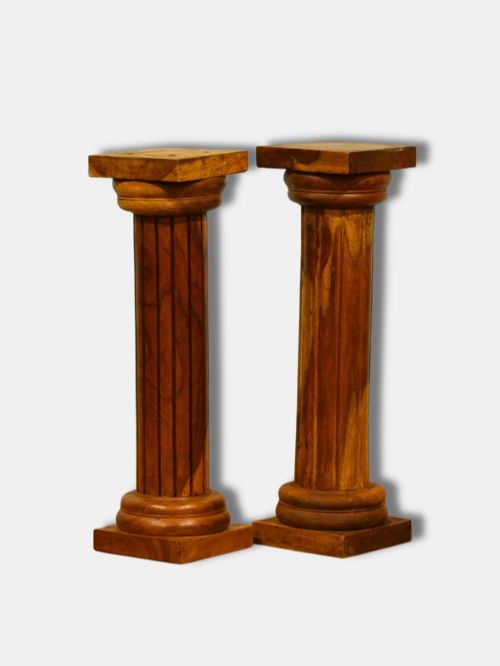
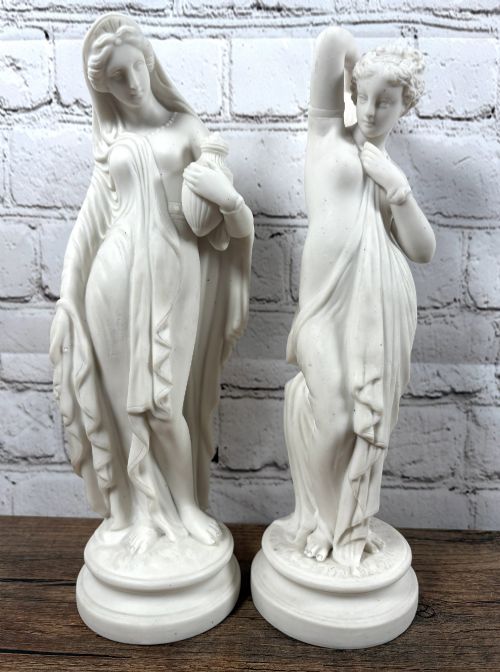
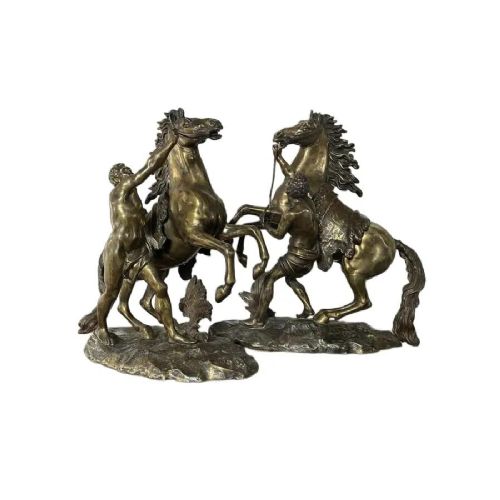
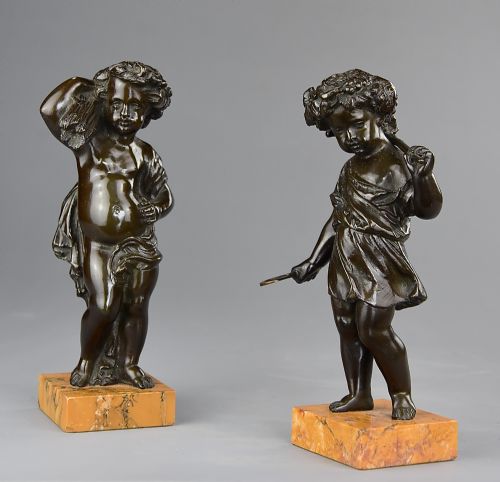
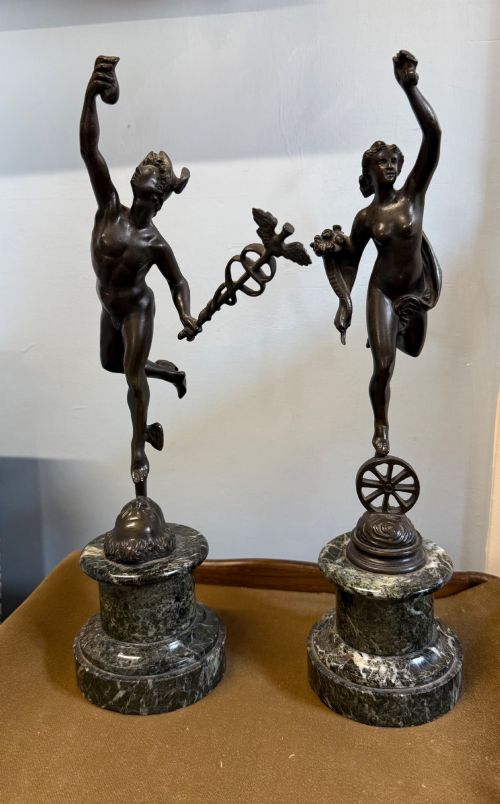
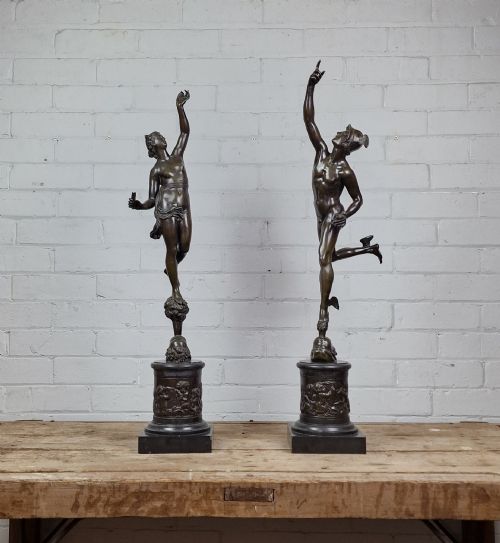
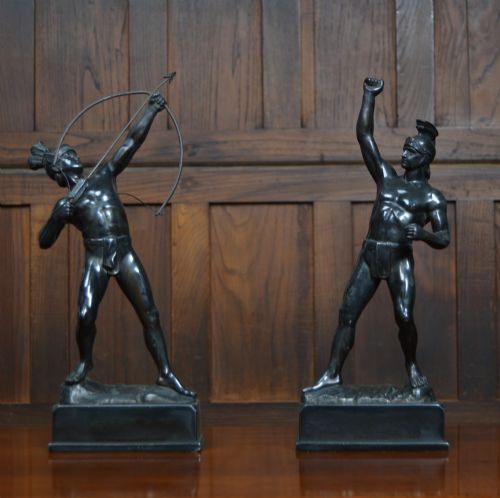
A classical sculpture pair brings symmetry and balance to a room, utilising matched figures, busts, animals or architectural elements. When searching for a classical sculpture pair, you encounter everything from bronze mythological figures and Grand Tour souvenirs to marble columns and garden statues.
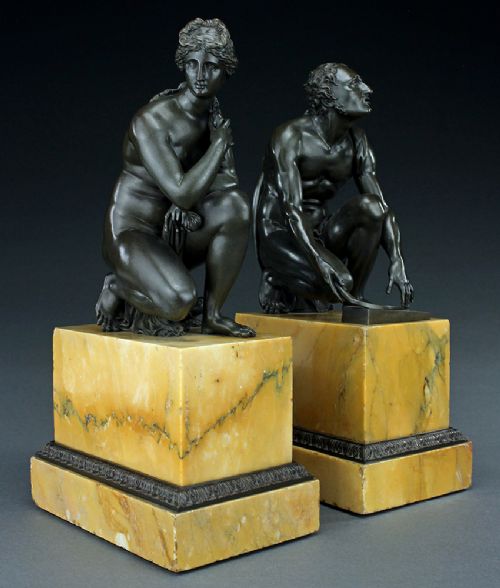
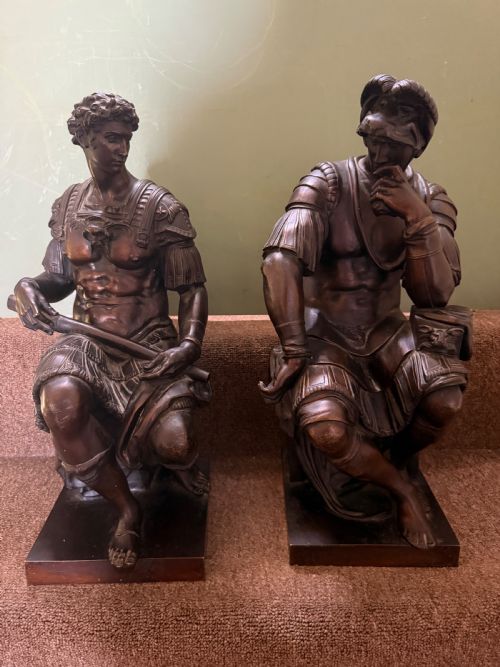
The materials span traditional bronze, patinated bronze, terracotta, plaster, porcelain and several varieties of marble including Siena, Portasanta, Rosso Antico, Bardiglio and Carrara. These matched groupings often replicate famous antiquities or Renaissance masterpieces intended for display on pedestals, mantels or furniture.
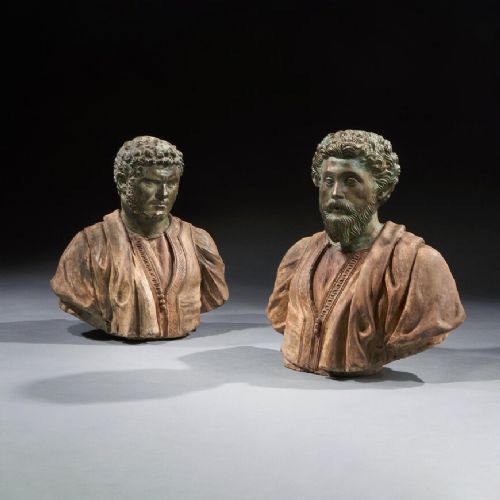
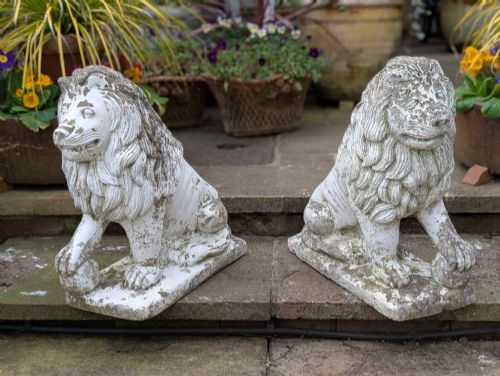
Origins stretch from eighteenth-century productions through nineteenth-century Victorian and French Neoclassical interpretations into early twentieth-century works. Forms include portrait busts of Caesars, allegorical putti, lions, sphinxes, obelisks and architectural bookends.
Materials and methods
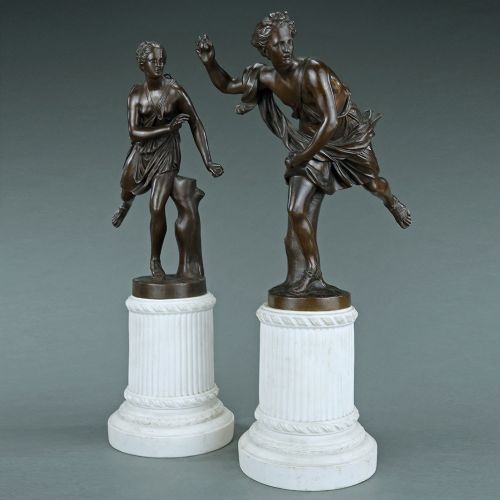
Bronze casting relies upon traditional foundry methods, resulting in finely detailed patinated figures that capture the musculature and drapery of antique models. Marble works are hand-carved from solid blocks of variegated stone, polished to reveal natural veining and geological patterns.
Plaster, chalk, terracotta and porcelain compositions utilise moulds taken from master sculptures, allowing for crisp surface details that are subsequently painted, patinated or left in their natural bisique finish.
Classical Sculpture Pair Retail Price Guide 2026
Typical asking prices for classical sculpture pair among the pieces listed under this phrase on Sellingantiques today, from the lower quarter to the upper quarter. They describe what is for sale here now, not the wider market.
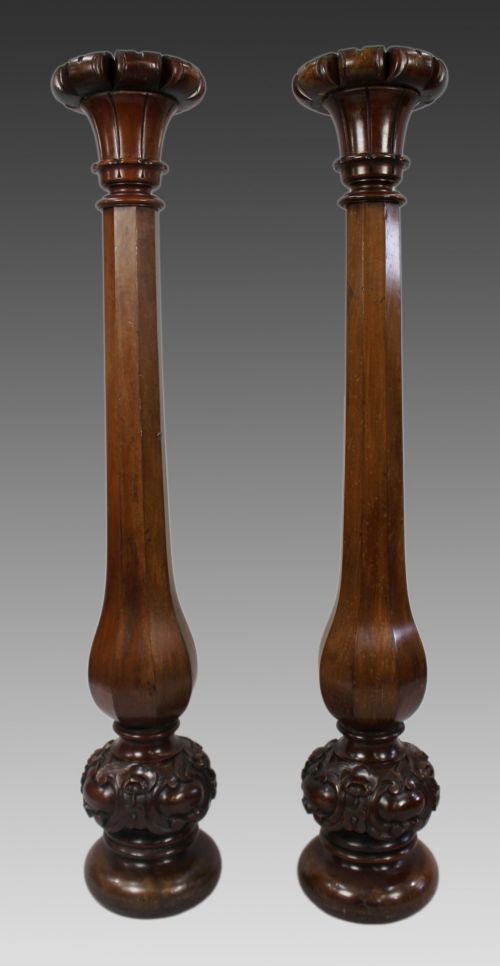
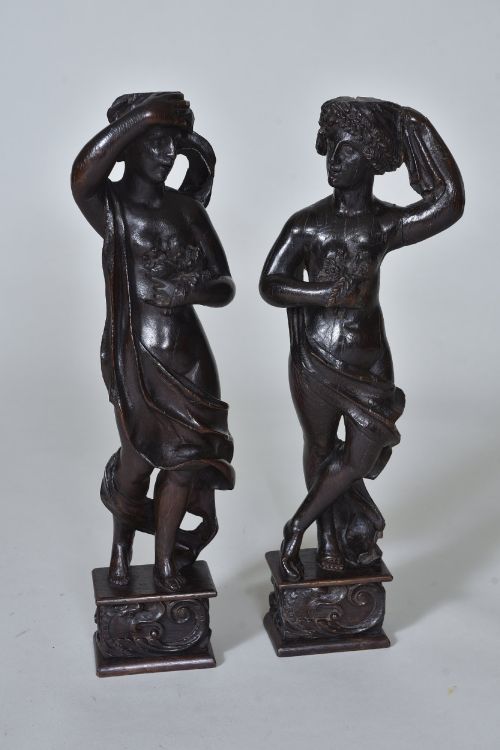
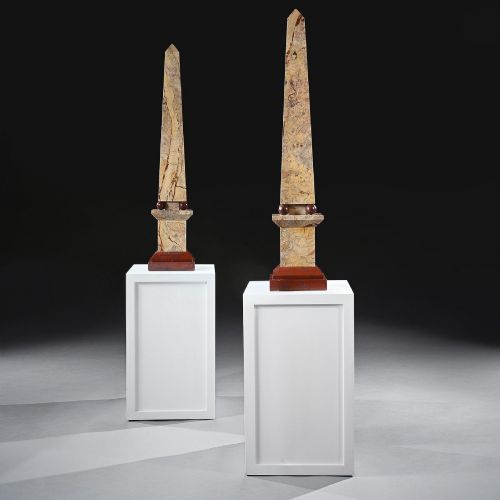
Listings feature eighteenth-century oak carvings alongside nineteenth-century bronze figures, Victorian pedestals and early twentieth-century marble obelisks.
Assessing quality
Proportion and stance dictate the visual impact of a matched pair, ensuring that mirror-image figures balance each other harmoniously in weight, scale and posture when placed together in a room.
Barbedienne·Claude Michael Clodion·Giambologna·Michelangelo·Thomas Hope·James Hadley·Coustou·Dopmeier·K and O·Compton Potters Art Guild·Canova·F De Luca·Rousseau
The Classical Sculpture Pair Glossary
- Grand Tour
- A nineteenth-century tradition where wealthy travellers collected miniature bronzes, marble obelisks and architectural models in Italy. These souvenirs brought classical antiquity back to British drawing rooms.
- Patinated bronze
- A treated metal surface displaying an aged brown, green or dark finish applied to bronze sculptures. This layer protects the metal while enhancing visual depth and shadow.
- Obelisk
- A tall, four-sided, narrow tapering monument which terminates in a pyramid-like shape at the top. In classical interiors, pairs of marble obelisks were used as decorative mantel or table ornaments.
- Putto
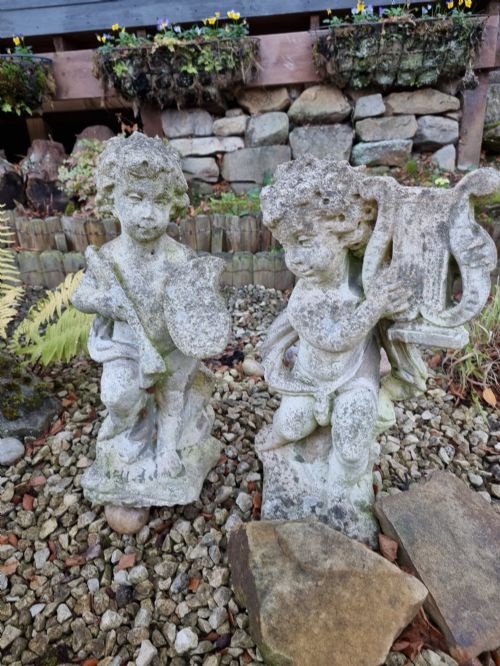
- A plump, naked male child figure often depicted in classical art and garden statuary. They frequently appear in pairs representing allegorical themes such as harvest or music.
- Portasanta marble
- A colourful decorative Italian marble featuring reddish-brown tones with white and grey veins. It was favoured by sculptors for obelisks and architectural columns.
Classical Sculpture Pair: Frequently Asked Questions
What is a classical sculpture pair?
A classical sculpture pair consists of two matched decorative or fine art pieces created as companions, echoing ancient Greek, Roman or Renaissance motifs. They are designed to balance an interior space symmetrically.
These sets include matching bronze figures, marble obelisks, portrait busts or bookends created across the nineteenth and early twentieth centuries.
Where should I place marble obelisks?
Pairs of marble obelisks work well placed at either end of a mantelpiece, sideboard or bookcase. Their vertical lines draw the eye upward and add architectural structure to a room.
Ensure they rest on a stable, level surface away from heavy foot traffic due to their weight and stone composition.
How do I identify Grand Tour bronzes?
Grand Tour bronzes typically replicate famous classical statues seen by travellers in Italian museums during the eighteenth and nineteenth centuries. They often feature rich patinated finishes and are mounted on heavy marble bases.
Look for fine cast details that indicate a quality reduction of a monumental public sculpture.
Can garden statues stay outside?
Garden statues made from stone, reconstituted stone or durable metals are built to withstand outdoor conditions. Over time, exposure to the weather develops a natural organic weathering on the surface.
Plaster or painted chalk figures, however, must remain indoors away from moisture to protect their delicate finishes.