




Classical Sculpture Decor
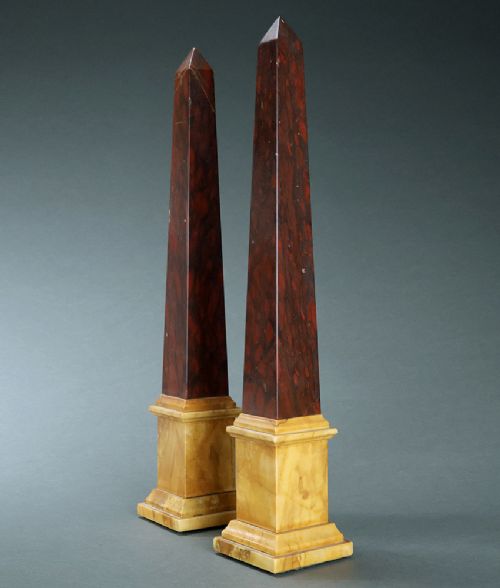
Classical sculpture decor brings antiquity home through bronze busts, marble obelisks and carved panels.
Classical Sculpture Decor
Classical sculpture decor encompasses historical figures, architectural fragments and mythological motifs rooted in ancient Greek, Roman and Egyptian traditions. Buyers encounter portrait busts of emperors, Grand Tour bronzes and decorative wall plaques designed to evoke antiquity in interior spaces.
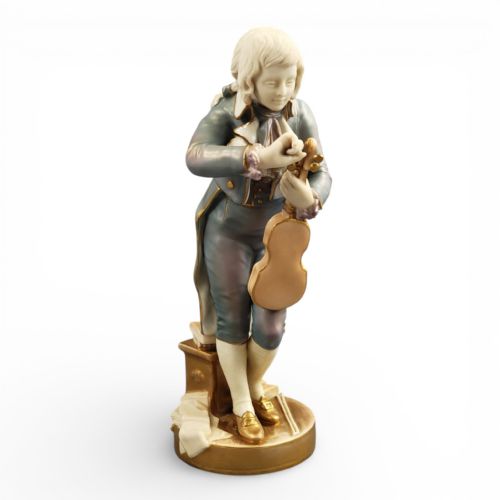
The selection ranges from monumental carved Medici lions and ebonised wall plaques to miniature theatrical props and porcelain figures. Pieces appear across multiple eras, led by nineteenth-century revivals alongside seventeenth-century carvings and mid-century interpretations.
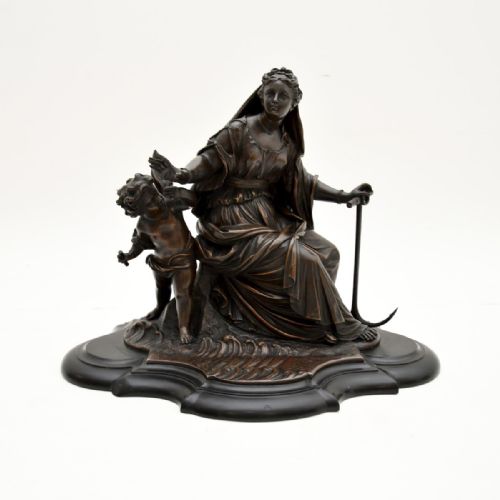
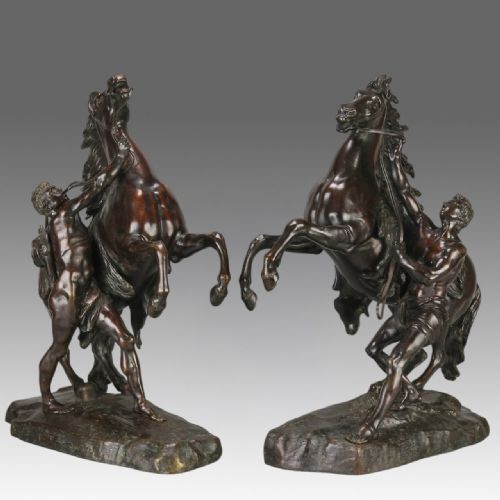
Forms vary from freestanding bronze horses and marble groups to framed wall sculptures and gilt masks. Origin points span English, French and Italian workshops, reflecting centuries of European fascination with classical forms.
Materials and construction
Bronze casting dominates the metalwork, utilising traditional techniques to capture fine muscular detail and patination, often complemented by verdigris finishes. Sculptors also employ marble for busts, stands and obelisks, providing heavy, tactile surfaces that emulate ancient ruins.
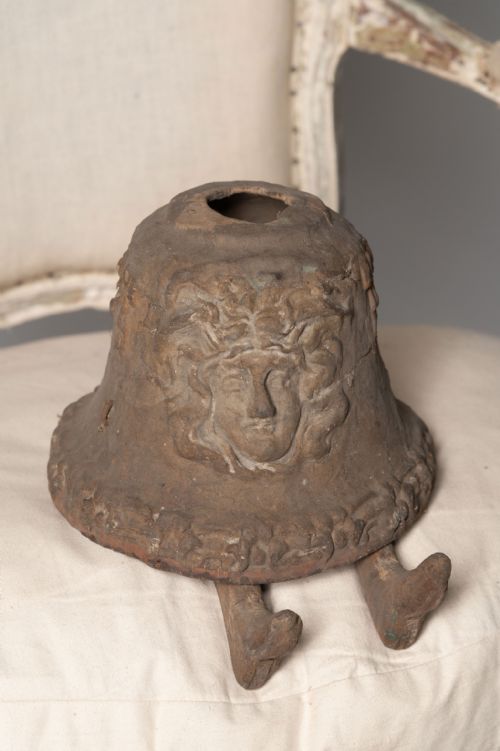
Carved wood provides lighter wall reliefs and panels, frequently utilising walnut or ebonised timber. Terracotta and papier-mâché appear in figurative works and theatrical pieces, offering alternative textures for moulded ornamentation.
Classical Sculpture Decor Retail Price Guide 2026
Typical asking prices for classical sculpture decor among the pieces listed under this phrase on Sellingantiques today, from the lower quarter to the upper quarter. They describe what is for sale here now, not the wider market.
A bronze nostril from a horse statue sits among the classical figures.
What separates the finest pieces
Provenance and adherence to recognised classical precedents, such as reductions after Coustou or Joseph Gott, elevate certain items. The integration of supporting elements, including fitted marble bases and original maker labels, adds historical weight to the piece.
Carlhian And Corbiere London·Royal Worcester·Joseph Gott·Charles Crozatier·Coustou
The Classical Sculpture Decor Glossary
- Grand Tour
- A traditional trip through Europe undertaken by upper-class young men in the eighteenth and nineteenth centuries to collect antiquities and classical art. Souvenirs purchased on these journeys often included miniature bronzes and marble obelisks.
- Neoclassical
- A Western cultural movement drawing inspiration from the art and culture of classical antiquity. This style heavily influences nineteenth-century sculpture decor.
- Patina
- A thin layer that naturally or artificially develops on the surface of bronze through age and exposure. Dealers and collectors value patination for its historical depth and visual warmth.
- Obelisk
- A tall, four-sided, narrow tapering monument which terminates in a pyramid-like shape at the top. In classical decor, these appear frequently as pairs in carved marble.
- Bust
- A painted, sculpted, or cast representation of a person's head, shoulders and chest. These items frequently depict Roman emperors, philosophers and historical figures.
Classical Sculpture Decor: Frequently Asked Questions
What periods do these pieces come from?
The inventory spans several centuries, featuring seventeenth-century wood carvings alongside nineteenth-century Grand Tour bronzes and mid-twentieth-century interpretations.
Victorian and Edwardian revivals form the core of the selection, reflecting enduring nineteenth-century enthusiasm for classical antiquities.
How do I display heavy marble and bronze?
Heavy marble busts and bronze sculptures require sturdy, level surfaces such as strong sideboards, pedestals or dedicated console tables to safely support their substantial weight.
Wall-mounted plaques and framed reliefs need secure fixings appropriate for lath and plaster or brick walls to ensure safe suspension.
Are these items genuine antiquities?
Most items are later interpretations, revivals or Grand Tour souvenirs created during the nineteenth and twentieth centuries rather than ancient archaeological artefacts.
These decorative works borrow their forms, subjects and styles directly from classical Greek, Roman and Egyptian sculpture.
What is a Grand Tour souvenir?
Grand Tour souvenirs are portable artworks and architectural models purchased by wealthy travellers touring European cultural centres during the eighteenth and nineteenth centuries.
These pieces allowed collectors to bring classical aesthetics and educational prestige back to their home residences.