





Classical Portrait Study
A classical portrait study captures the likeness and dignity of its subject through the enduring lens of historical styles.
Classical Portrait Study
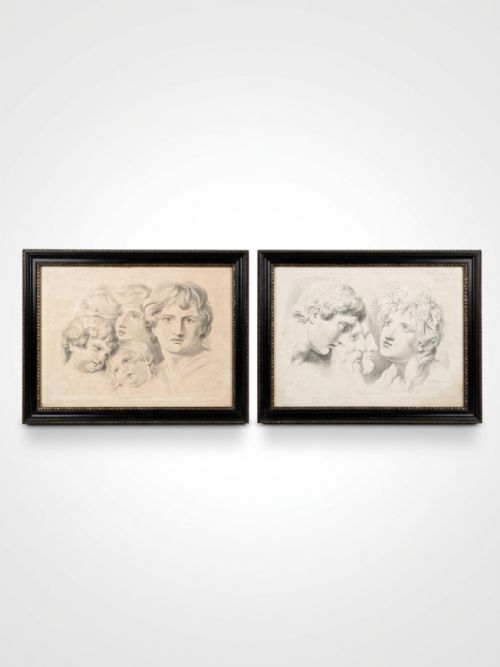
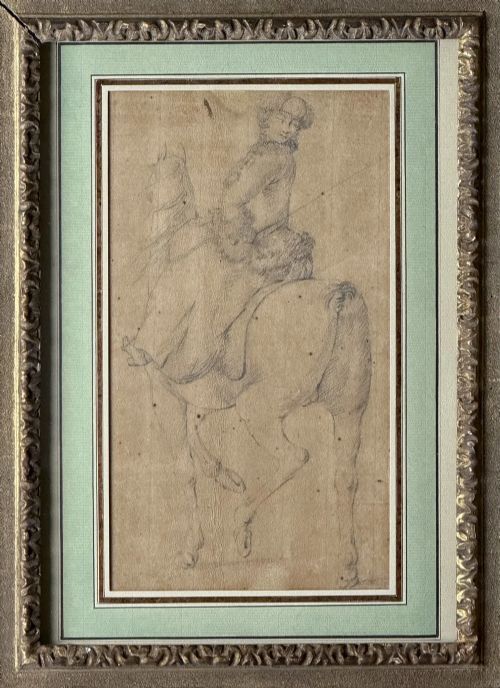
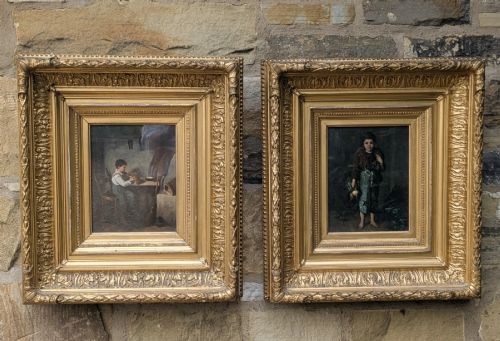
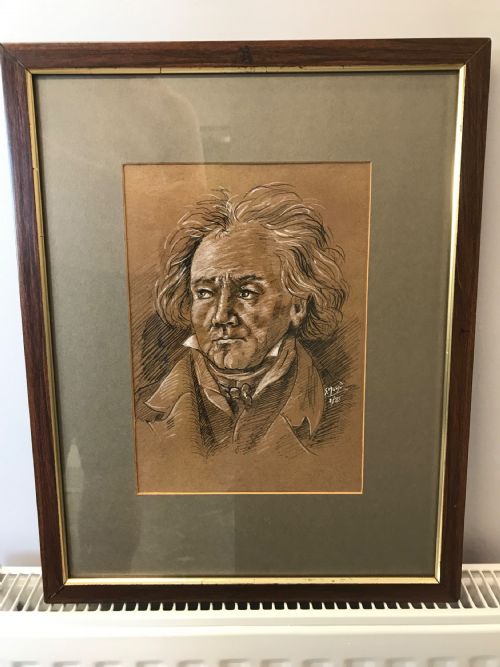
The selections span various regional schools and movements, including neoclassical interpretations, Baroque compositions, and nineteenth-century realism. Buyers encounter everything from ink drawings of composers to marble busts and grand tour pieces.
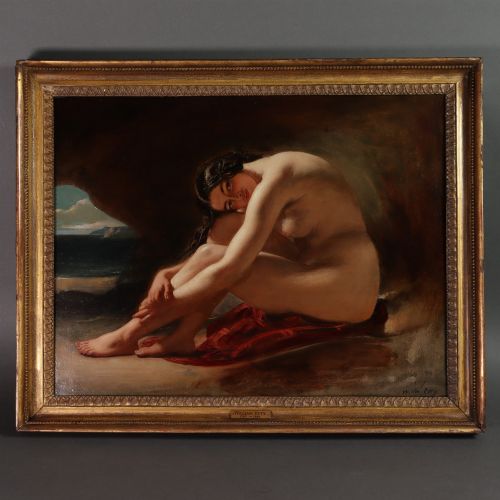
The subjects range from historical figures and mythical characters to anonymous youths and philosophers. Each piece reflects the aesthetic priorities of its period, utilising mediums such as canvas, paper, and patinated plaster.
Materials and methods
Artists deployed oil paint upon canvas and panel to achieve depth and tonal variation, often employing techniques seen in Northern European and Italian schools. Drawings utilise pen, ink, wash, gouache, and sanguine upon paper to capture immediate expressions.
Sculptural studies utilise carved statuary marble mounted on socles, patinated plaster, and bronze to render three-dimensional forms. Giltwood frames frequently complement the painted and drawn works.
Classical Portrait Study Retail Price Guide 2026
Typical asking prices for classical portrait study among the pieces listed under this phrase on Sellingantiques today, from the lower quarter to the upper quarter. They describe what is for sale here now, not the wider market.
Listings feature works executed in oil on canvas, oil on panel, sanguine on paper, carved statuary marble, and patinated bronze.
Judging quality and execution
The fidelity of the attribution and the historical integrity of the materials, from aged canvas to patinated bronze, determine the standing of each piece within its period.
Ludwig van Beethoven·Marie Leczinska·François-André Vincent·William Etty·Allan Douglas Davidson·Sir Thomas Brock·James Clark·Bartolomeo Schedoni·Peter Paul Rubens·Auguste Renoir
The Classical Portrait Study Glossary
- Neoclassical
- A style reviving the ideals of ancient Greece and Rome, characterised by harmonious proportions and severe dignity. It heavily influences many portraits and busts from the eighteenth and nineteenth centuries.
- Socle
- A short plinth or pedestal supporting a bust or statue. These often consist of coloured marbles such as prato verde.
- Sanguine
- A type of red chalk used for drawing, producing warm earthy tones favoured for preparatory portrait studies.
- Grand Tour
- A traditional trip through Europe undertaken by upper-class young men to absorb classical art and culture, often resulting in the acquisition of souvenirs and etchings.
- Gouache
- An opaque watercolour paint that dries to a matte finish, used alongside ink and wash in detailed portrait drawings.
Classical Portrait Study: Frequently Asked Questions
What defines a classical portrait study?
A classical portrait study focuses on human likeness through historical artistic frameworks, often serving as a preparatory work or a finished piece in oil, marble, or ink.
These works reflect the technical training and aesthetic ideals of periods spanning from the seventeenth century onward.
How are marble busts displayed?
Marble busts generally rest upon matching socles, such as those made of prato verde marble, which elevate the sculpture and provide stable support.
They require placement on sturdy surfaces where their weight and material can be safely accommodated.
What materials were used for drawings?
Artists utilised paper as a base for pen, ink, wash, gouache, and sanguine chalk to create detailed studies and preparatory works.
These works benefit from framing behind glass to protect the delicate pigments and paper from environmental damage.
How do you date an antique portrait?
Dating relies upon stylistic markers, the medium used, framing, and recorded attributions to specific historical schools or named artists.
Material analysis of the canvas, wood panel, or paper further assists in confirming the age of the piece.