



Classical Portrait Medallion
A classical portrait medallion captures a profile carved in relief, offering a timeless glimpse into antiquity that brings dignity to any wood-panelled wall.
Classical Portrait Medallion
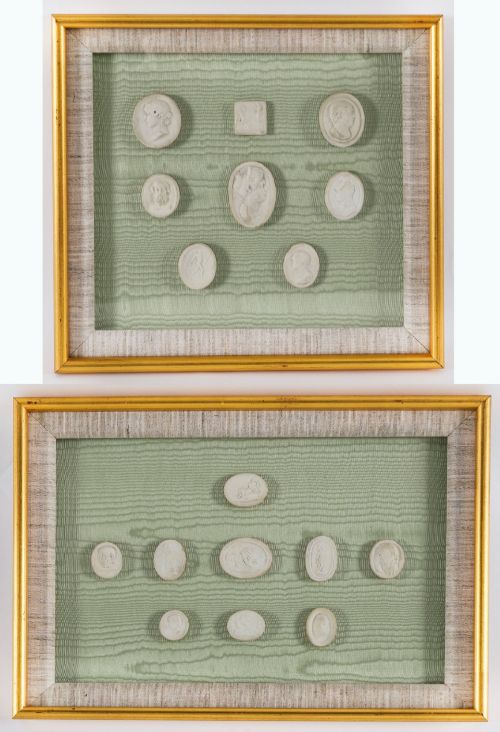
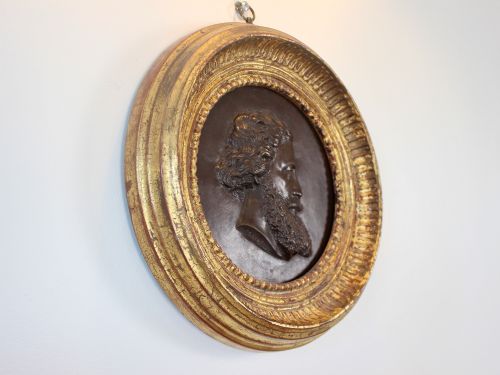
When you search for a classical portrait medallion, you uncover profiles of Roman emperors, poets, and statesmen rendered in miniature relief. These pieces serve primarily as wall art, appearing frequently as wall plaques, framed cameos, and roundels.
The selections here span the eighteenth and nineteenth centuries, leaning heavily into neoclassical and classical revival styles. You will regularly encounter materials ranging from carved marble and mahogany to bronze, plaster, and jasperware.
Origins stretch across European workshops, taking in Grand Tour souvenirs from Italy and French Empire designs. They bridge the gap between grand sculpture and intimate domestic display.
Materials and construction methods
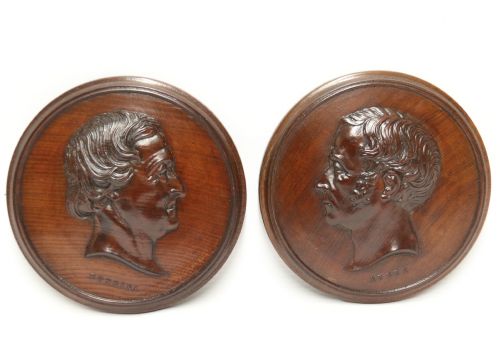
Carvers shaped white marble and dense mahogany by hand to achieve crisp relief profiles against darker backgrounds. Plaster and cast lead received bronze patination to mimic heavier metalwork on Grand Tour plaques.
Enamel and gold leaf appear in wearable formats like pendants, showing meticulous miniature detail. Turned wood frames surround many of these roundels to protect the fragile edges of plaster intaglios and marble bas-reliefs.
Classical Portrait Medallion Retail Price Guide 2026
Typical asking prices for classical portrait medallion among the pieces listed under this phrase on Sellingantiques today, from the lower quarter to the upper quarter. They describe what is for sale here now, not the wider market.
Napoleon and Marie-Louise Bonaparte share timber frames here, proving that even emperors need good joinery.
Judging the quality of the relief
The depth of the carving dictates the visual strength of a classical portrait medallion. Sharp undercut details in marble or mahogany separate masterworks from softer, commercial plaster casts.
The quality of the framing matters just as much as the centrepiece. Original turned mahogany surrounds and secure gilded bezels elevate the status of an antique profile.
Thorvalsen Workshop·Wedgwood·MAINFROY
The Classical Portrait Medallion Glossary
- Bas-relief
- A sculptural technique where figures project only slightly from the background plane. This shallow projection defines the profile in most wall plaques.
- Intaglio
- A design carved into the material rather than raised above it. These reverse images often appear in framed sets from the nineteenth century.
- Roundel
- A circular panel used for decorative artwork. They frequently house cast lead bronzed portraits or marble reliefs.
- Cameo
- A method of carving an object such as a engraved gem or plaque with a raised profile. Wedgwood jasperware and carved stone versions dominate this category.
- Grand Tour
- A traditional trip of Europe undertaken by upper-class European young men of means. Souvenirs from these journeys included carved marble cameo portraits of Roman emperors.
Classical Portrait Medallion: Frequently Asked Questions
What is a classical portrait medallion?
A classical portrait medallion is a small relief sculpture showing a human profile, usually cast or carved in materials like marble, plaster, bronze, or mahogany.
These pieces were made to be hung on walls or worn as pendants, drawing inspiration from ancient Roman coins and sculpture.
How were these plaques displayed originally?
Wealthy collectors during the eighteenth and nineteenth centuries hung these roundels in studies and libraries as part of a classical education.
Framed sets and individual mahogany plaques were arranged in tight groupings to showcase historical and literary knowledge.
How do I date a nineteenth-century plaque?
Dating relies on observing the framing timber, the casting technique, and the style of the relief. French Empire and Grand Tour pieces from this era often use turned mahogany surrounds and specific patination methods.
Signatures on the bronze or stone also help pinpoint the workshop origin.