

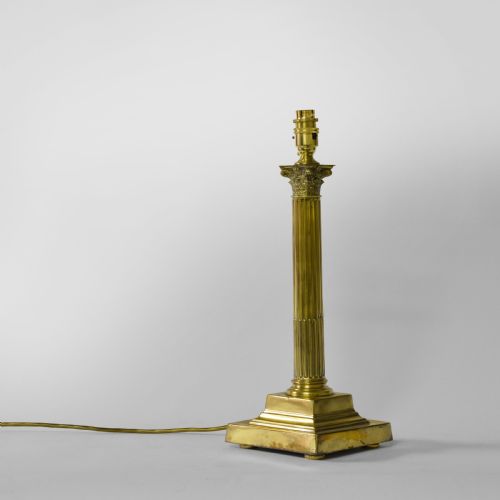


Classical Pillar Light
These classical pillar light designs bring architectural dignity to a room, offering sturdy column forms shaped by nineteenth and early twentieth-century makers.
Classical Pillar Light
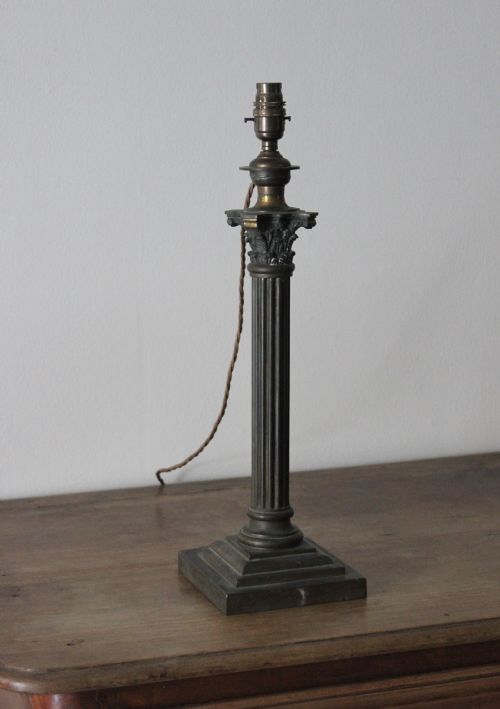
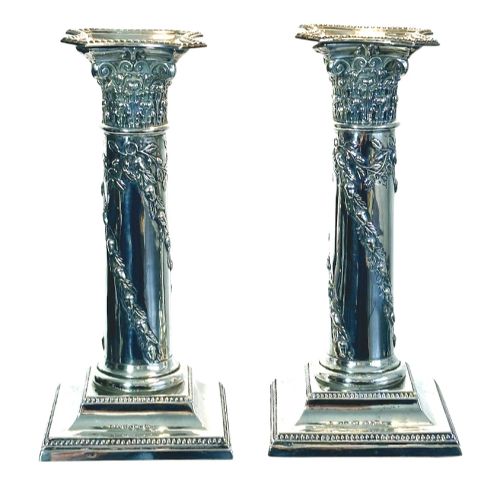
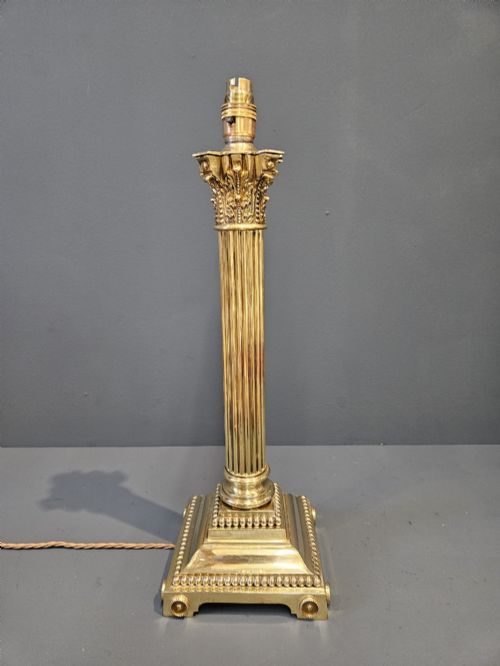
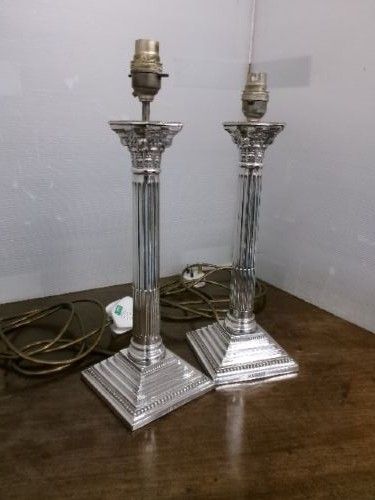
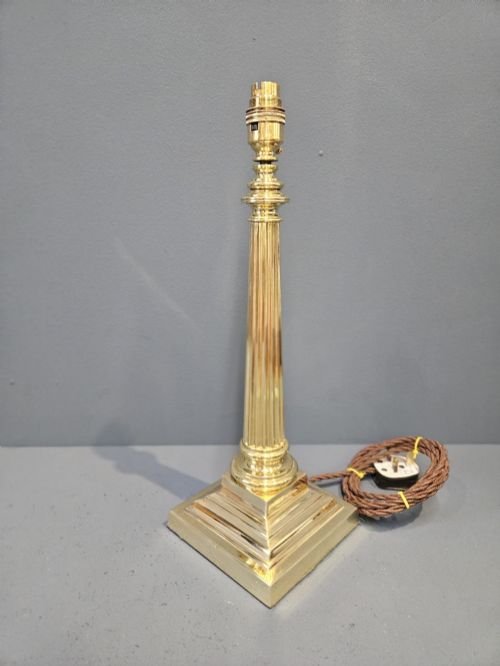
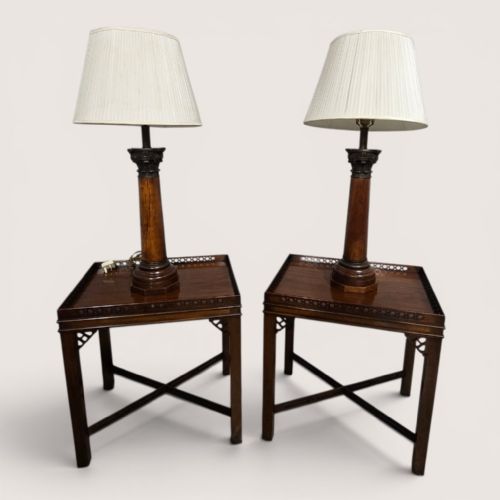
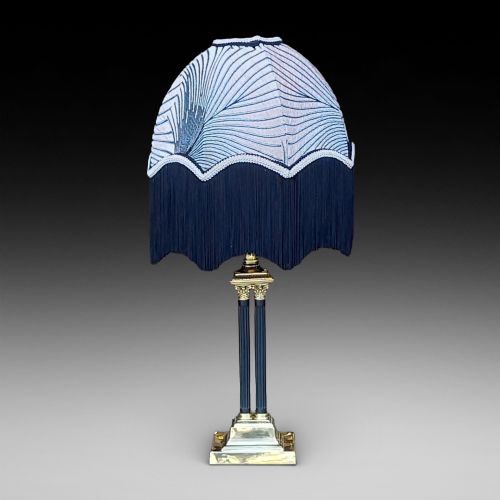
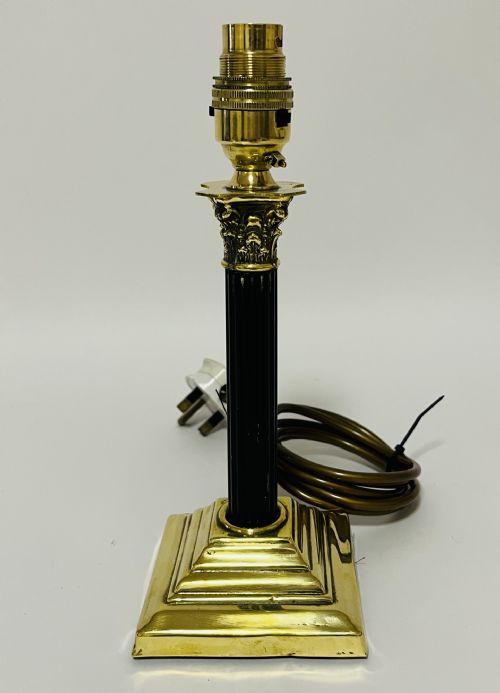
When you search for a classical pillar light, you find column-form table lamps, candlesticks, and candelabra that draw directly on architectural orders. The core of what you meet here consists of nineteenth-century and early twentieth-century examples, predominantly taking the form of Corinthian or classical columns raised on stepped or weighted bases.
The dominant material throughout the selection is brass, often patinated or cast with sharp surface detail, accompanied by substantial pairings of silver plate on copper. You will also encounter bronze, ormolu, carved oak, and Italian onyx supporting these columnar silhouettes across Victorian, Edwardian, and Art Deco periods.
Most pieces listed under this heading function as electrified table lamps, though older candlesticks and candelabra also appear in conversion or original formats. They range from small mantelpiece ornaments to large pairs standing over two feet tall, reflecting varied domestic uses from the nineteenth century onward.
How they were made
The construction relies heavily on cast brass, bronze, and silver plate, utilising detailed metal-casting techniques to form the acanthus leaves and volutes of Corinthian capitals. Shafts are cast as fluted or reeded columns, sometimes combined with turned wood, marble, or onyx sections to add visual weight and colour contrast.
Wiring and electrical conversions introduce braided fabric flex and modern internal fittings into older lamp bodies, while older candlesticks retain solid cast sockets intended solely for wax tapers. Metal surfaces are frequently patinated, polished, or plated with silver, requiring precise assembly of stepped square bases to ensure stability for tall columns.
Classical Pillar Light Retail Price Guide 2026
Typical asking prices for classical pillar light among the pieces listed under this phrase on Sellingantiques today, from the lower quarter to the upper quarter. They describe what is for sale here now, not the wider market.
Listings span the nineteenth century through the 1930s, using materials including brass, silver plate, bronze, marble, onyx, oak, and fabric flex.
What varies in quality
Quality rests in the crispness of the casting on the capital and the weight of the metal used in the base. Finer examples display sharp, undercut acanthus foliage and heavy gauge brass or sterling silver, whereas lesser items rely on softer cast detail and thin plating over base metals.
Proportion and matching define the better pairs, where fluted columns align precisely with heavy stepped plinths. The integration of electrical components also marks the division between careful professional conversions and hurried modern alterations.
Walter Latham & Son
The Classical Pillar Light Glossary
- Corinthian column
- An architectural column style featuring an ornate capital decorated with carved acanthus leaves and small volutes. This motif defines the majority of the metal table lamps in this category.
- Ormolu
- Finely ground high-carat gold applied to a bronze base using a mercury amalgamation process, or simply a bright gold-coloured brass alloy. It provides a rich, warm metallic finish on nineteenth-century decorative items.
- Reeded column
- A cylindrical shaft carved or cast with a series of parallel, convex semicircular moulding strips running vertically. It adds texture and classical formality to the lamp stem.
- Patinated brass
- Brass that has developed a darkened, oxidized surface skin over time through natural ageing or chemical treatment. This finish highlights recessed details and reduces excessive brightness.
Classical Pillar Light: Frequently Asked Questions
Are these lamps originally electrified?
Most of these pieces started life as oil lamps, gas fixtures, or candlesticks before being converted for modern electrical use. The original metal bodies date from the nineteenth or early twentieth century, while the wiring and internal components are updated.
When examining a column lamp, you can often spot where burners or candle sockets were adapted to take bulb holders and braided fabric flex.
How do I tell Victorian from Edwardian columns?
Victorian examples tend to feature heavy cast brass with dark patination, deep relief work on the Corinthian capitals, and substantial square stepped bases. Edwardian and later pieces from the early twentieth century often shift toward bright silver plate or taller, slender proportions.
Looking at the weight of the metal and the style of the base helps distinguish the earlier nineteenth-century castings from later twentieth-century reproductions or variants.
Where should I place a pillar lamp?
These tall column lamps suit heavy wooden sideboards, large desk surfaces, or low tables where their vertical height commands attention. Their classical architecture pairs well with traditional studies, formal living rooms, or hallways.
Because many pairs stand quite tall, they work best where there is sufficient clearance from overhead shelves or low-hanging artwork.
How do I clean silver plated columns?
Silver plated brass or copper requires gentle cleaning with a specialist silver cloth to avoid wearing through the thin metal layer. Avoid harsh liquid dips that strip away the aged character from recessed areas.
Unplug the lamp before cleaning and take care around the fabric flex and electrical entry points at the base.