



Classical Landscape Mirror
A classical landscape mirror brings painted pastoral scenes and gilded frames together to anchor a room.
Classical Landscape Mirror
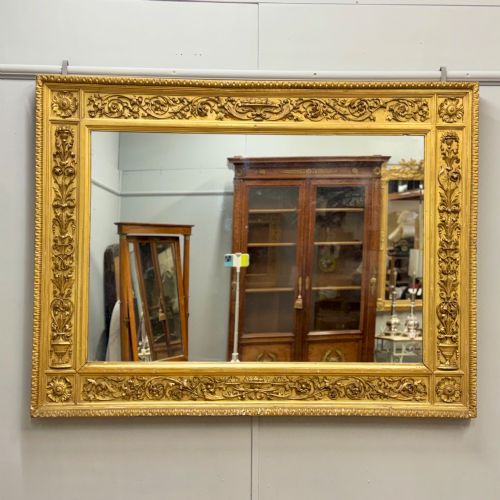
A classical landscape mirror combines a reflective glass plate with a painted panel or depiction set directly into the frame. These pieces serve as both decorative wall art and functional looking glasses.
The versions most commonly met on this page belong to the Regency, Georgian, and nineteenth-century periods. They appear predominantly as overmantel mirrors or pier mirrors featuring giltwood and gesso surfaces.
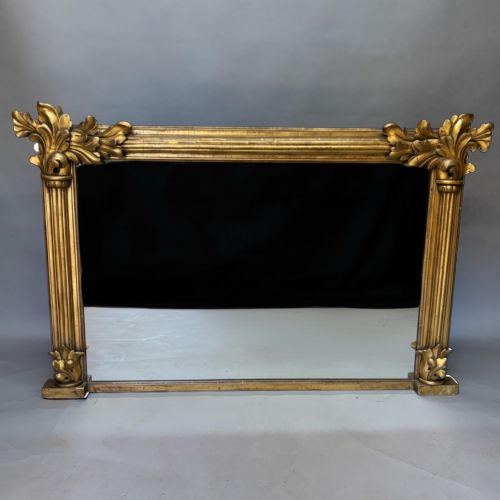
Makers designed these horizontal formats to hang above a fireplace or a low sideboard. The inclusion of pastoral scenes, trumeau panels, or eglomisé glass defines the character of the group.
How they were made
Makers constructed the structural frames using timber such as ebonised wood or birds-eye maple, then applied coats of gesso to build up decorative reliefs. Artisans covered these moulded surfaces in gold leaf to achieve a bright metallic finish.
Painted panels executed in oil paint upon canvas or wood were incorporated into the upper sections of the frame. Glaziers fitted silvered mirror glass into the lower rebates, sometimes utilising triple plate configurations or reverse-painted glass panels.
Classical Landscape Mirror Retail Price Guide 2026
Typical asking prices for classical landscape mirror among the pieces listed under this phrase on Sellingantiques today, from the lower quarter to the upper quarter. They describe what is for sale here now, not the wider market.
Ancient chariots and pastoral figures gaze down from these frames, watching modern rooms with painted eighteenth-century patience.
What varies in quality
The crispness of the carved ornamentation separates standard examples from finer works. Deep relief work on acanthus decorations and columns indicates skilled hand carving rather than hurried moulding.
The preservation of the original painted panel and the clarity of the primary mirror plate dictate the standing of an individual piece. Retaining the original gilding without heavy over-painting preserves the integrity of the object.
The Classical Landscape Mirror Glossary
- Giltwood
- Wood that has been coated with gold leaf or gold paint. This finish creates a luminous surface that catches candlelight and natural room illumination.
- Trumeau
- A decorative wall mirror featuring an upper panel containing a painting or carving. These pieces originated in classical interior design to fill wall spaces between windows.
- Overmantel
- A large mirror designed specifically to hang above a fireplace mantelpiece. The horizontal landscape format allows the glass to span the width of the hearth.
- Eglomisé
- A process of applying gold or silver leaf to glass and painting on the rear surface. This technique produces a reflective, translucent panel with an aged appearance.
- Gesso
- A plaster-like mixture applied to wooden frames to provide a smooth base for gilding. Artisans carved intricate details directly into this layered compound.
Classical Landscape Mirror: Frequently Asked Questions
Where should I hang a classical landscape mirror?
These pieces suit placement above a fireplace mantel or a low console table. The horizontal proportion aligns naturally with the width of hearths and large pieces of furniture.
Positioning the glass opposite a window helps bounce daylight deeper into the room. Lower ceiling heights benefit from the broad profile of an overmantel frame.
How do I identify a Regency period frame?
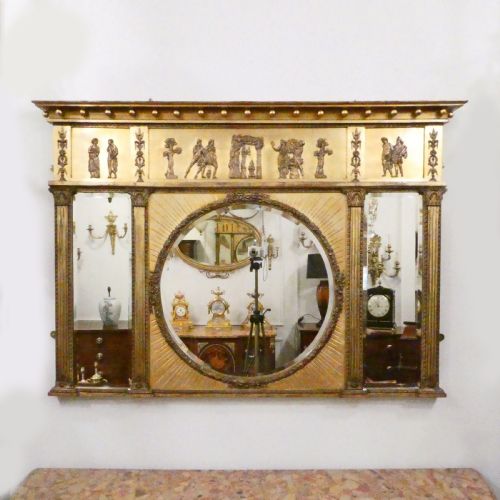
Regency frames often display classical architectural motifs such as columns, acanthus leaves, and ball-decorated cornices. The influence of neoclassical design shapes the geometry and decorative vocabulary.
Surface finishes on these pieces typically involve burnished gold leaf over gesso. Trifel plate formats and painted upper panels frequently accompany this style.
What is a triptych mirror?
A triptych mirror divides the reflective surface into three distinct vertical sections. Dividing bars separate the plates within a single unified frame.
This arrangement widens the visual field and adds architectural rhythm to the wall. Makers utilised this format extensively for nineteenth-century overmantel installations.
How should I clean the glass and frame?
Dust the gilded frame gently with a soft, dry brush to protect the delicate leaf. Moisture can damage old gesso and exposed wooden grounds beneath the gold.
Apply glass cleaner to a cloth rather than spraying the mirror directly. This prevents liquid from seeping behind the antique glass plates and harming the silvering.