



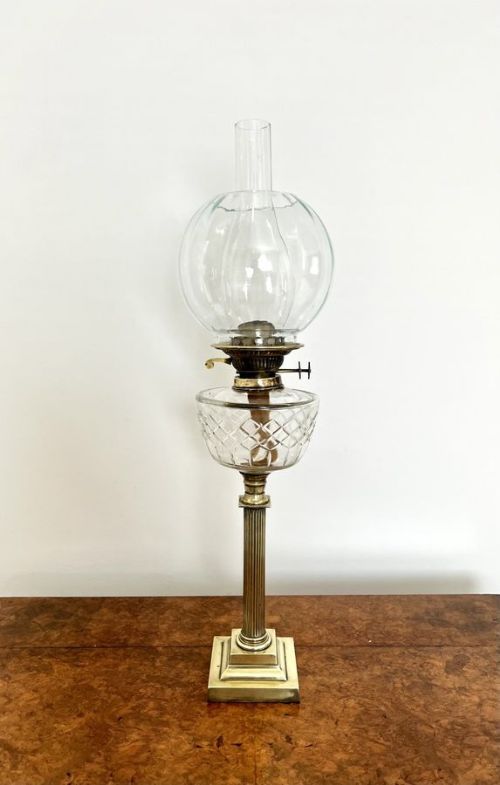

Classical Glass Lamp
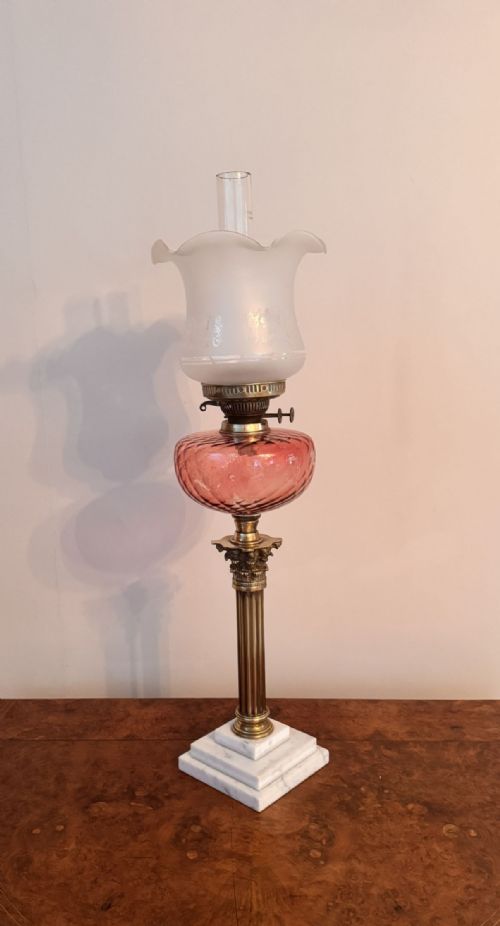
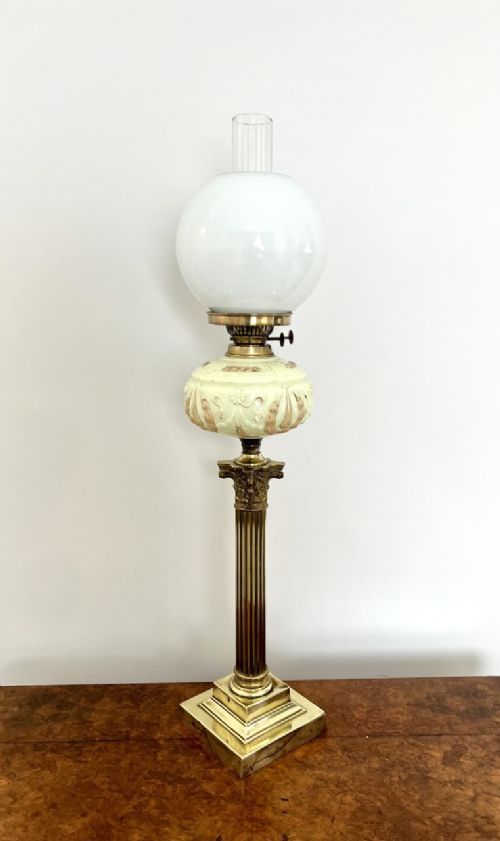
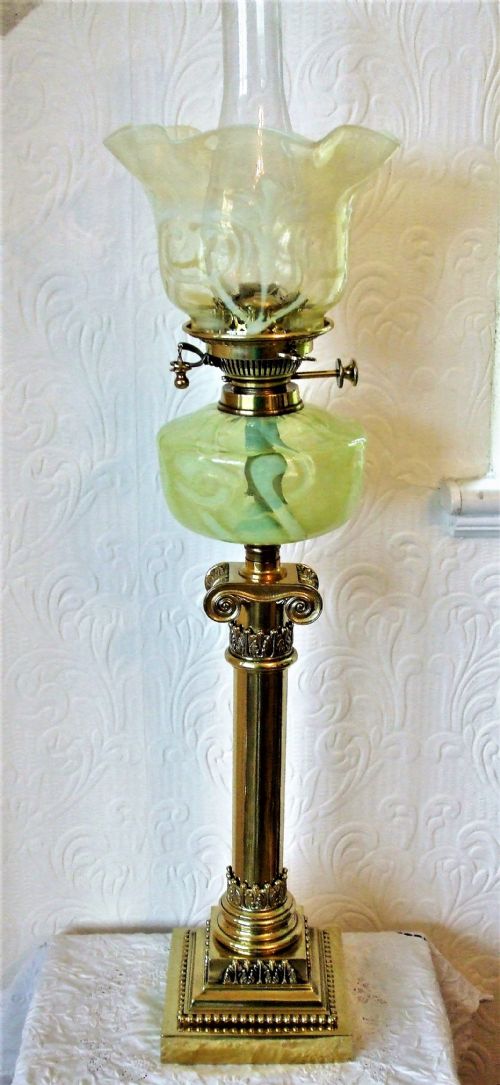
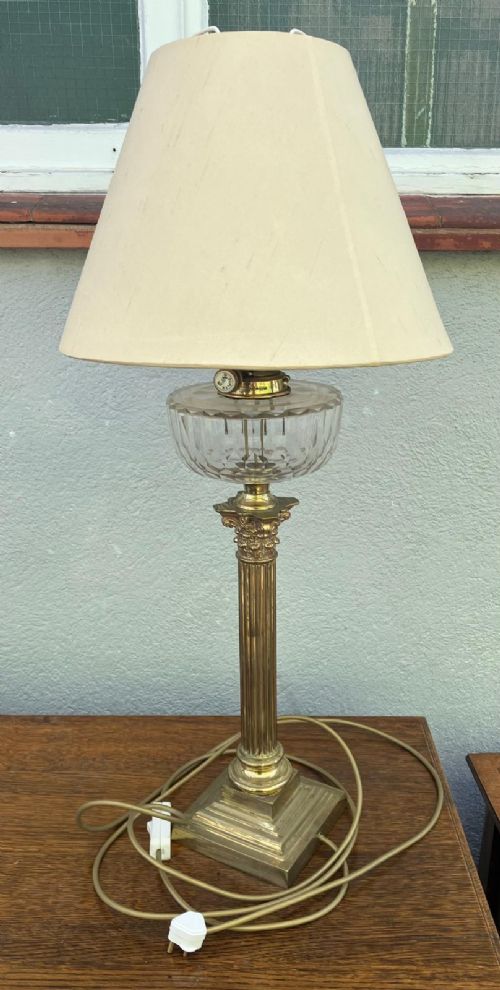
A classical glass lamp brings together brass, bronze, and cut glass to illuminate a room with nineteenth-century or Edwardian elegance.
Classical Glass Lamp
A classical glass lamp draws on nineteenth-century and Edwardian design, merging traditional lighting forms with durable materials.
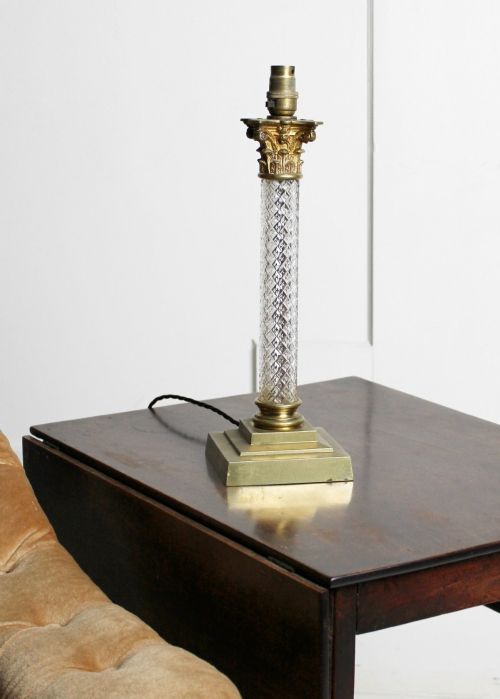
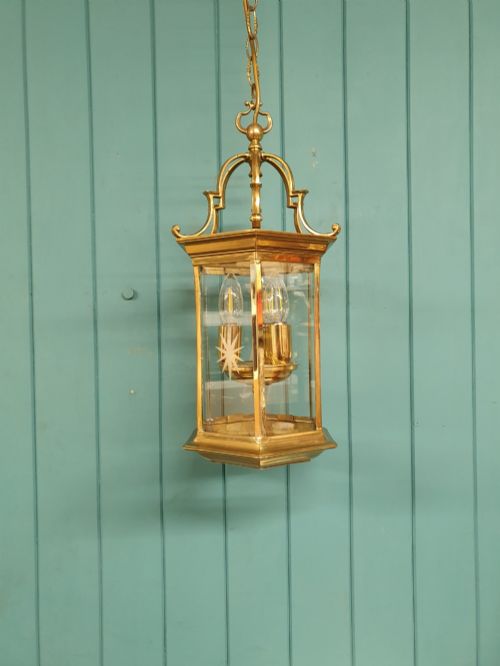
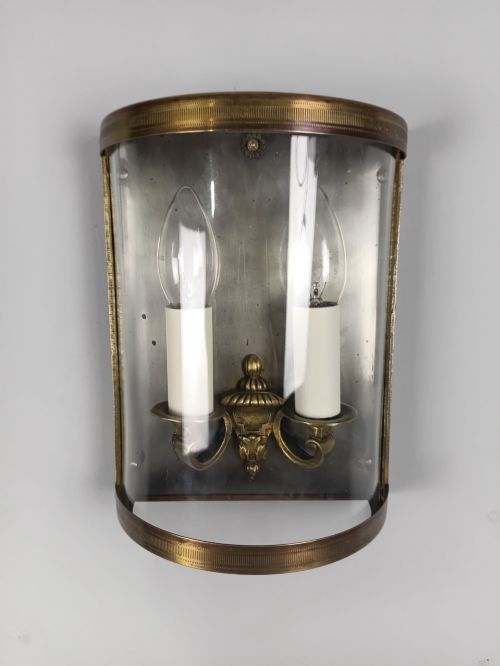
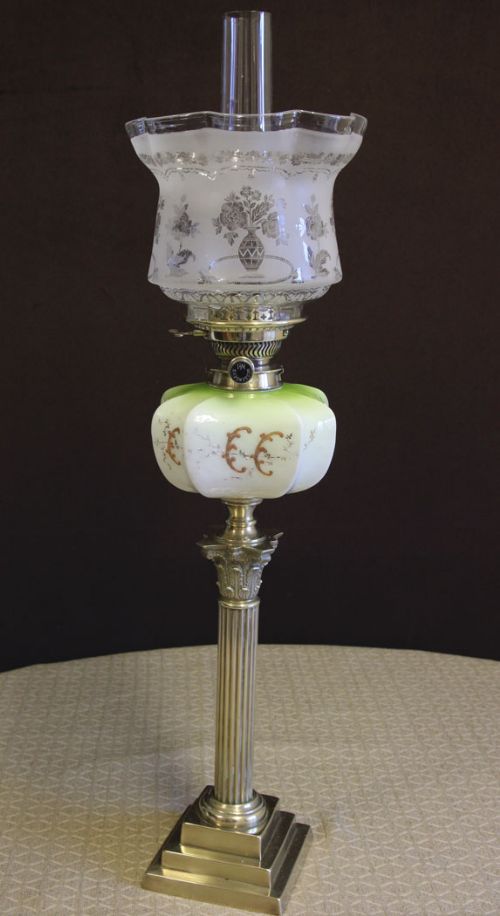
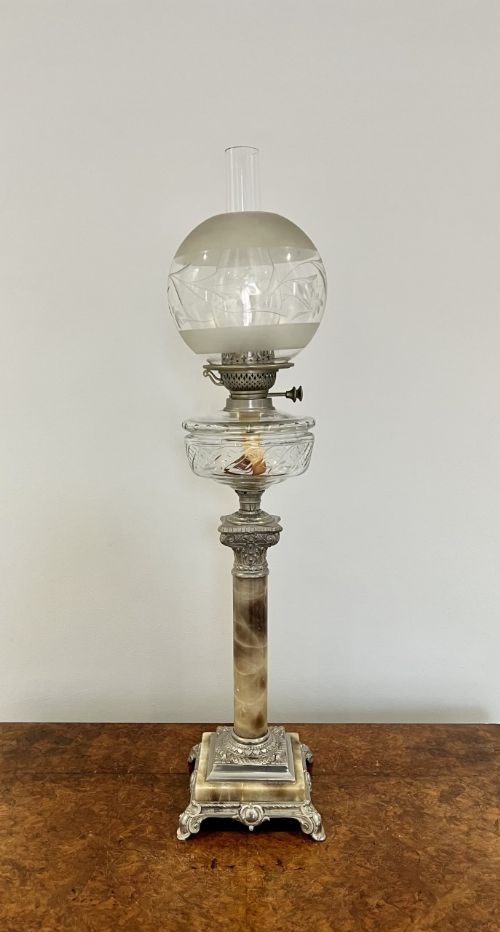
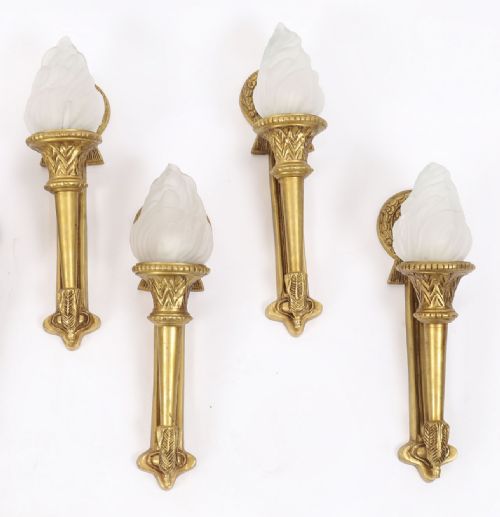
Buyers seeking a classical glass lamp will frequently encounter table lamps, oil lamps converted for modern use, and wall sconces.
The objects stem from Victorian, Edwardian, and Neoclassical revival traditions, often pairing metal columns with glass reservoirs.
How they were made
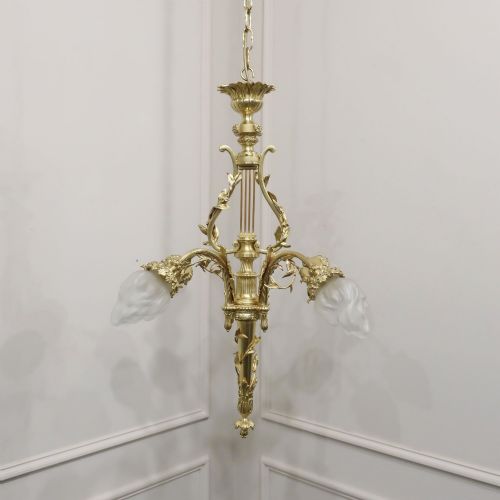
Maker workshops utilised heavy cast brass, bronze, and ormolu to form structured bases, columns, and decorative mounts.
Reservoirs and shades incorporated cut glass, frosted glass, or opaline components, shaped by skilled glassblowers and cutters.
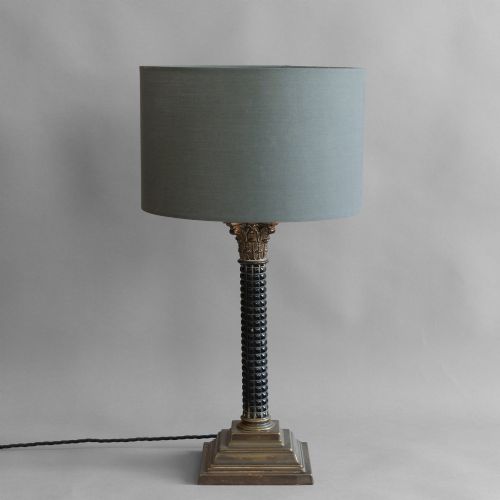
Makers integrated fabric shades or metal fittings depending on whether the piece originated as an oil lamp, desk light, or chandelier.
Classical Glass Lamp Retail Price Guide 2026
Typical asking prices for classical glass lamp among the pieces listed under this phrase on Sellingantiques today, from the lower quarter to the upper quarter. They describe what is for sale here now, not the wider market.
Some nineteenth-century desk lamps were designed specifically for notaries to burn the midnight oil while drafting stubborn contracts.
What varies in quality
The weight and crispness of the casting set apart standard metalwork from finer ormolu and gilt bronze mounts.
Clarity and depth in cut glass or frosted glass reservoirs demonstrate superior manufacturing skill.
Signed works or pieces attributed to known makers exhibit tighter joinery and more refined sculptural details.
Hinks of Birmingham·F. and C. Osler·Goldsmiths and Silversmiths Company·Emile Picault·Auguste Moreau
The Classical Glass Lamp Glossary
- Ormolu
- A technique of applying finely ground high-carat gold to an object of bronze. This method creates a rich golden finish on decorative mounts and lamp bases.
- Corinthian column
- An architectural column style featuring ornate carved capitals with acanthus leaves. Many nineteenth-century table lamps adopt this specific silhouette.
- Frosted glass
- Glass treated to scatter light and create a translucent appearance. It provides a soft, diffused glow on period lighting fixtures.
- Opaline glass
- A delicate opaque white glass popular during the nineteenth century. It often appears in lamp shades and decorative vessels.
- Spelter
- An alloy of zinc and lead used as a cheaper alternative to bronze. Figures and bases cast in this material were often bronze-plated or silvered.
Classical Glass Lamp: Frequently Asked Questions
How do I wire an old oil lamp?
Conversion usually involves running a cord through the original burner mechanism without damaging the metal or glass reservoir. Many Victorian lamps are adapted this way to retain their historic appearance while functioning safely today.
Professional electricians can fit appropriate lamp holders that match the scale of the original burner. This preserves the brass or bronze structure intact.
How do I identify a Victorian lamp?
Victorian lighting typically displays heavy cast brass, reeded columns, or ceramic and glass combinations. Maker marks stamped on the burner knobs or collars often provide definite clues.
Stylistic cues such as neoclassical revival motifs and robust metal construction point directly to the nineteenth-century manufacturing period.
Where should I place a heavy bronze lamp?
Heavy bronze and ormolu pieces require sturdy sideboards, desks, or occasional tables capable of supporting substantial metal weight. Their formal presence suits traditional reception rooms and libraries.
Ensure the placement keeps delicate glass shades safe from passing traffic and everyday bumps.