








Classical Garden Pots
Classical garden pots bring enduring architectural presence to grounds and terraces, offering robust vessels shaped in iron, stone, and terracotta.
Classical Garden Pots
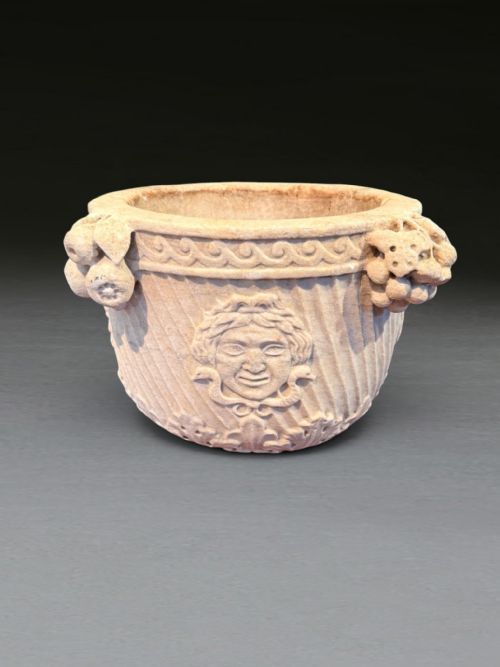
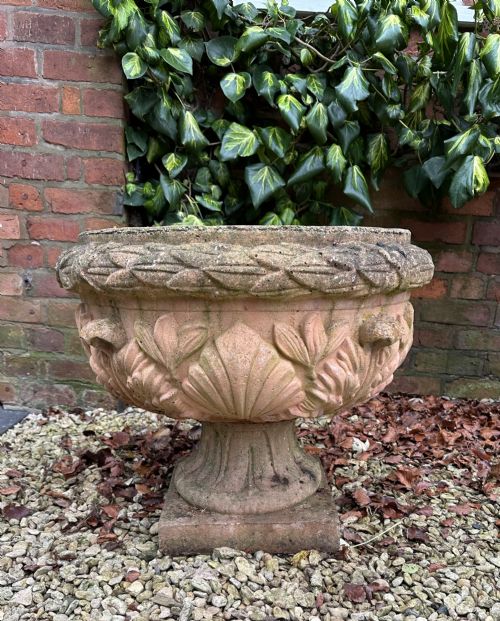
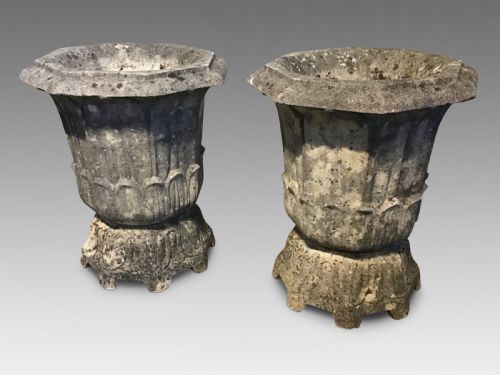
Classical garden pots encompass substantial garden urns, planters, and jardinieres designed for formal outdoor display. When searching for classical garden pots, buyers encounter vessels primarily from the nineteenth century alongside select sixteenth-century and early twentieth-century examples.
The forms span campana urns, gadrooned urns on plinths, and French or Scottish garden containers. These pieces reflect Victorian, neoclassical, and Italian Renaissance styles suited to terraces and garden paths.
How they were made
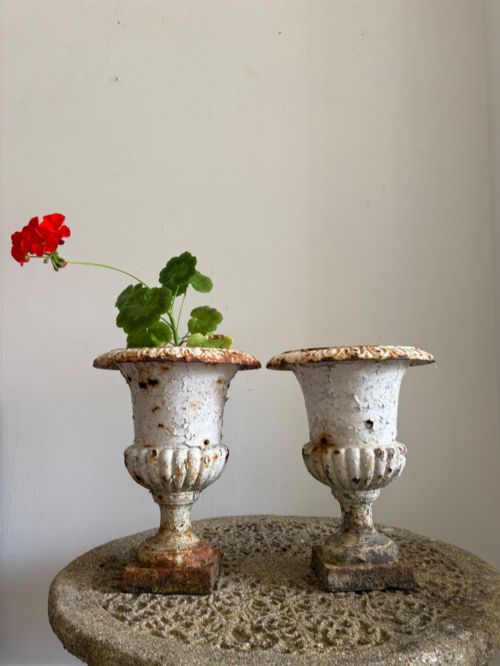
Foundries cast heavy iron into ornate campana and garden urn moulds, often finishing the metal with paint. Masons carved marble and soft stone by hand, producing durable vessels with distinct surface textures.
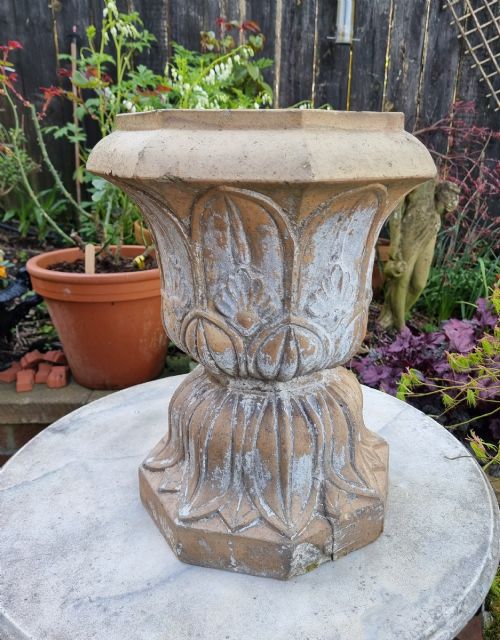
Potters shaped terracotta and reconstituted stone, firing clay to create porous garden planters capable of weathering outdoor elements.
Classical Garden Pots Retail Price Guide 2026
Typical asking prices for classical garden pots among the pieces listed under this phrase on Sellingantiques today, from the lower quarter to the upper quarter. They describe what is for sale here now, not the wider market.
Styles heavily favour Victorian classical revival and French nineteenth-century neoclassical designs.
What varies in quality
The refinement of the casting and carving separates superior vessels from simpler utilitarian forms. Crisp detailing on gadrooning, handles, and classical motifs indicates skilled workmanship.
The integrity of the material and the character of the surface patina determine the visual weight of the piece in a garden setting.
Andrew Handyside
The Classical Garden Pots Glossary
- Campana urn
- A bell-shaped garden vessel with an everted rim and a socle base. This form derives from ancient Roman models popularised during the neoclassical revivals.
- Gadrooned
- Ornamented with a series of convex curves or flutes carved or cast in a radiating pattern. This decorative moulding often encircles the body of an urn.
- Jardiniere
- An ornamental pot or stand designed to hold growing plants or flowers. These vessels often feature classical relief decoration.
- Socle
- A short plinth or pedestal supporting a classical urn or vase. It elevates the vessel and provides stability on terrace floors.
- Terracotta
- Fired unglazed clay exhibiting warm reddish-brown earthen tones. It remains a traditional medium for garden planters and pots.
Classical Garden Pots: Frequently Asked Questions
Are these pots frost resistant?
Cast iron and dense stone vessels withstand cold temperatures effectively when drainage holes remain clear. Terracotta requires monitoring during hard freezes depending on the clay density.
Positioning pots on feet or plinths prevents moisture retention at the base during winter months.
How heavy are cast iron urns?
Cast iron garden urns carry substantial weight due to the density of the metal. Larger examples require multiple people or lifting equipment for safe transport and placement.
This heft ensures the vessels remain stable in exposed garden locations against strong winds.
Where should I place a campana urn?
Campana urns suit formal pathways, terrace entrances, and focal points at the end of garden vistas. Their classical proportions complement architectural stonework and structured planting.
Pairing matching urns creates symmetrical framing for doorways and gate piers.
How do I identify a nineteenth-century piece?
Nineteenth-century vessels show characteristic casting seams, tool marks from hand carving, and authentic surface patination. The weight and composition of the iron, stone, or terracotta align with period manufacturing methods.
Stylistic cues such as Victorian classical revival motifs further indicate the era of production.