



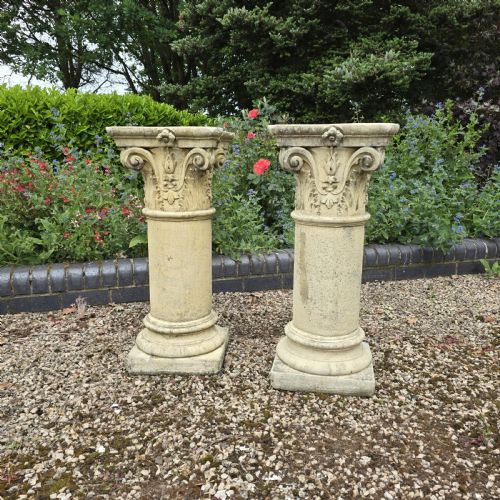


Classical Garden Columns
Classical garden columns bring architectural structure to outdoor spaces, offering enduring forms shaped from stone, cast stone and iron.
Classical Garden Columns
Classical garden columns encompass architectural elements, capitals, and pedestals designed for outdoor settings. Pieces range from Victorian carved stone architectural capitals and nineteenth-century limestone Corinthian capitals to mid-twentieth-century examples.
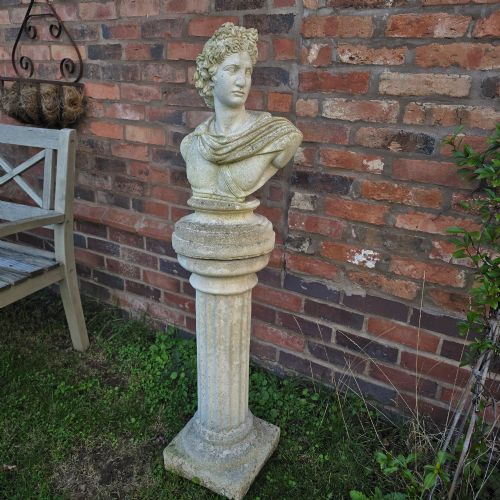
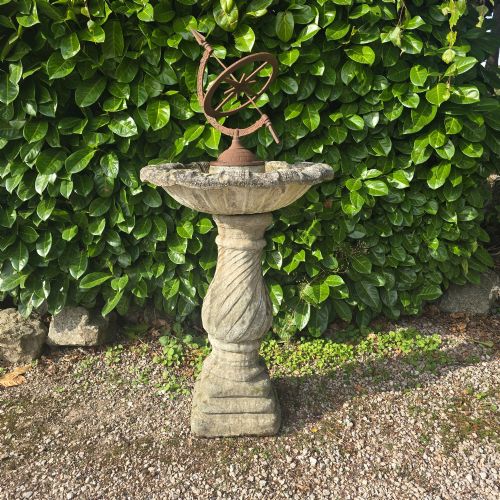
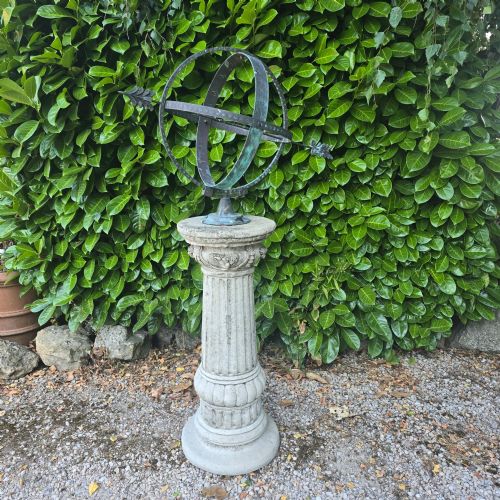
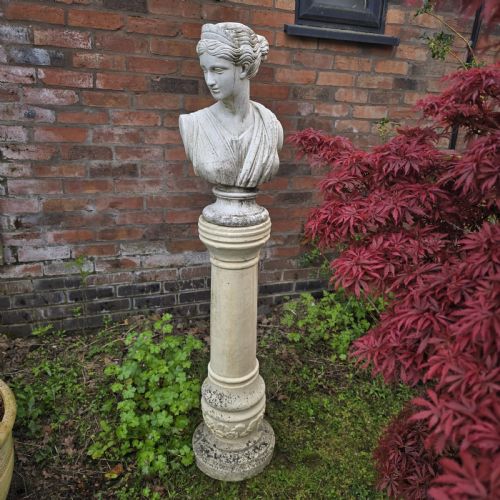
The selections available here emphasise structural stone components alongside related garden statuary like plinths, pedestals, busts, and armillary spheres. Buyers frequently encounter nineteenth-century items alongside pieces dated from the 1920s through to 1950 in styles including neoclassical, traditional English garden, and classical revival.
How they were made
The construction methods rely heavily on traditional stone carving, visible in carved stone architectural capitals and limestone Corinthian capitals originating from the nineteenth century. Artisans shaped these structural components by hand to achieve precise classical orders and acanthus leaf details.
Other items utilise cast stone, reconstituted stone, and concrete, offering durable alternatives for garden ornaments and pedestals. Metal components incorporate cast iron, brass, and bronze, often paired with sundials and armillary spheres.
Classical Garden Columns Retail Price Guide 2026
Typical asking prices for classical garden columns among the pieces listed under this phrase on Sellingantiques today, from the lower quarter to the upper quarter. They describe what is for sale here now, not the wider market.
Several columns double as quiet stages for classical philosophers, keeping steady watch over the herbs while wearing centuries of weather.
What varies in quality
Quality rests in the crispness of the carving and the fidelity of the classical style, separating master-carved capitals from simpler moulded pieces. The depth of relief on Corinthian leaves and the proportion of the shaft determine artistic merit.
Material composition also dictates longevity and visual character, ranging from dense natural limestone to well-weathered reconstituted stone. The natural patina acquired through exposure to the elements enhances the surface appearance of stone and cast iron alike.
The Classical Garden Columns Glossary
- Capital
- The topmost member of a column, dividing the shaft from the structural load above. Corinthian capitals feature elaborate carved acanthus leaves.
- Plinth
- A heavy rectangular block serving as a base for a statue, bust, or column. These elevate garden ornaments above ground level.
- Armillary sphere
- An astronomical model of celestial circles consisting of rings centred on the Earth or sun. These function as decorative garden sundials on pedestals.
- Reconstituted stone
- A manufactured material made from crushed stone and cement binders. It is cast in moulds to replicate natural carved stone.
- Neoclassical
- A style reviving classical Roman and Greek forms. It prioritises symmetry, proportion, and traditional architectural orders.
Classical Garden Columns: Frequently Asked Questions
How do I date an old stone column?
Dating relies on tool marks, weathering patterns, and stylistic adherence to Victorian or twentieth-century revival periods. Examining the specific type of stone or cast aggregate provides further clues.
Architectural context and historical catalogue comparisons help narrow down the decade of manufacture for architectural salvage.
Can these columns support structural weight outdoors?
Many historical capitals and pedestals were carved as structural architectural elements. However, modern placement depends on whether the piece is solid stone or hollow cast material.
Consulting a professional builder ensures safe installation if used to bear actual weight in a garden pavilion or portico.
What is the difference between cast stone and natural limestone?
Natural limestone is quarried rock hand-carved by stonemasons, showing unique geological grain and tool signatures. It develops a distinct weathered surface over centuries.
Cast stone is moulded from an aggregate mixture, allowing repetitive classical ornamentation with uniform composition throughout the piece.
How should I clean weathered garden stone?
Gentle washing with water and a soft-bristle brush removes harmful organic growth while preserving the desirable weathered patina. Avoid harsh chemical cleaners or pressure washers.
Allowing lichen and moss to remain often enhances the antique character of nineteenth-century garden ornaments.