


Classical Floor Light
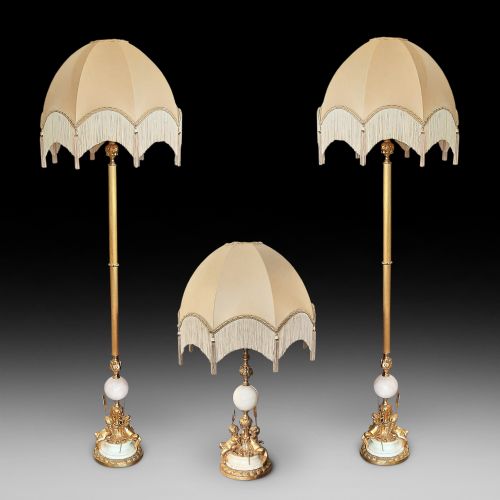
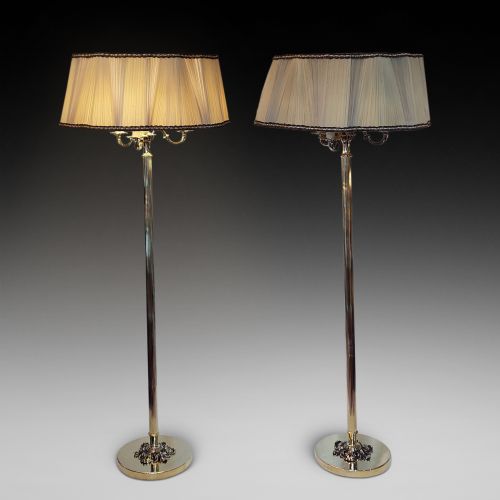
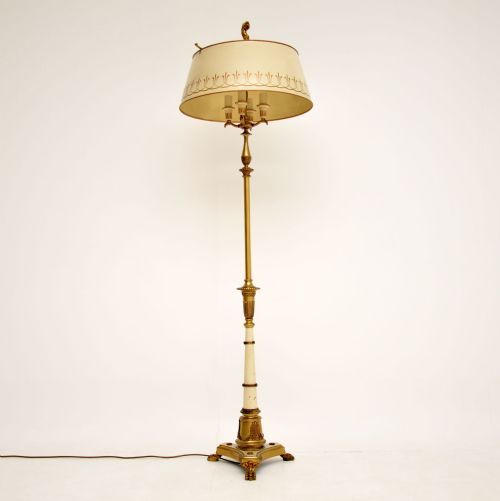
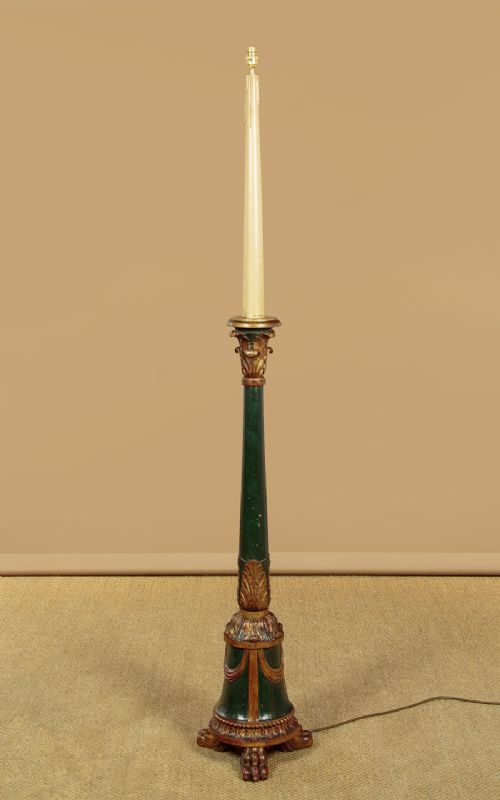
These classical floor light pieces bring towering architectural presence and refined historical styling to a room.
Classical Floor Light
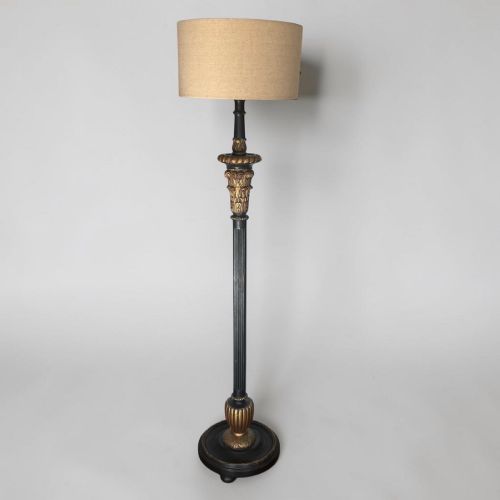
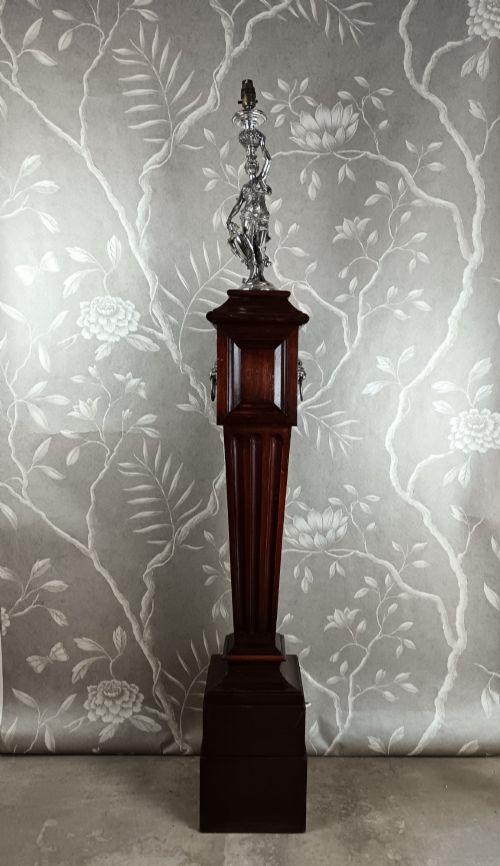
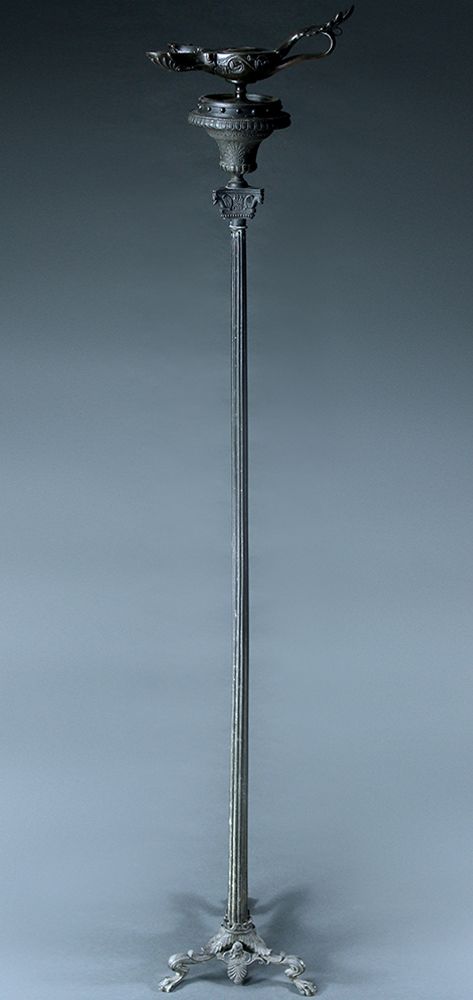
A classical floor light stands as a commanding vertical element, incorporating traditional architectural motifs drawn from Greek and Roman antiquity. Collectors encounter pieces that take the form of tall columns, slender torcheres, or sculptural figural standards designed to illuminate large spaces.
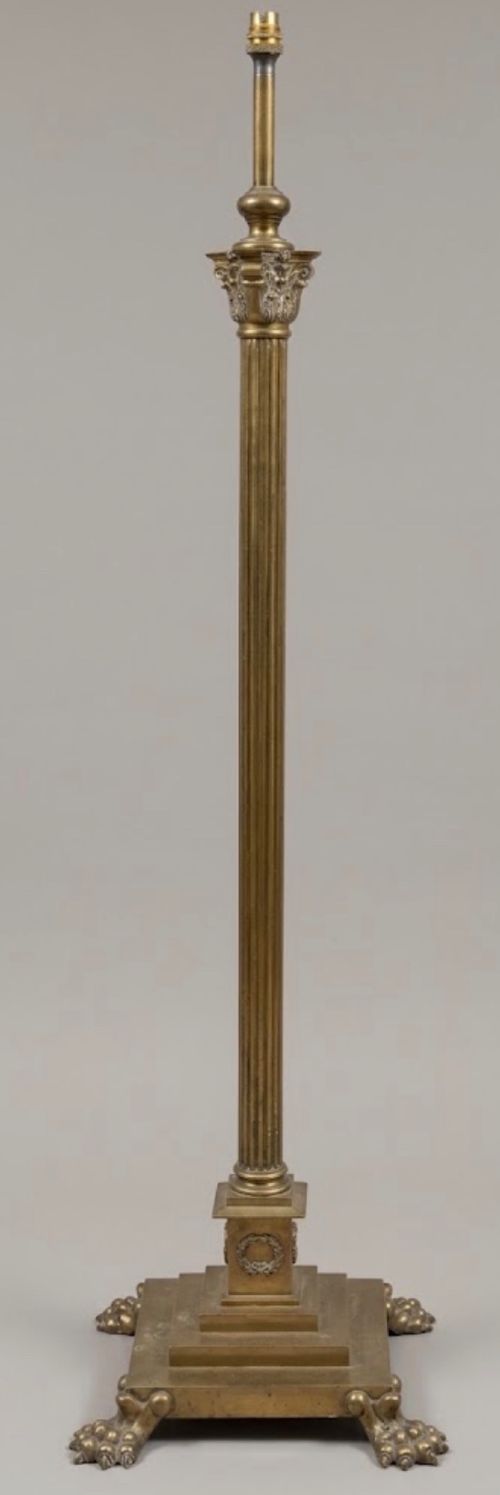
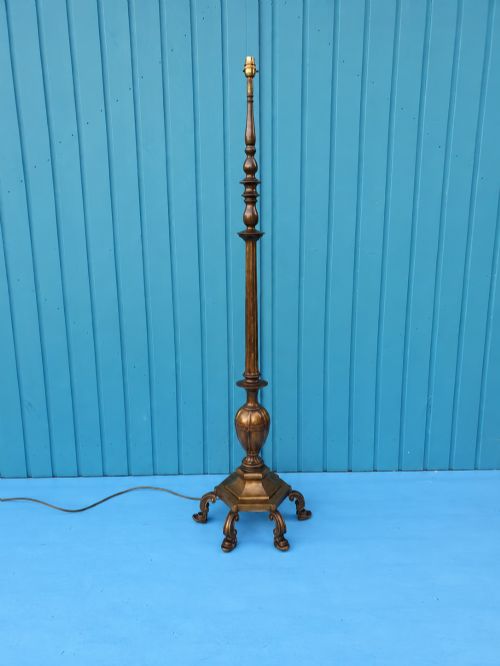
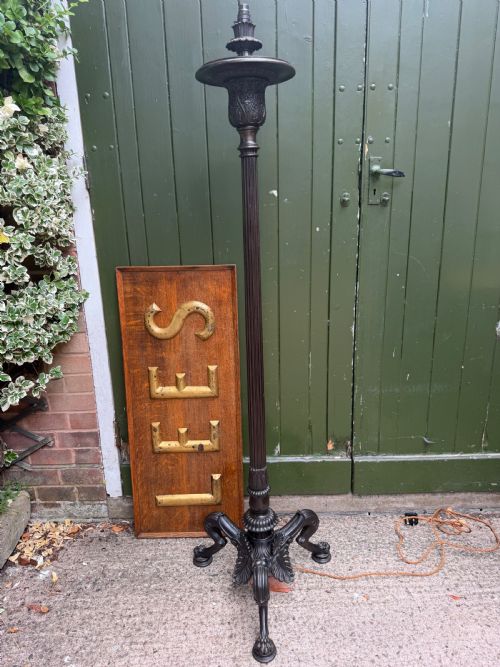
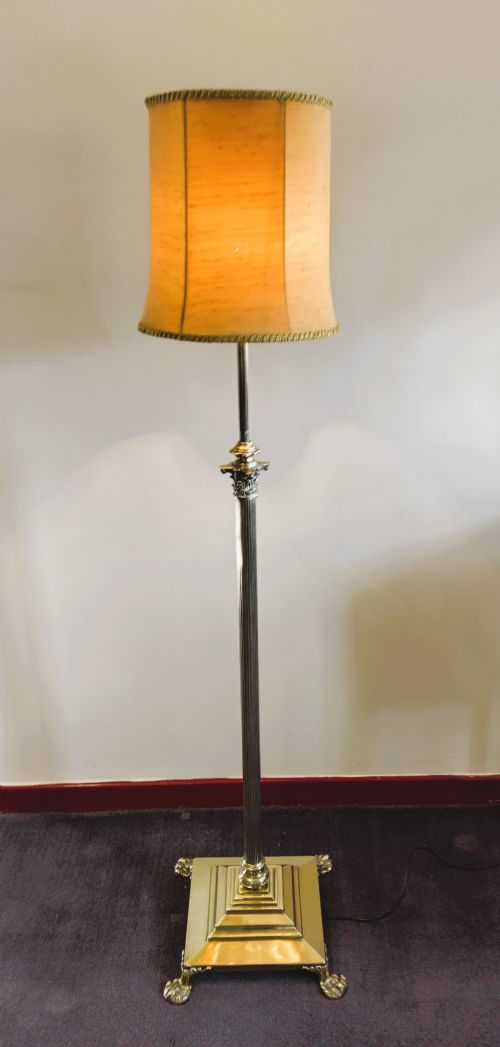
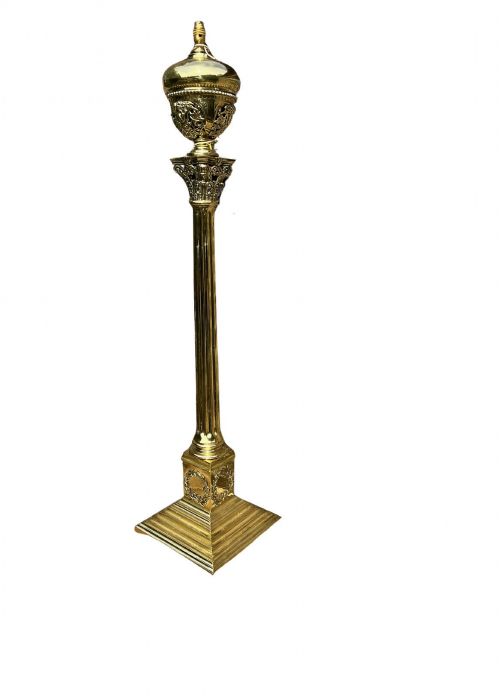
The selection ranges from Victorian and Edwardian brass columns to substantial cast-iron, bronze, and giltwood examples produced across the nineteenth and early twentieth centuries. Makers often adopted Neoclassical Revival, French Empire, and Spanish Revival styles to create these stately floor-standing fixtures.
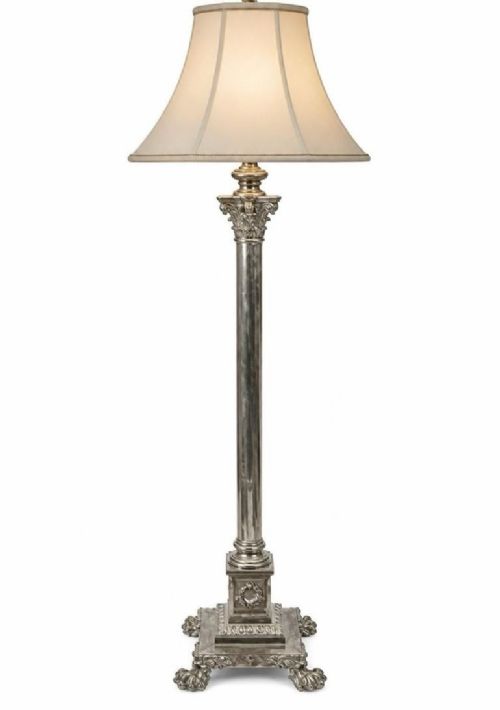
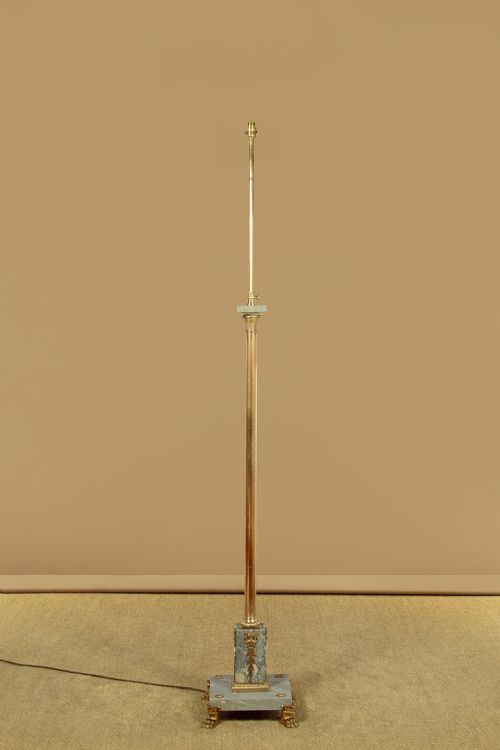
Many of these lamps utilise telescopic mechanisms, allowing the height to be adjusted for reading or ambient room illumination. Forms vary from simple fluted shafts with Corinthian capitals to elaborate stands featuring figural statues and marble bases.
Materials and Construction
Foundry work dominates the construction of these items, utilising cast brass, bronze, patinated cast-iron, and silver-plate to form rigid structural columns and decorative bases. Artisans frequently employed parcel gilt and giltwood techniques, applying gold leaf to carved wooden surfaces to catch the light.
Stonework and mineral elements appear in heavier pieces, incorporating marble pedestals and Spanish alabaster sections that provide stability and textural contrast to the metal shafts. Wiring and fittings were integrated into these rigid vertical forms, often alongside fabric shades.
Classical Floor Light Retail Price Guide 2026
Typical asking prices for classical floor light among the pieces listed under this phrase on Sellingantiques today, from the lower quarter to the upper quarter. They describe what is for sale here now, not the wider market.
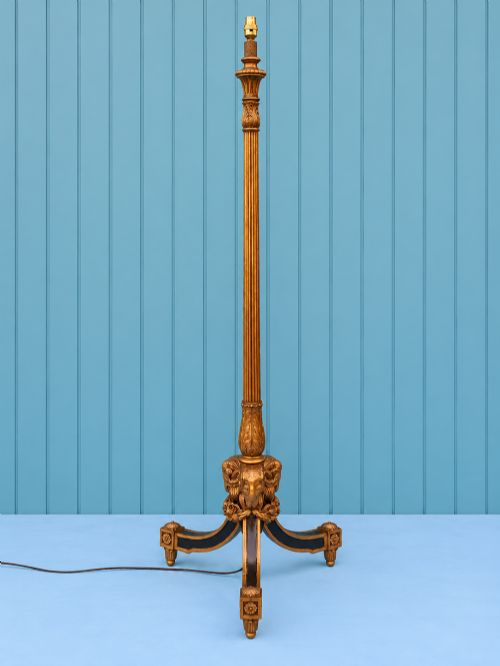
Some Edwardian brass standards feature cast rams' heads peering out to steady the column, watching over the room.
Assessing Quality and Execution
Quality reveals itself in the crispness of the cast details, such as the acanthus leaves on a Corinthian capital or the precision of applied rams' heads and figural statuary. Heavier, solid metals and dense carved timbers distinguish superior examples from lighter, hollow construction.
The integrity of the structural joinery and the smoothness of any telescopic adjustment mechanism demonstrate the care taken by the original workshop. Finer pieces maintain original patination on the bronze and brass surfaces, showing uncompromised surface treatment.
WMF·Humphrey Hopper·F. De Luca·François-Christophe-Armand Toussaint·Coutan
The Classical Floor Light Glossary
- Torchere
- A tall stand or floor lamp designed to hold a light source high above the ground. These fixtures often mimic classical columns or feature figural supports.
- Corinthian column
- A classical pillar style characterised by ornate capitals decorated with carved acanthus leaves. This motif appears frequently on nineteenth-century brass standard lamps.
- Telescopic
- A design incorporating nested tubular sections that permit the overall height of the standard lamp to be raised or lowered. This mechanical feature is common in Victorian reading lamps.
- Giltwood
- Timber that has been coated with a thin layer of gold leaf or gold paint. It provides a reflective surface that complements classical interior schemes.
Classical Floor Light: Frequently Asked Questions
Where should I place a floor lamp?
These tall fixtures suit corners of reception rooms or beside heavy seating where they provide functional illumination and vertical balance. Their architectural presence fills empty vertical space effectively.
Ensure the heavy base rests on stable flooring, as materials like marble and cast metal add significant weight to the structure.
How do I identify a Victorian standard lamp?
Victorian examples frequently utilise heavy brass Corinthian columns or patinated cast-iron with classical Grecian ornamentation. Telescopic height adjustment is a common feature on reading lamps from this period.
Examine the casting quality of decorative elements such as capitals and bases to confirm the period style.
What materials were used for these lamps?
Workshop production relied heavily on metals like brass, bronze, silver-plate, and cast-iron for structural shafts and decorative mounts. Timber, giltwood, marble, and alabaster also feature prominently in bases and columns.
Fabric elements typically form the shades accompanying these tall standards.
Are these lamps adjustable?
Many nineteenth and early twentieth-century examples incorporate telescopic columns that allow you to alter the height. This mechanism was designed to direct light downward for specific tasks.
Fixed-height standards remain common, particularly among figural torcheres and heavily carved wooden designs.