
Classical Desk Lamps
These classical desk lamps bring architectural dignity and warm task light to a room through centuries of traditional metalwork and stone.
Classical Desk Lamps
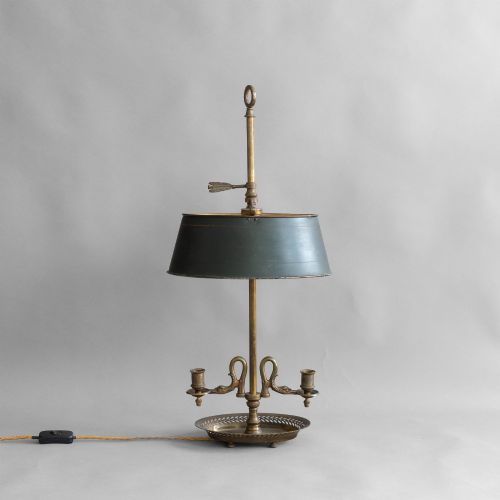
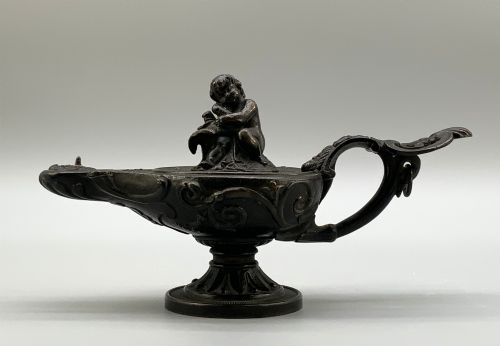
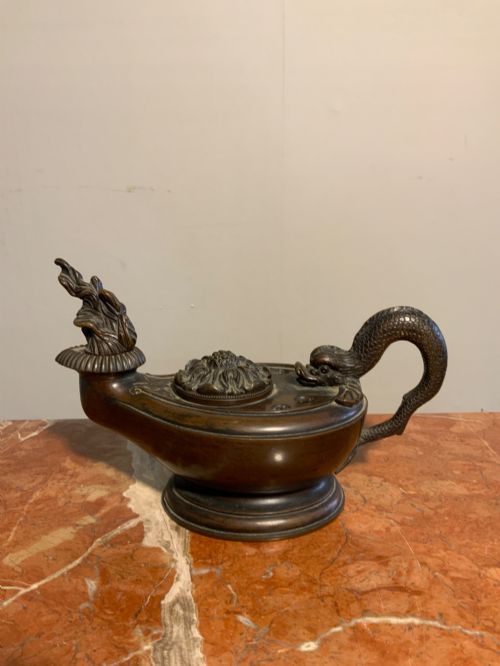
When you search for classical desk lamps, you encounter lighting fixtures rooted in neoclassical, Victorian, and Edwardian design traditions. These pieces often take the form of table lamps, converted oil lamps, or even inkwells adapted for modern illumination.
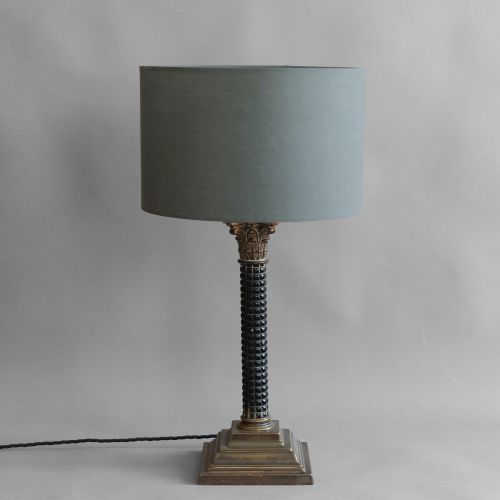
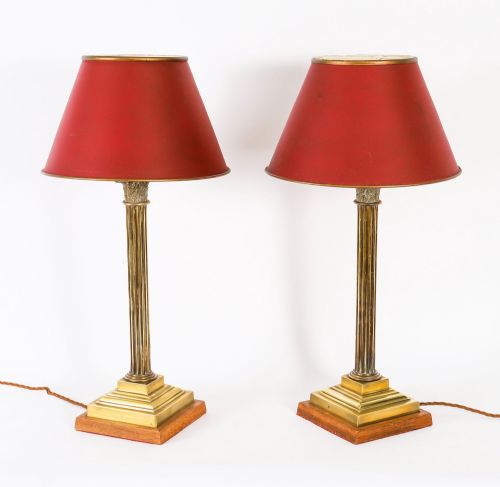
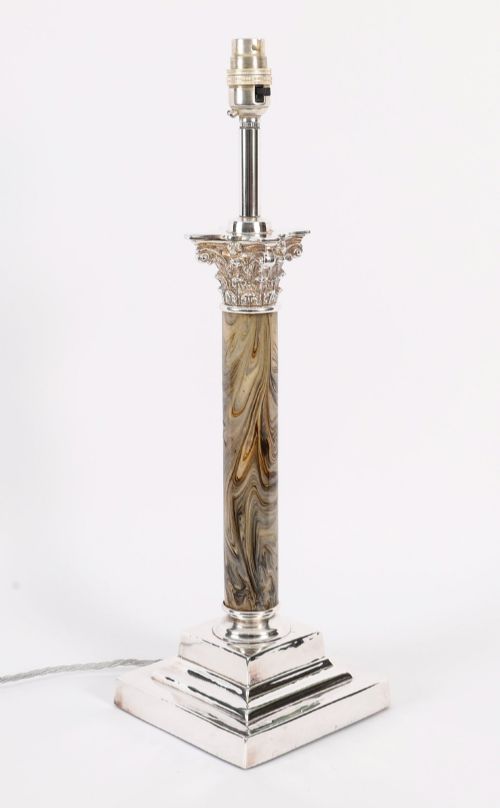
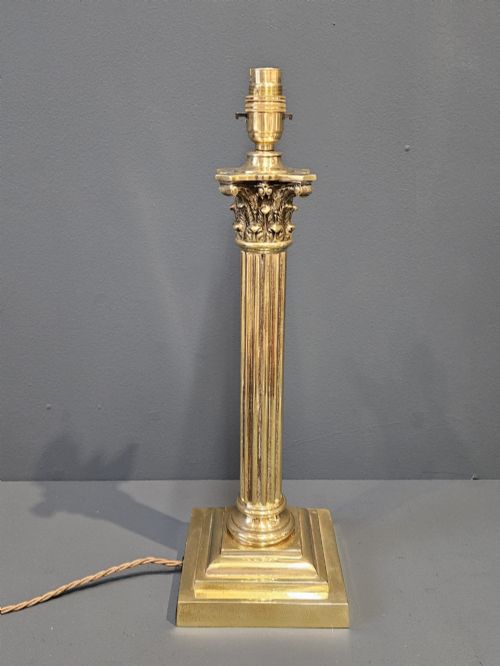
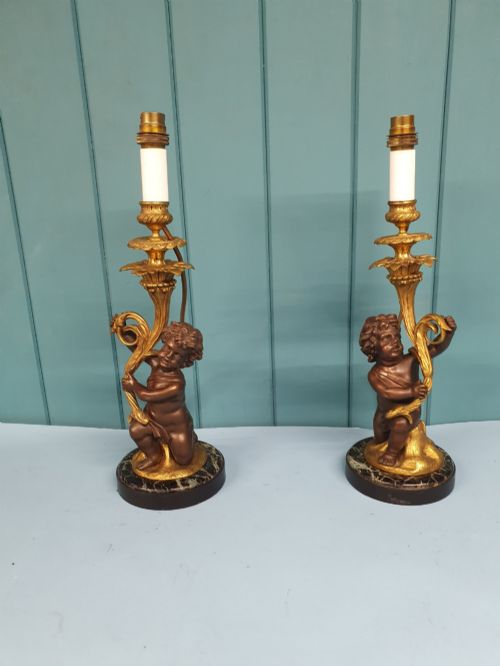
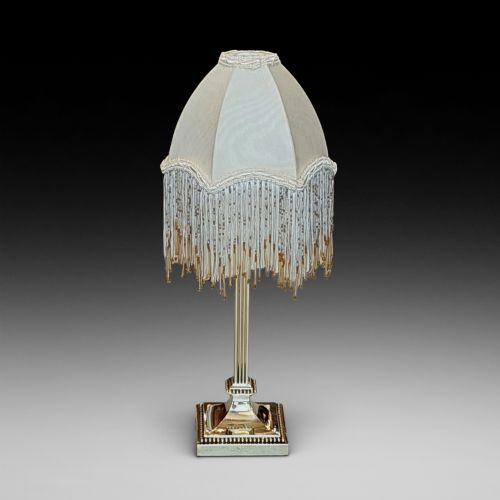
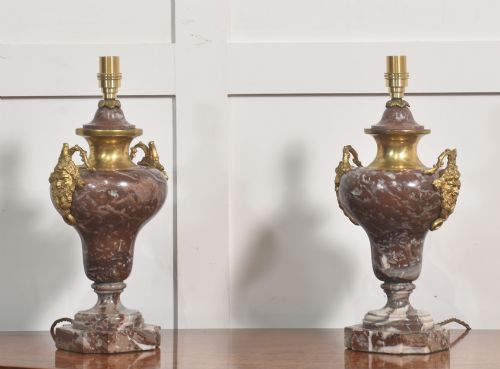
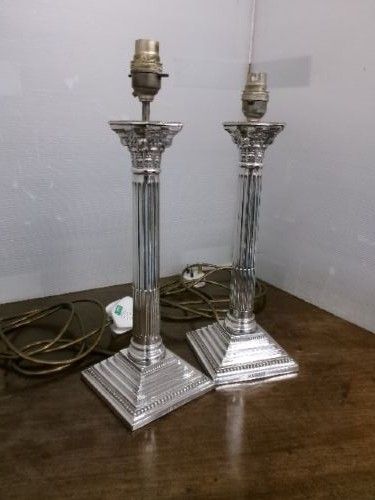
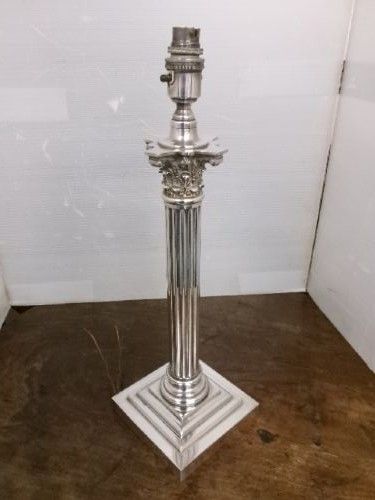
The selections available here rely heavily on architectural motifs, drawing from ancient Greece and Rome through column forms and figural bronzes. You will frequently find brass Corinthian columns alongside marble and gilt bronze assemblies.
Originating largely from British and French workshops, these lamps span the nineteenth and early twentieth centuries. They bridge the gap between functional desk lighting and substantial decorative objects.
Materials and construction
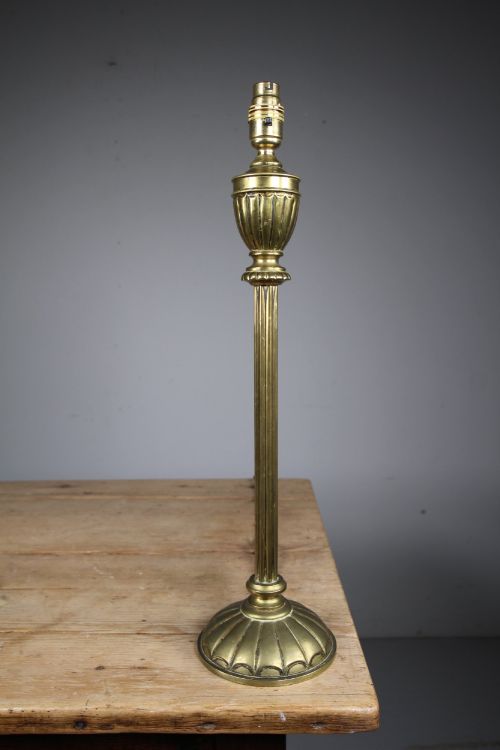
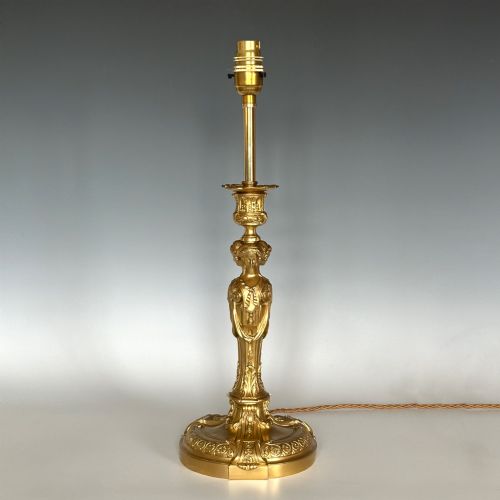
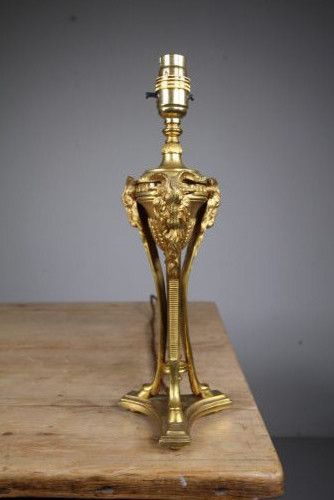
Foundry cast metals dominate the category, utilising brass, bronze, and ormolu alongside silver-plated components. Artisans shaped these metals into reeded columns, cherubs, and classical mounts.
Stonework provides substantial weight and contrast, incorporating white marble, rouge marble, and alabaster in bases and body urns. Some models pair these minerals with glass shades and fabric elements.
Many examples began life as oil lamps or candelabra before undergoing later conversion to electricity. This adaptation preserves antique metalwork while accommodating contemporary wiring standards.
Several lamps on this page started life casting light via whale oil or candles before enjoying a second career tethered to the National Grid.
Judging the standard
The refinement of the casting work separates standard production from exceptional pieces. Sharp detail in bronze figures, crisp fluting on columns, and clean chasing on ormolu distinguish superior examples.
The selection and treatment of natural materials also drive quality differences. Solid marble blocks, rich patination on aged bronze, and heavy gauge silver plating indicate deliberate craftsmanship.
Provenance and documented origin play a role in distinction, particularly with Grand Tour items and signed works. The integrity of the original components largely determines the overall character.
G. Amodio·L & F Moreau
The Classical Desk Lamps Glossary
- Corinthian column
- A classical architectural support featuring an ornate capital decorated with acanthus leaves. This motif appears frequently on nineteenth-century brass and silver-plated bases.
- Grand Tour
- A cultural journey undertaken by wealthy Europeans in the eighteenth and nineteenth centuries to study classical antiquities. Souvenirs from these trips often took the form of bronze sculptures and oil lamps.
- Ormolu
- Gilded bronze produced by applying a mercury and gold amalgam to cast bronze. This technique imparts a rich, warm golden finish seen on French neoclassical mounts.
- Patinated bronze
- Metal treated with chemical solutions to produce a controlled aged surface colour. This finish highlights sculptural detail on figures and cherubs.
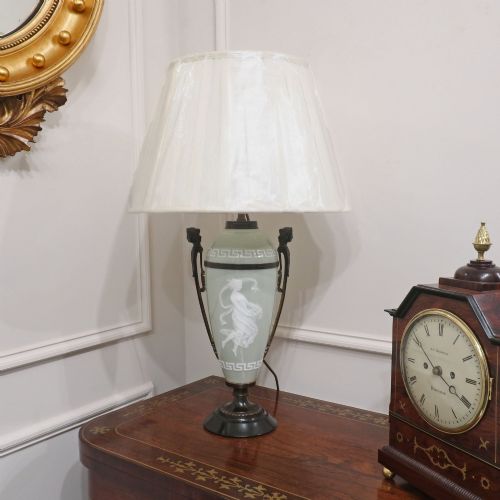
- Pate sur pate
- A ceramic decorating technique where wet white porcelain slip is painted onto a coloured clay body in layers. This process creates a raised, cameo-like relief effect.
Classical Desk Lamps: Frequently Asked Questions
How do I date a brass lamp?
Examine the construction methods, screw threads, and base weighting to establish age. Nineteenth-century examples often feature heavier sand castings and hand-finished components.
Compare the style of the column and ornamentation to known architectural periods. Victorian and Edwardian brass pieces display distinct manufacturing marks and patination that develop over decades.
Can antique lamps be rewired safely?
Most antique lamps require rewiring to meet modern electrical safety standards. Professional electricians can install contemporary flex and lampholders while preserving the historic body.
Ensure that the original brass or bronze components remain unaltered during the rewiring process. This maintains the physical integrity and historical value of the piece.
What is a Grand Tour lamp?
Grand Tour lamps are antique bronze or marble pieces inspired by classical archaeological discoveries in Italy. Travellers collected these miniature sculptures and oil lamps as educational mementoes.
These items often depict mythological figures, ancient ruins, or replica artefacts from Pompeii. They bring a scholarly, neoclassical aesthetic to a study or desk.
How do I clean marble and brass?
Dust marble components regularly with a soft, dry cloth to prevent grime accumulation. Avoid harsh chemical cleaners that can etch the polished stone surface.
Leave patinated brass and bronze unpolished to retain their historic character. Modern metal polishes can strip away desirable age-related colour.