




Classical Design Table
A classical design table brings order and proportion to a room, using enduring architectural forms derived from antiquity.
Classical Design Table
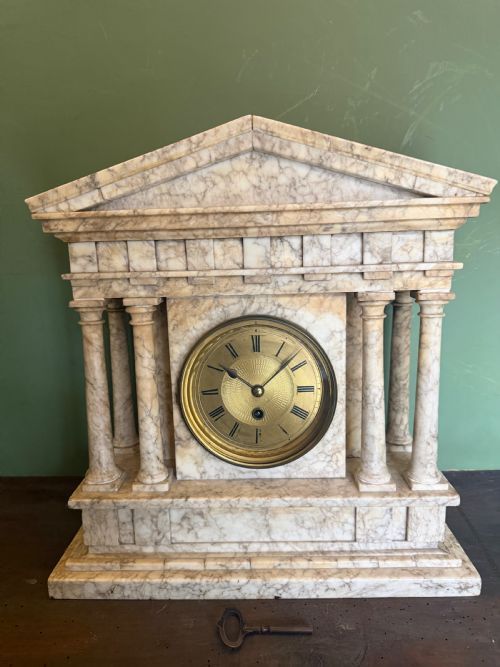
A classical design table encompasses dining tables, console tables, side tables, and occasional hall tables spanning from the eighteenth century to the early twentieth century. These furnishings draw upon Neoclassical Revival, Regency, Georgian, Greco-Roman, and French Empire styles, reflecting historical architectural vocabulary in domestic furniture.
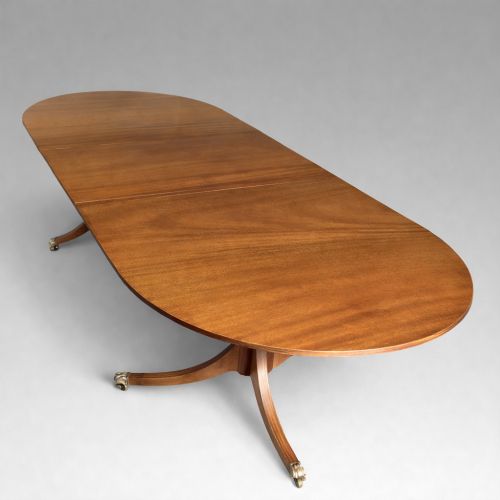
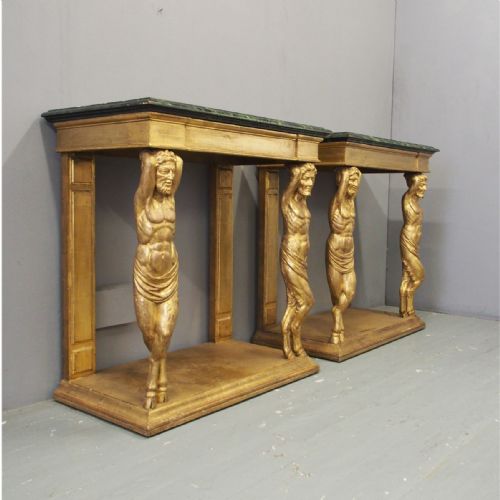
The pieces appearing on this page range from grand George III elliptical pier tables and George IV mahogany console tables to twin pillar dining tables and inlaid occasional tables. Makers and designers looked to ancient precedents, producing furniture that balances utility with strict geometric symmetry and restrained ornamentation.
How they were made
Cabinet makers utilised dense timbers such as mahogany, often incorporating boxwood inlay and marquetry work to define borders and surface decoration. Construction relies on traditional joinery methods suited to large dining surfaces and delicate pier tables alike.
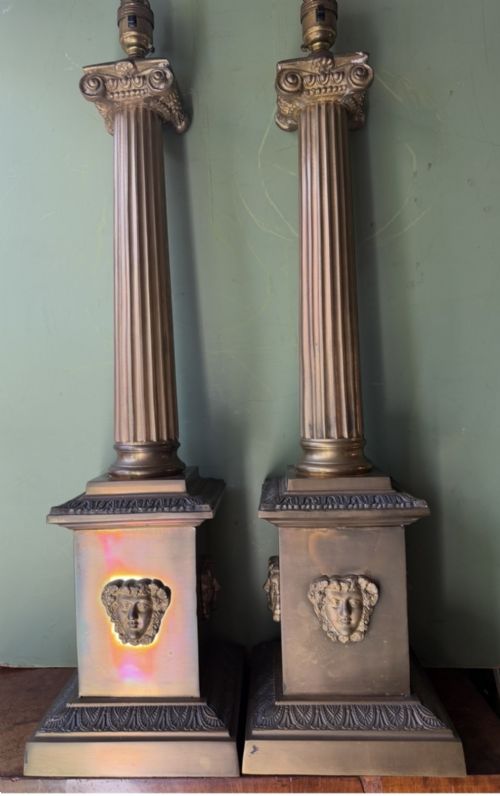
Metalwork played a significant role, with patinated bronze, gilded ormolu, and brass utilised for mounts, candelabra elements, and table lamp bases. Materials like marble and fine fabrics such as silk also feature in the construction of lamps and surfaces.
Classical Design Table Retail Price Guide 2026
Typical asking prices for classical design table among the pieces listed under this phrase on Sellingantiques today, from the lower quarter to the upper quarter. They describe what is for sale here now, not the wider market.
Listings feature mahogany, brass, patinated bronze, and boxwood inlay across pieces spanning the Georgian period to the early twentieth century.
What varies in quality
Quality rests in the precision of the cabinet work, the crispness of the bronze casting, and the fidelity of the historical revival style. Finer examples display meticulous timber selection and sophisticated inlay work rather than purely decorative surface application.
The execution of classical proportions and the integration of secondary materials, such as ormolu mounts and marble tops, separate standard production pieces from those executed with higher craftsmanship.
George Hepplewhite·Robert Adam
The Classical Design Table Glossary
- Pier table
- A table designed to stand against a wall, typically between two windows beneath a pier glass mirror.
- Console table
- A table supported by wall brackets or console legs, functioning as a decorative side or hall piece.
- Ormolu
- Gilded bronze ornamentation applied to furniture and lighting, popular in French Empire and neoclassical design.
- Marquetry
- Inlaid wood designs forming decorative patterns across table tops and cabinet surfaces.
- Campana
- A vase or vessel shape resembling an inverted bell, frequently referenced in classical design wine coolers.
Classical Design Table: Frequently Asked Questions
What defines a classical design table?
A classical design table incorporates architectural elements, symmetrical proportions, and decorative motifs inspired by ancient Greek and Roman art. These pieces rely on straight lines, columns, and refined ornamentation rather than elaborate curving baroque flourishes.
Such furniture bridges historic architectural styles and domestic interior decoration, maintaining a formal presence within a room.
How do I style a console table?
A console table works best placed flat against a hallway or living room wall, often beneath a mirror or artwork. Its shallow depth provides a surface for lighting, such as a brass table lamp, without obstructing movement.
Keeping the arrangement balanced maintains the architectural focus inherent to classical design furniture.
How do I identify a Regency table?
Regency tables typically display restrained classical ornament, dark mahogany timbers, and brass details reflecting early nineteenth-century tastes. Look for architectural motifs such as reeded legs, paw feet, and geometric brass inlay.
These characteristics separate Regency pieces from heavier Victorian items or lighter eighteenth-century furniture.
Are these tables suitable for daily use?
Solid mahogany dining and side tables are built for practical domestic application, utilising robust joinery and durable timber. Regular use requires standard furniture care, including coasters and gentle polishing to protect the timber and inlay.
Occasional tables and delicate pier tables benefit from mindful placement away from direct heat sources and moisture.