



Classical Ceramic Lamps
Classical ceramic lamps bring sculptural form and rich glaze to a room, offering warm light through porcelain, majolica, and ormolu mounts.
Classical Ceramic Lamps
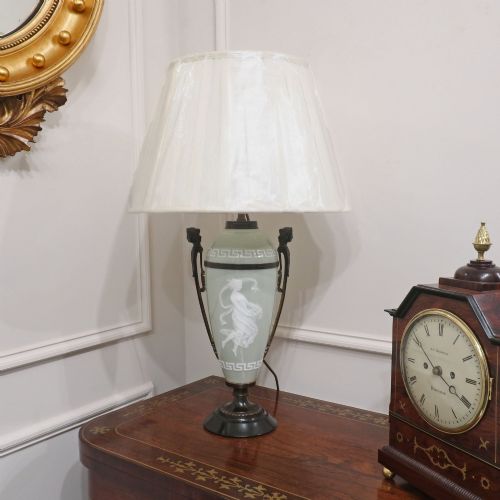
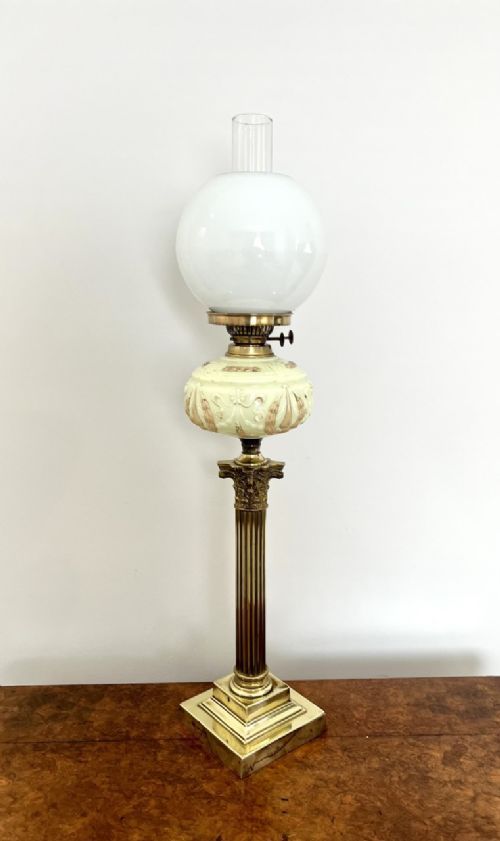
Classical ceramic lamps combine refined pottery with lighting utility, drawing heavily on neoclassical, Victorian, and Renaissance revival idioms. When exploring classical ceramic lamps, a buyer encounters table lamps and converted oil lamps shaped from porcelain, majolica, and faience. These pieces originate across the nineteenth and early twentieth centuries, spanning French, Italian, and English workshops.
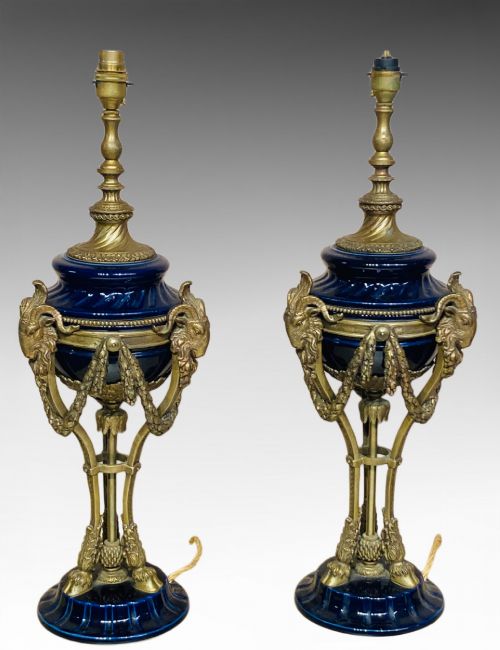
The common form on this page is the porcelain table lamp, often elevated by ormolu, brass, or gilt bronze mountings. Many examples utilise hand-painted decoration, blue and white glazes, or pate sur pate techniques on bodies dating from the eighteen-fifties onward. Pairs and single larger vases converted to electricity appear frequently among the listings.
How they were made
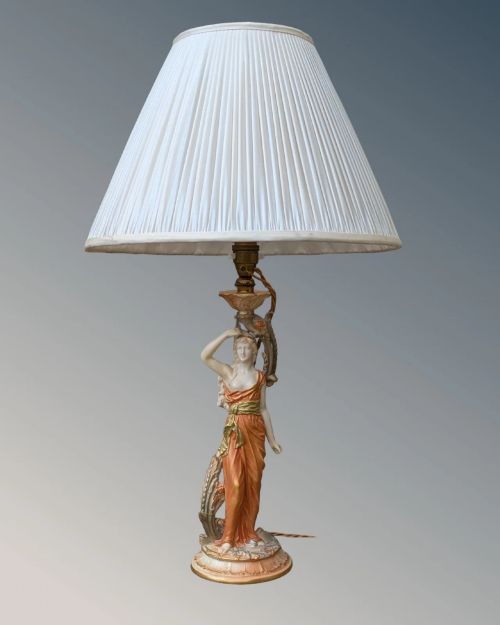
Maker's hands shaped these bodies from fine ceramic, porcelain, or majolica, applying detailed hand-painting and glazes before firing. Artisans then fitted metal elements such as brass, bronze, and ormolu mounts to secure the ceramic base and hold the burner or lamp hardware.
Workshops constructed these lamps to serve as functional lighting or decorative urns, occasionally adapting nineteenth-century vases or oil lamps for electrical use later in the twentieth century. Fabric shades often complete the structure, resting above the decorated ceramic columns and porcelain figures.
Classical Ceramic Lamps Retail Price Guide 2026
Typical asking prices for classical ceramic lamps among the pieces listed under this phrase on Sellingantiques today, from the lower quarter to the upper quarter. They describe what is for sale here now, not the wider market.
Listings feature materials spanning porcelain, majolica, brass, bronze, ormolu, and fabric across the nineteenth and twentieth centuries.
What varies in quality
Quality rests upon the crispness of the ceramic moulding and the precision of the hand-painted detail across the body. Superior examples display refined pate sur pate work, meticulous hand-painting, and heavy, well-chased ormolu or gilt bronze mounts rather than simpler brass fittings.
The integration of the ceramic body with its metal mounts dictates the overall cohesion of the piece. Finer items maintain proportional balance between the glazed pottery and the supporting base, whereas lesser pieces show heavier, less articulate construction.
Samuel Alcock·Royal Worcester
The Classical Ceramic Lamps Glossary
- Ormolu
- Gilt bronze mounted on decorative objects. This technique adds a bright metallic border to the ceramic base.
- Majolica
- Opaque tin-glazed earthenware decorated with colourful pigments. Italian makers utilised this glaze for vibrant table lamps.
- Pate sur pate
- A porcelain manufacturing technique where a relief design is built up in successive layers of liquid clay. This creates a cameo effect against a contrasting ground.
- Sevres style
- A decorative manner imitating the famous French porcelain factory. Pieces often feature rich blue glazes and hand-painted gilt highlights.
- Neoclassical
- A design style inspired by the classical art and architecture of ancient Greece and Rome. It informs the balanced shapes and decorative motifs of these lamps.
Classical Ceramic Lamps: Frequently Asked Questions
Are these lamps converted from oil lamps?
Many examples began life as nineteenth-century oil lamps or decorative vases before receiving modern electrical wiring.
Conversion methods varied, but original ceramic bodies and metal fonts remain intact beneath the modern fittings.
How do I identify a French neoclassical lamp?
French neoclassical lamps typically feature symmetrical porcelain bodies, classical motifs, and ormolu mounts influenced by Louis XVI design.
Such pieces often rely on restrained colour palettes and formal proportions characteristic of nineteenth-century Parisian workshops.
What maintenance do ceramic lamps need?
Gentle dusting with a dry cloth protects the hand-painted glaze and gilt bronze mounts from unnecessary wear.
Harsh chemical cleaners should be avoided to preserve the integrity of nineteenth-century porcelain surfaces.
How do I style a large table lamp?
Large ceramic lamps serve well as focal points on sturdy sideboards, consoles, or heavy wooden desks.
Their substantial height and decorated bases require balanced placement away from busy wall patterns.