


Classical Carved Table
A classical carved table brings architectural dignity and ancient proportion into a room through disciplined ornamentation and rich timber.
Classical Carved Table
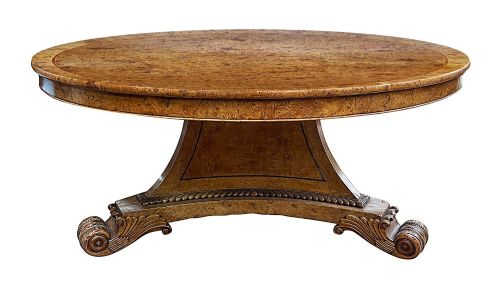
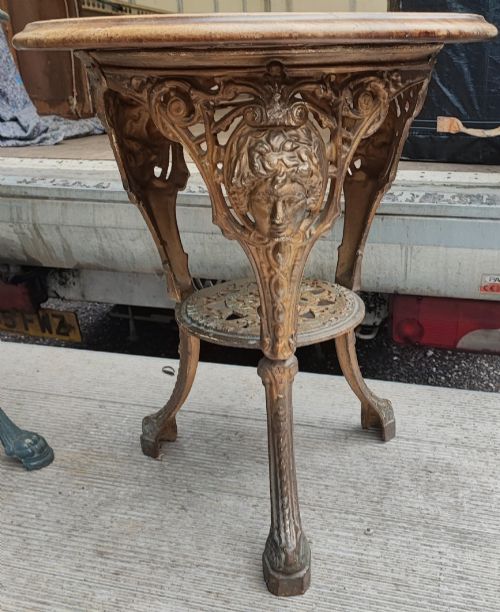
A classical carved table encompasses console tables, centre tables, serving tables, and side tables shaped by the design grammar of antiquity. When searching for a classical carved table, buyers encounter forms that draw upon Regency, Victorian, and Edwardian revivals alongside Italian and French neoclassical traditions.
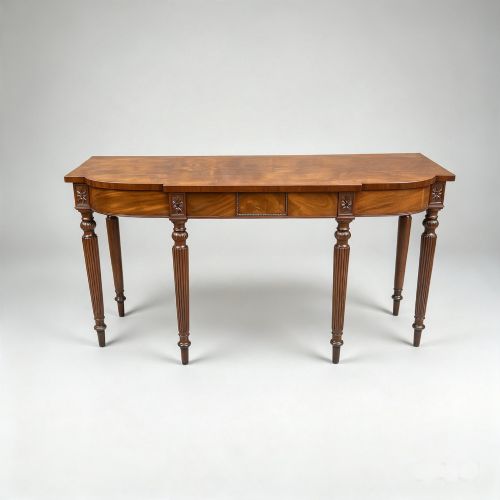
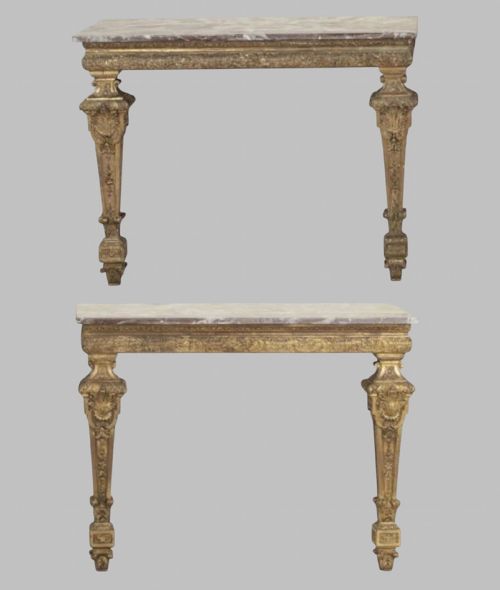
The console table dominates the selection, frequently paired with marble tops and giltwood frames. Centre tables and bedside tables also appear, employing mahogany, oak, and painted finishes to achieve architectural presence.
Materials and construction
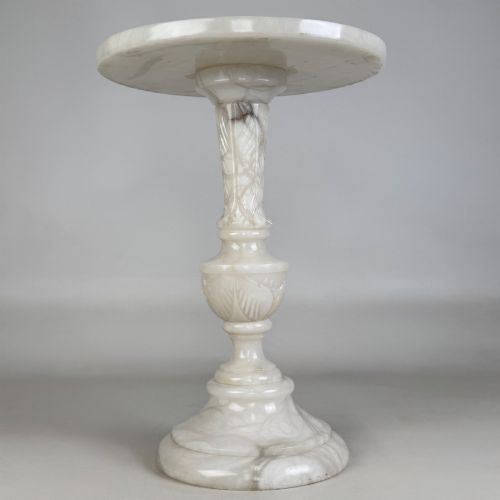
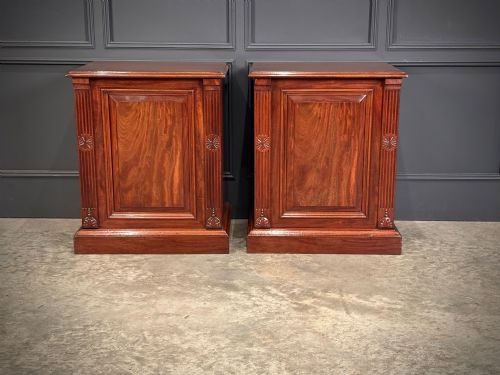
Makers utilised dense timbers such as mahogany and oak as the foundational structure for these tables, often pairing them with imported decorative elements. Marble, granite, and rouge marble slabs form heavy, polished tops that rest upon carved wooden bases.
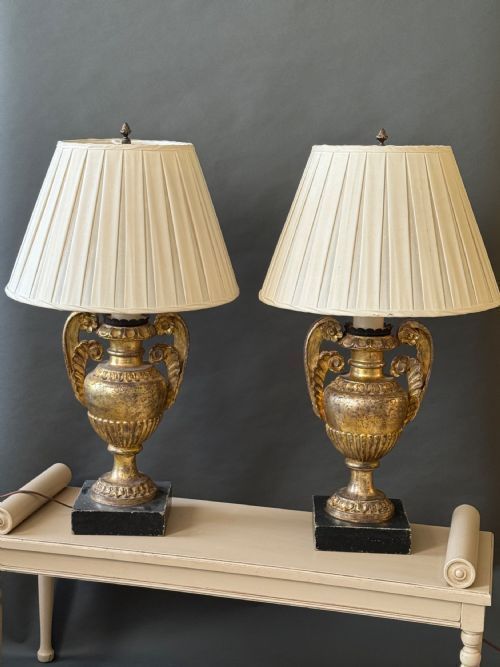
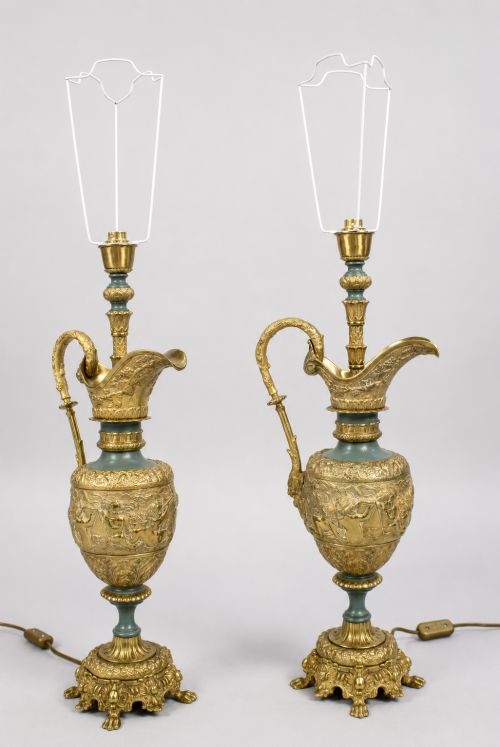
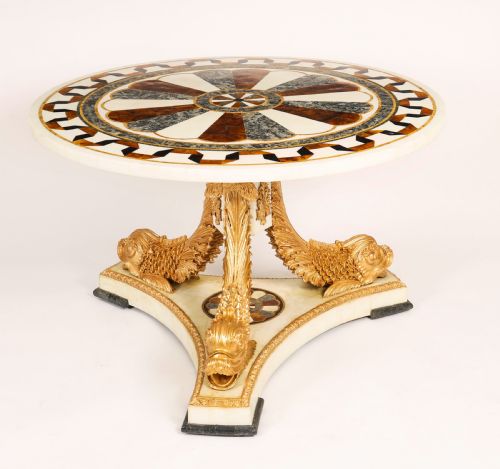
Giltwood, gesso, and gilt bronze provide the surface ornamentation characteristic of neoclassical and Regency pieces. Carving and gilding are applied directly to timber or gesso grounds, creating contrast against the dark mahogany or painted surfaces.
Classical Carved Table Retail Price Guide 2026
Typical asking prices for classical carved table among the pieces listed under this phrase on Sellingantiques today, from the lower quarter to the upper quarter. They describe what is for sale here now, not the wider market.
Listings on this site feature classical carved table designs spanning the 18th, 19th, and early 20th centuries, executed in mahogany, oak, and marble.
Distinctions in quality
The refinement of the carving dictates the upper tier of these pieces, where depth and undercut detail replace superficial surface scoring. Superior examples integrate structural joinery with crisp ornamentation, maintaining proportion across every console and centre table.
The selection of materials creates a clear division between standard and exceptional pieces. Heavy Siena or rouge marble tops, genuine fire-gilded bronze mounts, and dense Cuban mahogany elevate a table far above those constructed from secondary timber and plaster composition.
P and MA Nicholson·Walker and Hall·JACOB·Alexander McKenzie of Glasgow
The Classical Carved Table Glossary
- Neoclassical
- A style spanning the 18th and 19th centuries that revives the architectural motifs of ancient Greece and Rome. It relies on symmetry, straight lines, and classical ornament such as acanthus leaves and fluting.
- Console table
- A table designed to stand against a wall, frequently supported by wall brackets or two front legs. These tables often feature elaborate carved frames and stone tops.
- Giltwood
- Timber that has been coated with a thin layer of gold leaf or powder over a prepared ground. It provides a luminous, reflective surface on carved mouldings and table frames.
- Centre table
- A freestanding table intended to occupy the middle of a room rather than sit against a perimeter wall. They are finished on all sides and often incorporate circular or shaped marble inserts.
- Rouge marble
- A deep red, variegated limestone prized for decorative table tops during the 19th century. Its complex natural veining contrasts sharply with gilded and dark timber bases.
Classical Carved Table: Frequently Asked Questions
How do I identify a neoclassical console table?
Neoclassical console tables display straight tapered legs, architectural friezes, and carved motifs borrowed from Greek and Roman antiquities. They frequently combine heavy marble tops with carved giltwood or painted wooden bases.
Look for structural symmetry and restrained ornamentation that avoids the heavy curves found in later Victorian furniture.
Where should I place a centre table?
Centre tables are designed to stand free in the middle of a room, allowing access from all sides. They serve as focal points for entrance halls or large reception rooms.
Ensure there is adequate circulation space around the piece to appreciate its finished timber and stone top.
What is the difference between mahogany and giltwood?
Mahogany is a dark, durable tropical hardwood valued for its rich grain and structural strength in cabinetmaking. Giltwood is timber coated with gold leaf to produce a bright, decorative surface finish.
Many tables combine both materials, using mahogany for the main frame and giltwood for carved decorative highlights.
How do I care for a marble table top?
Marble tops require protection from acidic substances such as wine, citrus, and vinegar, which can etch the polished surface. Wipe spills promptly using a damp cloth and neutral soap.
Apply a specialist stone wax periodically to maintain the sheen and guard against staining.