




Classical Bronze Study
A classical bronze study captures the enduring weight of antiquity in metal, offering collectors a tangible piece of sculptural history for the desk or cabinet.
Classical Bronze Study
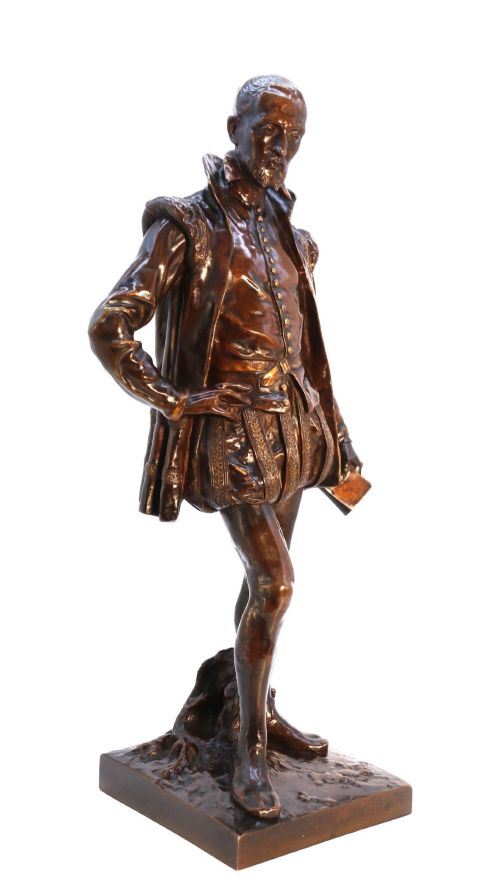
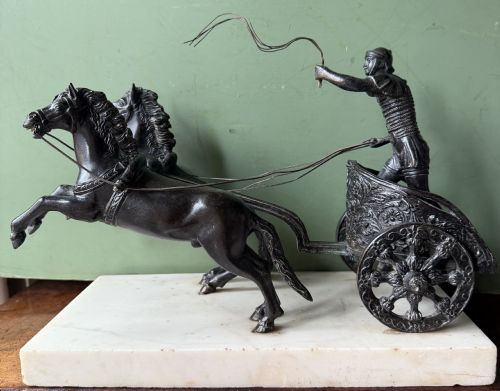
A classical bronze study represents a sculptural work modelled on ancient figures, mythological subjects, or historical portraits, often created as Grand Tour souvenirs or academic pieces. These objects range from small busts of deities and emperors to full figures of charioteers, wrestlers, and mythological beings.
The versions most commonly found here originate from the nineteenth century, reflecting the period's intense fascination with classical antiquity and academic realism. Many examples draw directly from famous antiquities discovered in Italy, translating monumental sculpture into a portable scale.
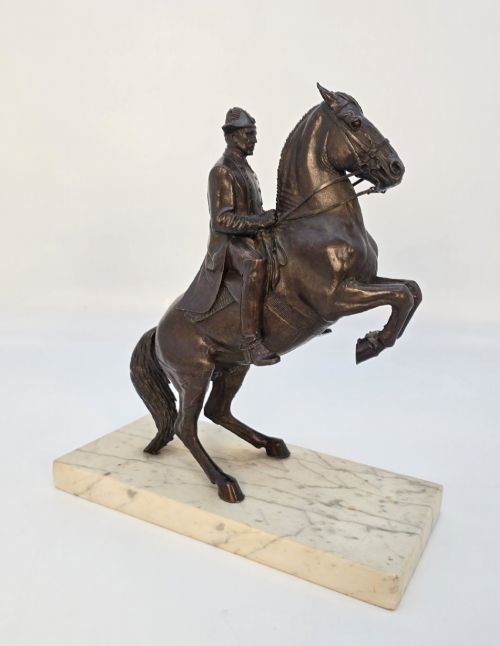
Makers and sculptors utilised bronze, patinated plaster, and marble bases to present these subjects with appropriate dignity. Forms vary from single busts mounted on stone plinths to complex equestrian groups and figural studies.
How they were made
These pieces rely primarily on traditional metal casting methods, utilising bronze to capture fine anatomical details and surface textures. Artisans frequently applied chemical patination to the metal to achieve darker tones or verdigris effects that mimic ancient artefacts.
Many sculptures incorporate secondary materials such as white marble for plinth bases, adding stability and contrast to the dark metal. Some works combine brass, wood, and crystal, particularly in desk lamps and functional decorative objects.
Classical Bronze Study Retail Price Guide 2026
Typical asking prices for classical bronze study among the pieces listed under this phrase on Sellingantiques today, from the lower quarter to the upper quarter. They describe what is for sale here now, not the wider market.
The listings on this page span the Victorian era, the nineteenth century, and the early twentieth century, utilising bronze, marble, brass, and patinated plaster.
What varies in quality
Quality in these sculptures depends heavily on the crispness of the casting and the sensitivity of the chisel work applied after the metal cools. Finer examples retain sharp facial expressions, precise musculature, and clean lettering on plinths, whereas weaker pieces lose definition in the secondary details.
The richness and depth of the patination also distinguish superior works from standard commercial souvenirs. Skilled patination creates varied tonal gradations across the bronze surface, while inferior pieces often display a flat, uniform colour.
Hector Lemaire·Sir Thomas BROCK R A·Marcel Debut
The Classical Bronze Study Glossary
- Grand Tour
- A traditional journey through Europe undertaken by upper-class young men in the eighteenth and nineteenth centuries to study classical art. Souvenirs purchased along the route frequently included small bronzes of famous antiquities.
- Patinated bronze
- Bronze that has been treated with chemical solutions to alter its surface colour. This process protects the metal and produces shades ranging from rich dark brown to green verdigris.
- Plinth
- A heavy base supporting a bust or statue, commonly fashioned from white marble in nineteenth-century studies. It provides physical support and elevates the sculpture visually.
- Academic realism
- An artistic style promoted by European academies in the nineteenth century, focusing on accurate anatomical proportion and detailed observation. Sculptors working in this manner rendered human and animal forms with strict fidelity to nature.
- After the antique
- A descriptor for works that directly copy or adapt ancient Greek and Roman sculptures. These reproductions allowed collectors to own miniature versions of masterworks housed in European museums.
Classical Bronze Study: Frequently Asked Questions
What is a classical bronze study?
A classical bronze study is a small-scale sculpture modelled on ancient Greek or Roman subjects, created during the nineteenth and early twentieth centuries.
These pieces served as desk ornaments, educational objects, or souvenirs for travellers exploring European antiquities.
How were Grand Tour bronzes used?
Nineteenth-century collectors displayed these bronzes in studies, libraries, and drawing rooms as evidence of their classical education and refined taste.
They allowed owners to examine miniature interpretations of famous museum sculptures close at hand.
What materials accompany the bronze?
Many sculptures feature carved white marble plinths that provide a stable mounting base and a bright visual contrast to the dark metal.
Some examples also incorporate brass, crystal, or patinated plaster depending on the specific object type and period.
How do I care for a bronze study?
Maintain the metal by dusting gently with a soft, dry cloth to prevent the accumulation of grit in recessed details.
Avoid using abrasive cleaning products or metal polishes that can strip away the historical patination.
Are all these pieces from the nineteenth century?
While the majority date from the nineteenth century and the height of Grand Tour popularity, some examples extend into the early decades of the twentieth century.
Stylistic cues and materials help distinguish between mid-nineteenth-century souvenir pieces and later revival works.