

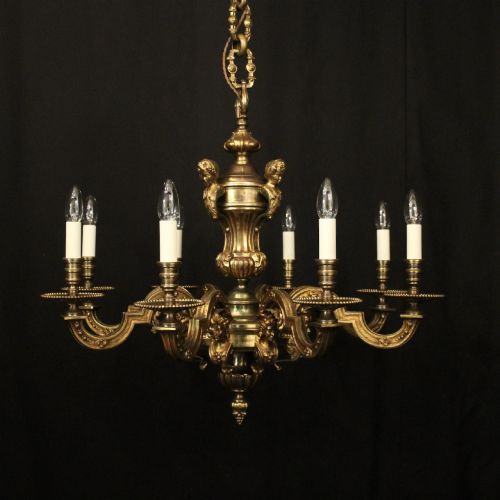
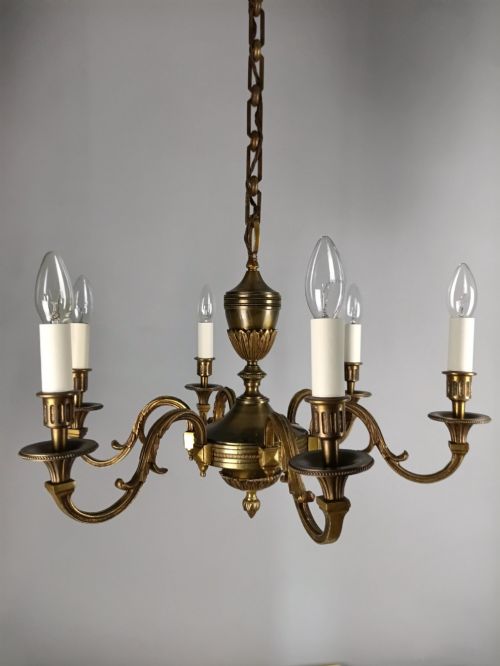
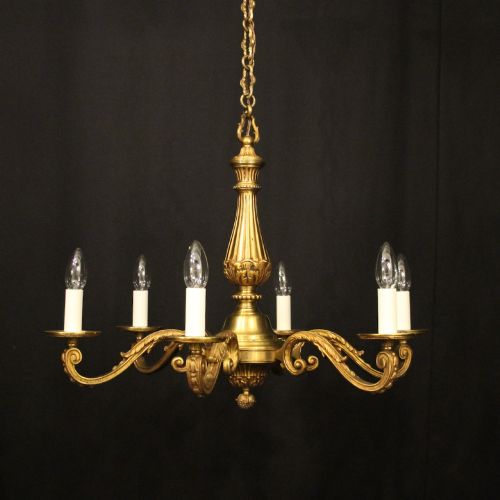
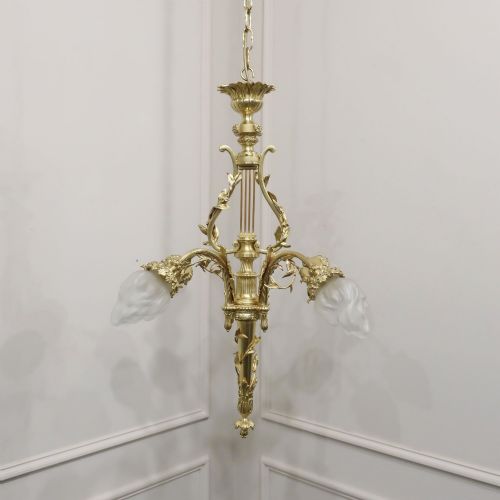


Classical Bronze Pendant
A classical bronze pendant brings distinct French architectural lighting to a room, offering weight and historic presence.
Classical Bronze Pendant
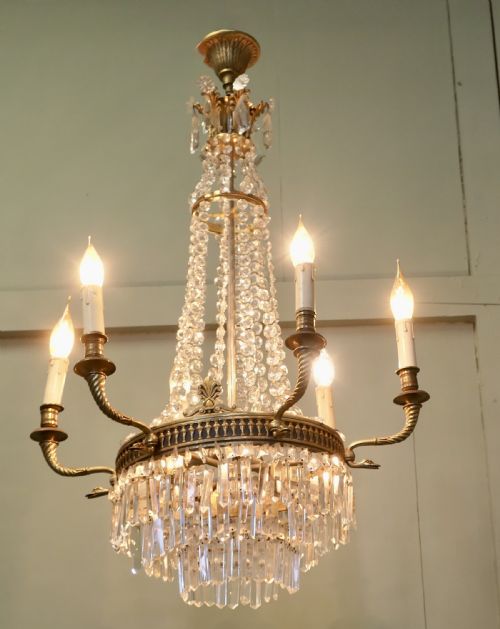
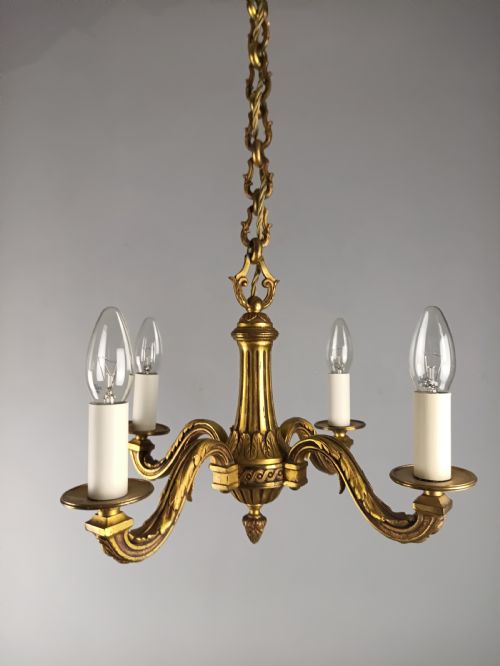
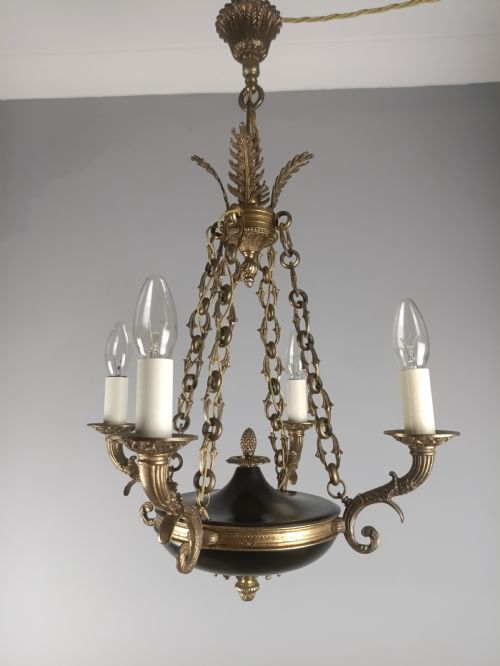
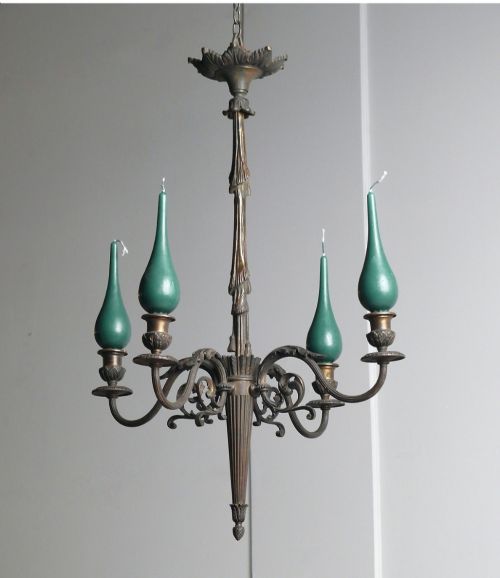
When searching for a classical bronze pendant, you are exploring substantial ceiling lighting shaped by French design traditions across the nineteenth and early twentieth centuries. The pieces represented here run from the late nineteenth century through to the 1930s, encompassing Edwardian examples alongside specific decades like 1900, 1910, and 1920.
You are most likely to encounter multi-light chandeliers and ceiling lanterns rather than single-drop pendants, often featuring six, eight, or ten lights arranged in tiers or branches. These fixtures frequently incorporate French Neoclassical, Empire, Louis XVI, and Rococo styles, drawing heavily on formal historic ornament.
The physical presence of these fixtures relies on generous proportions, with large multi-branched configurations designed to anchor principal rooms. Hall lanterns and tent-and-waterfall forms provide alternative silhouettes within the selection, maintaining the heavy cast metal framework characteristic of the period.
Materials and Techniques
Construction relies upon cast bronze, brass, and patinated or gilded surfaces that give the metalwork its enduring finish. Artisans employed heavy casting techniques to form the structural arms, rings, and decorative mounts of each chandelier or lantern.
Gilding, silver gilding, and ormolu treatments were applied to accentuate the intricate relief work and classical motifs derived from French decorative vocabularies. These metal finishes are frequently paired with glass elements, including cut crystal drops and glass panels, to diffuse the light cast from multiple internal globes or candles.
Classical Bronze Pendant Retail Price Guide 2026
Typical asking prices for classical bronze pendant among the pieces listed under this phrase on Sellingantiques today, from the lower quarter to the upper quarter. They describe what is for sale here now, not the wider market.
Some twelve-branch chandeliers weigh enough to test the strongest ceiling joist, demanding respect from anyone attempting DIY installation.
Distinctions in Execution
Quality separates fixtures by the crispness of the bronze casting and the depth of the chased detail across the mounts and arms. Superior examples exhibit finely articulated foliage, sharply defined classical motifs, and seamless joints within the metal framework.
The integration of secondary materials defines the upper tier of execution, particularly the clarity of the cut crystal drops and the consistency of the gilding or patination. Heavier multi-tiered construction and complex arrangements, such as tent-and-waterfall designs or double tiers, demand higher structural precision from the maker.
The Classical Bronze Pendant Glossary
- Ormolu
- Gilded bronze, produced by applying a finely ground high-carat gold-mercury amalgam to a bronze object before heating. This technique creates a rich, durable surface finish common in French decorative arts.
- Patinated bronze
- Metal that has been chemically treated or allowed to age naturally to produce a darkened surface colour. This finish emphasises the underlying contours of the casting without gold leaf.
- Tent and waterfall
- A chandelier configuration where strings of crystal beads form a tent shape from the crown down to a circular ring, with further cascades falling below. It creates a layered, cascading profile.
- Louis XVI style
- A neoclassical design movement characterised by straight lines, symmetry, and classical Greek and Roman motifs such as urns, swags, and fluting. It reflects a reaction against earlier asymmetrical curves.
Classical Bronze Pendant: Frequently Asked Questions
How do I hang a heavy bronze chandelier safely?
Suspension requires fixing directly into ceiling joists or installing a dedicated weight-bearing metal support box capable of holding the substantial mass of cast bronze and crystal.
Professional electrical installation is essential to manage the internal wiring safely within these historic multi-light metal frames.
What rooms suit a large bronze hall lantern?
Hall lanterns with glazed panels and gilded frames suit high-ceilinged entrance halls, landings, or tall stairwells where their vertical presence can be fully appreciated.
They provide focused downward illumination while introducing a formal architectural element to transitional spaces.
How do I identify French Empire style lighting?
French Empire pieces display military and classical motifs, including laurel wreaths, sphinxes, stars, and bold, symmetrical architectural lines.
The metalwork often combines bright gilt bronze with darker patinated surfaces to create strong visual contrast.
How should I clean gilded bronze and crystal?
Gilded surfaces require dusting with a soft, dry cloth to prevent abrasion, avoiding chemical cleaning agents that can strip the historic finish.
Crystal drops can be gently wiped with a mild solution of warm water and diluted dish soap while still attached, or removed individually for careful washing.