


Classical Bronze Fitting
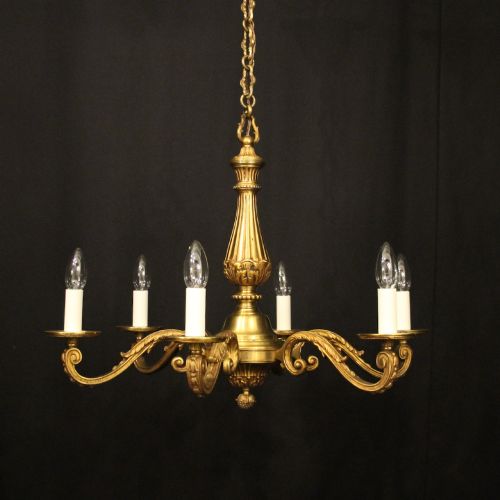
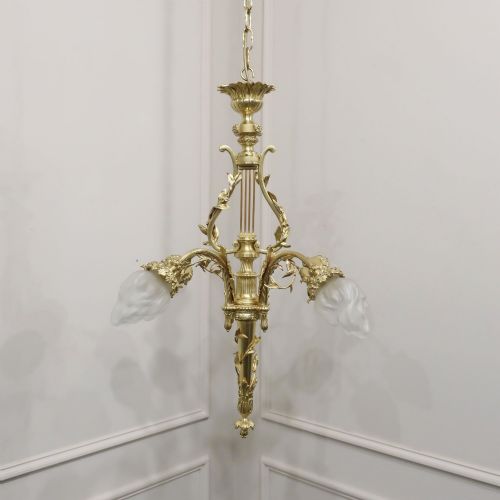
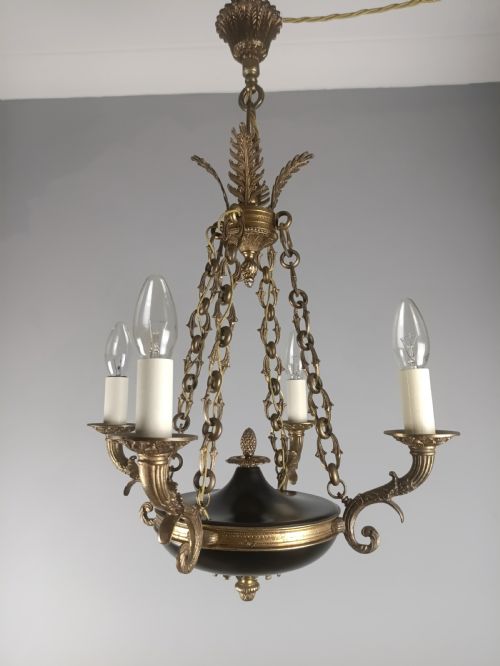
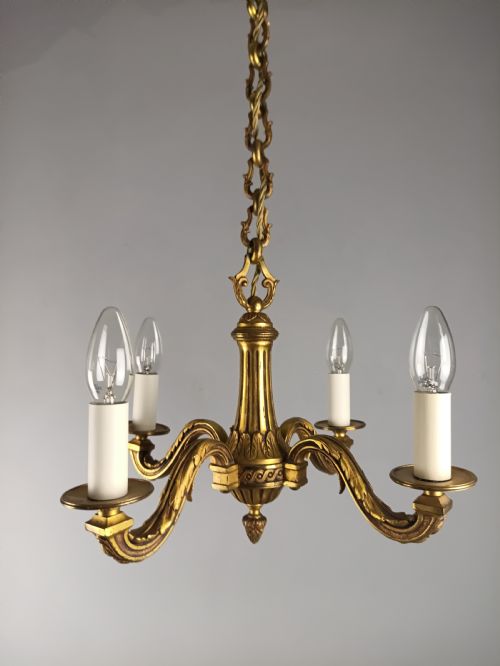
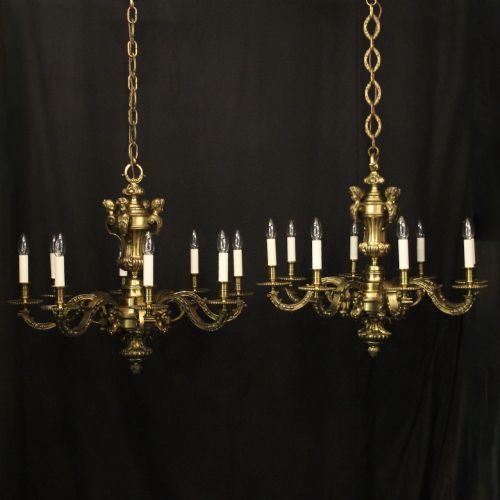
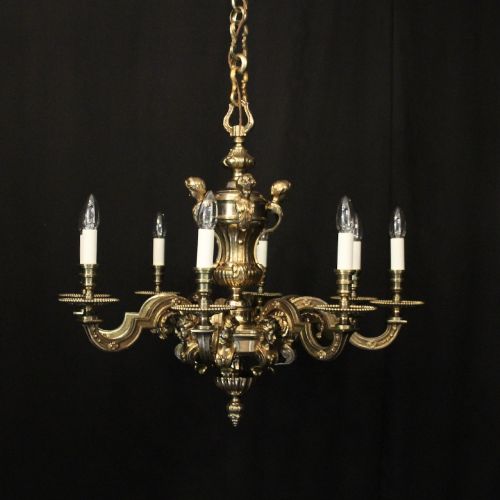
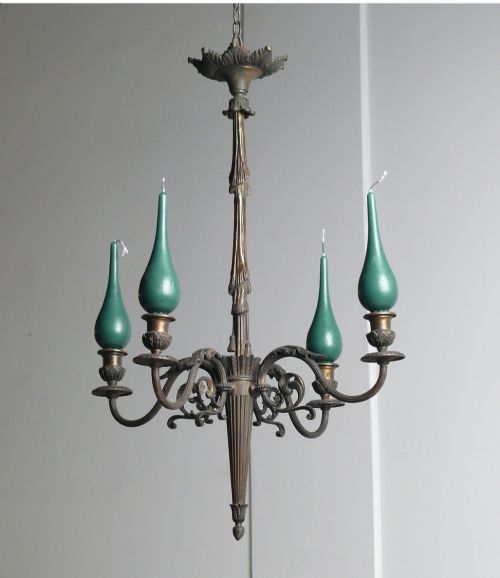
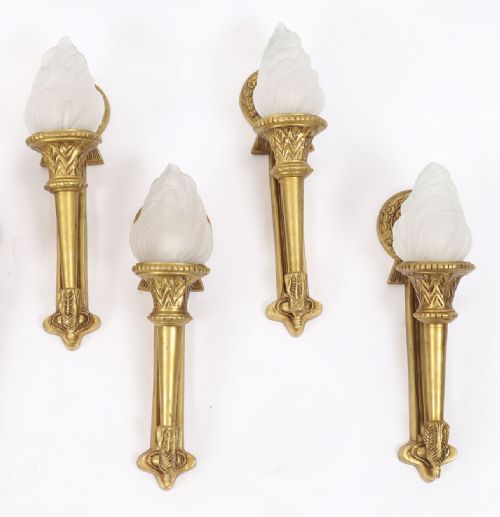
These classical bronze fitting examples are substantial French chandeliers and wall lights built to cast a warm glow across grand rooms.
Classical Bronze Fitting
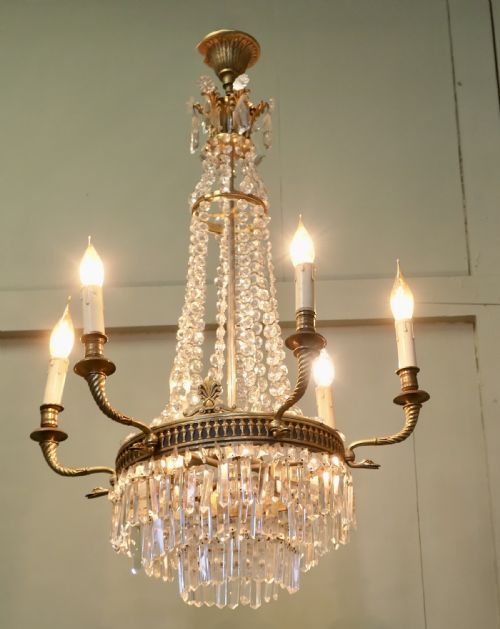
A classical bronze fitting on this page typically takes the form of a French chandelier, wall light, or lamp base originating from the nineteenth and early twentieth centuries. These metalwork pieces range from simple single-tier light fixtures to large multi-branched chandeliers hung with crystal drops.
The selection leans heavily towards French Neoclassical, Empire, and Rococo styles, reflecting historical design revivals of the nineteenth century and the decades following. Buyers encounter multi-light chandeliers featuring six, eight, or ten branches alongside pairs of matching wall lights.
Lighting forms span ceiling lanterns, table lamps, and floor-standing fixtures constructed during the Edwardian era and the nineteen-twenties. Each piece serves as both a functional light source and a heavy architectural element within a room.
What varies in quality
The depth and crispness of the cast ornamentation dictate the visual strength of the metalwork, distinguishing sharply between mass production and fine foundry work. Finer fittings display cleanly filed chasing across acanthus leaves, figures, and classical motifs.
The richness of the gilding or patination changes the overall tone of the piece, with deep fire-gilt ormolu retaining a warmer lustre than flat modern paints. Completeness of the original crystal drops and matching glass components also shapes the integrity of the design.
Materials recorded across the selection include bronze, brass, ormolu, crystal, and frosted glass.
The Classical Bronze Fitting Glossary
- Ormolu
- Gilded bronze produced by applying a mercury and gold amalgam to a bronze base and heating it until the mercury vaporised. This historic technique leaves a rich, durable golden finish found on many nineteenth-century French fixtures.
- Chandelier
- A branched ceiling-mounted lighting fixture designed to hold multiple candles or electric bulbs. These large pieces often incorporate crystal prisms to refract light across a room.
- Patinated bronze
- Metal that has undergone chemical treatment or natural ageing to darken its surface tone. This process yields a deep, matte brown or greenish hue rather than a bright metallic shine.
- Empire style
- A Neoclassical design movement inspired by the art of classical Greece and Rome, popular during the early nineteenth century. Pieces from this aesthetic feature military motifs, laurel wreaths, and clean architectural lines.
- Tent and waterfall chandelier
- A specific lighting silhouette where crystal beads drape from a crown to form a tent shape above a tiered cascade of drops. This arrangement maximises the reflection of light from the central bulbs.
Classical Bronze Fitting: Frequently Asked Questions
How do I hang a heavy bronze chandelier safely?
Heavy metal fittings require direct ceiling joist support or a rated steel hook rather than standard plaster fixings. A qualified electrician should assess the ceiling weight capacity before installation.
Because these fixtures often weigh considerable amounts due to solid bronze and crystal content, professional installation ensures the weight is distributed correctly without damaging the ceiling.
Can these antique fittings be wired for modern electricity?
Most antique metal chandeliers and wall lights have been previously adapted for electrical wiring during their working lives. Existing internal wiring should be inspected by a professional to meet current safety standards.
Rewiring allows these historic fixtures to function safely in modern homes while preserving the original exterior metalwork and crystal components.
How do I clean gilded bronze and crystal?
Dust bronze surfaces gently with a soft, dry brush and avoid harsh chemical cleaners that can strip historic gilding or patination. Crystal drops can be washed in warm soapy water and dried thoroughly before rehanging.
Regular gentle maintenance prevents dust buildup without disturbing the delicate finish of the metal or the stability of the hanging wires.
What is the difference between Empire and Neoclassical styles?
Neoclassical lighting draws directly from ancient Greek and Roman architecture, focusing on symmetry, urns, and delicate scrolling foliage. It represents a lighter, more restrained approach to classical ornament.
Empire style forms a heavier, more martial branch of Neoclassicism developed during the early nineteenth century, incorporating bold geometry, sphinxes, and prominent laurel wreaths.