






Classic Writing Bureau
A classic writing bureau is a fitted workspace with a drop-down flap, offering concealed compartments and a solid surface for correspondence.
Classic Writing Bureau
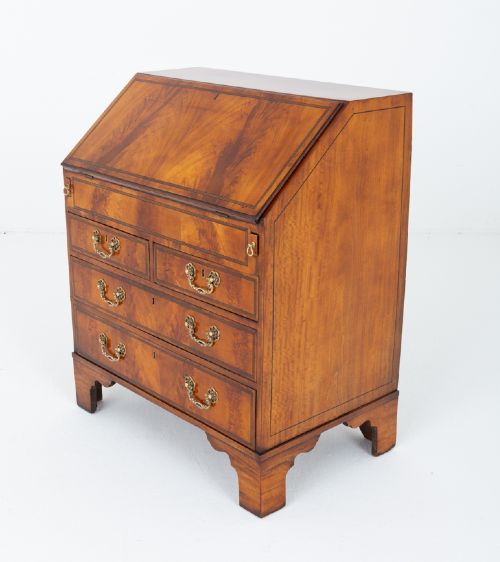
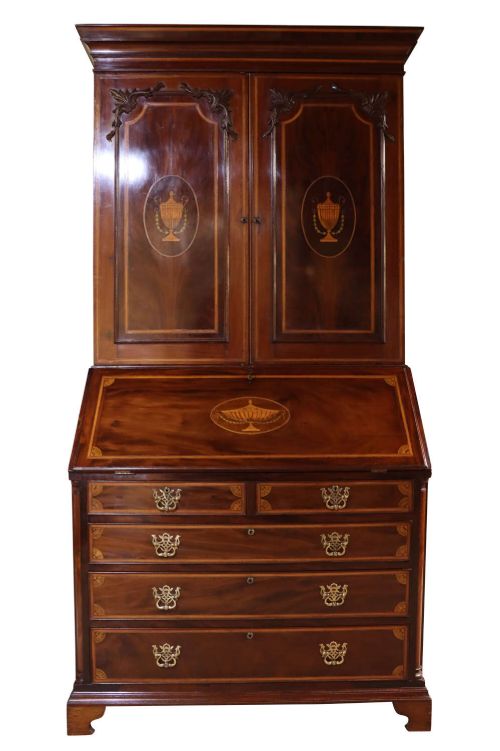
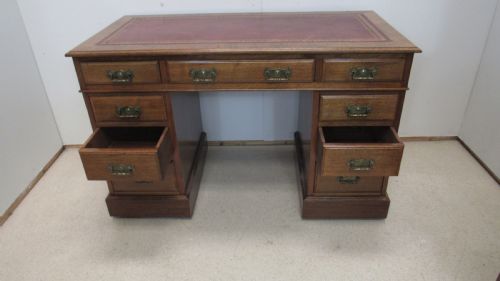
A classic writing bureau combines a writing surface with compartmentalised storage, taking forms such as bureau bookcases, escritoires, and pedestal desks. You will encounter pieces spanning from the eighteenth century through the Victorian and Edwardian eras, reflecting shifts in domestic study spaces.
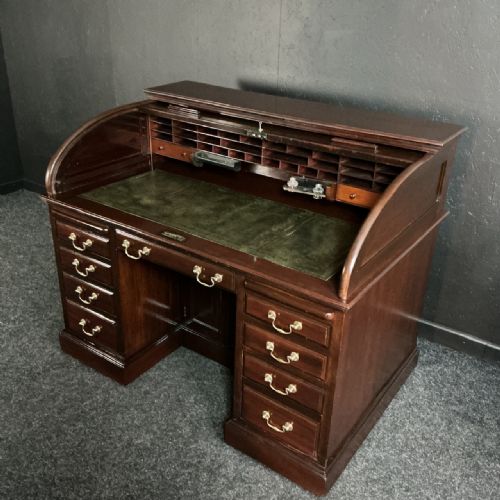
The selection ranges from compact walnut kneehole bureaux and mahogany roll-top desks to elaborate French Empire secretaire abattants and George III tambour desks. These items served as the administrative centre of the home or office, designed for writing letters and storing documents securely behind fitted flaps or drawers.
How they were made
Cabinet makers constructed these pieces primarily using dense timbers like mahogany, walnut, and satinwood, frequently applying wood veneer and intricate boxwood inlay to external surfaces. Structural stability relied on traditional joinery methods, while internal fitments utilised lighter secondary woods for small drawers and pigeonholes.
Decorative embellishments include cast brass handles, escutcheons, and ormolu mounts, particularly on French-influenced pieces from the nineteenth century. Leather inserts frequently surface on writing surfaces, providing a durable and smooth plane for daily correspondence.
Classic Writing Bureau Retail Price Guide 2026
Typical asking prices for classic writing bureau among the pieces listed under this phrase on Sellingantiques today, from the lower quarter to the upper quarter. They describe what is for sale here now, not the wider market.
Some nineteenth-century models hide secret spring-loaded compartments behind the pigeonholes, meant for family heirlooms.
What varies in quality
The standard of craftsmanship shows in the precision of the internal pigeonholes and small drawers hidden behind the fall-front, where finer examples display complex secondary layouts and secret compartments. Timber selection dictates visual depth, with well-figured mahogany or walnut veneer exhibiting consistent grain matching across the facade.
Hardware integration separates standard utilitarian items from finer examples, noting how smoothly tambour doors slide or how accurately brass escutcheons and ormolu mounts align with the timber cabinetry. Structural integrity in the fall-front hinges and internal support brackets determines how well the writing surface bears weight during daily use.
The Classic Writing Bureau Glossary
- Bureau
- A desk featuring a sloping hinged lid that drops down to form a writing surface, concealing a collection of small drawers and pigeonholes inside. It forms the central typology for this search category.
- Escritoire
- A tall writing cabinet or desk, often featuring a drop-front flap that conceals internal compartments. The term is frequently interchangeable with secretaire in continental and nineteenth-century pieces.
- Tambour
- A sliding surface made of narrow strips of wood glued to a canvas or leather backing, allowing the top to curve around a track. This mechanism appears on specialised desks to enclose the writing area.
- Secretaire Abattant
- A tall vertical cabinet with a drop-front writing surface supported by fitted brackets or the door itself. It conceals internal drawers while maintaining a formal architectural facade.
- Kneehole Bureau
- A compact desk configuration featuring a central recess for the user's legs, flanked by pedestals of small drawers. This form allows a seated writer to sit closer to the central writing space.
Classic Writing Bureau: Frequently Asked Questions
What is a classic writing bureau?
A classic writing bureau is a traditional desk form featuring a sloping fall-front that opens to reveal internal pigeonholes and small drawers. This design allowed historical users to conceal confidential correspondence and writing materials when not in use.
Over centuries, cabinet makers adapted the form into various formats, including bureau bookcases, tambour desks, and tall escritoires. Each variant balances concealed storage with an accessible surface for daily writing tasks.
How do I date a wooden bureau?
Dating relies on examining timber choices, construction techniques, and stylistic markers across different eras. Eighteenth-century pieces often feature walnut or figured mahogany with hand-cut dovetails, while Victorian and Edwardian examples incorporate machine-sawn elements and distinct brass hardware.
Secondary woods inside drawers and the specific profile of the bracket feet or plinth base offer further chronological clues. Comparing the internal joinery to documented periods helps establish a reliable timeline of manufacture.
How were bureau interiors used?
The interior compartments of a bureau were designed for sorting letters, ledgers, and small personal valuables. Pigeonholes held stationery, while tiny lockable drawers kept inkwells, stamps, and sensitive documents secure.
Lower drawers provided bulk storage for larger papers and household accounts. The drop-front flap doubled as a portable writing desk surface when lowered.
Where should I place a bureau?
Positioning a bureau requires accounting for the clearance needed when the fall-front is lowered or the desk chair is pulled out. Placing the piece away from direct sunlight and heat sources protects sensitive wood veneers and leather writing surfaces from drying out.
These items function effectively in home offices, studies, or living rooms as both functional workspaces and statement furniture pieces. Their compact vertical footprint makes them adaptable to rooms with limited floor space.