

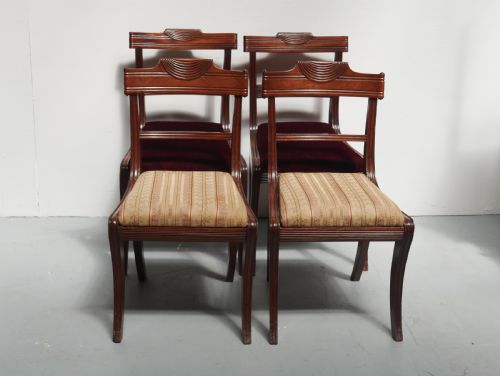


Classic Wooden Seats
Classic wooden seats bring warmth and character to gardens and interiors alike, offering enduring utility through solid timber construction.
Classic Wooden Seats
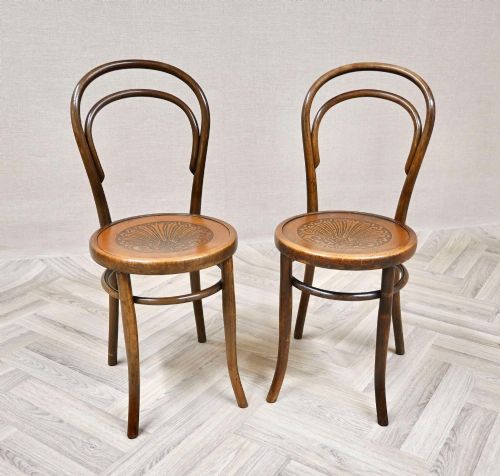
Classic wooden seats encompass a diverse range of furniture items including garden benches, dining chairs, armchairs, and stools spanning from the 1800 period through to the 1930 decade. These pieces originate from various design traditions such as Regency, Queen Anne Style, Sheraton Revival, and English Country Garden aesthetics.
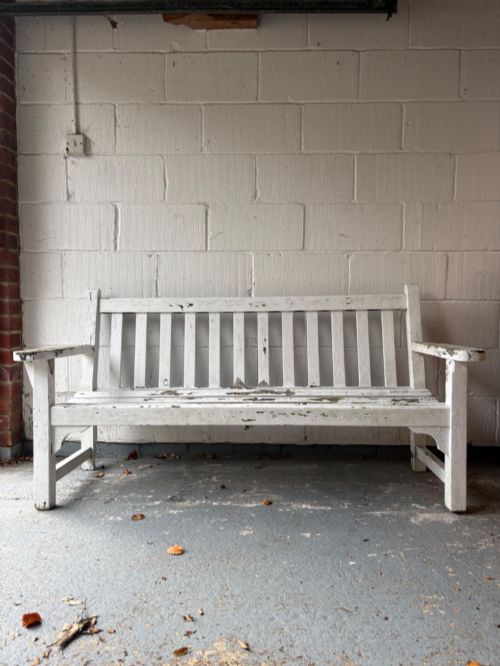
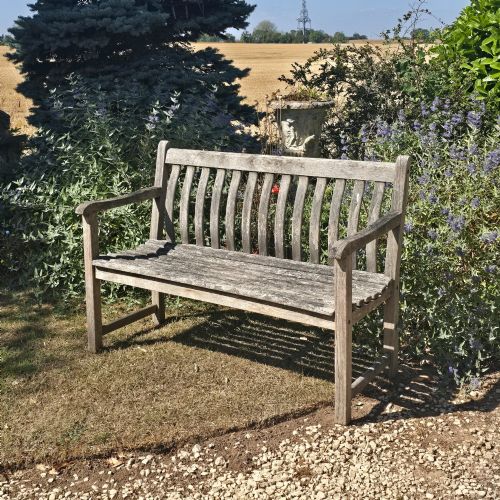
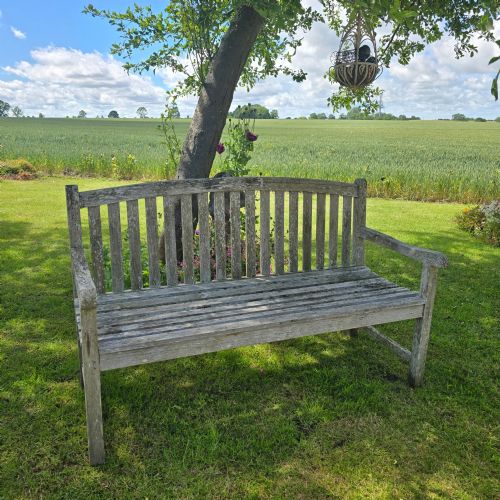
The most common examples encountered on this page are weathered garden benches constructed from teak and robust dining chairs fashioned from mahogany or cherry. Buyers will also find specialised items like long stools and stickback open armchairs finished in simulated rosewood or painted wood.
Makers and designers drew upon historical idioms ranging from Louis XVI Style to Italian Rococo, resulting in seating that serves both practical seating needs and decorative roles in period interiors or outdoor settings.
Materials and construction methods
Construction relies heavily on durable timbers such as teak for outdoor benches, alongside traditional cabinet woods like mahogany, cherry, and simulated rosewood for interior seating forms. These materials are shaped into robust frames designed to withstand decades of regular use.
Upholstered elements utilise traditional textiles including damask fabric and standard fabric upholstery, paired occasionally with decorative details like giltwood highlights or painted wood surfaces to enhance the visual appeal of indoor chairs and stools.
Classic Wooden Seats Retail Price Guide 2026
Typical asking prices for classic wooden seats among the pieces listed under this phrase on Sellingantiques today, from the lower quarter to the upper quarter. They describe what is for sale here now, not the wider market.
Materials employed across these seats include teak, mahogany, cherry, giltwood, painted wood, and damask fabric.
Distinguishing quality in timber seating
Quality in these pieces is dictated by the selection of timber and the integrity of the joinery, distinguishing sturdy period examples from lesser or more compromised items. Superior outdoor benches display a natural, even weathering of the teak, whereas finer indoor chairs exhibit precise carving and balanced proportions true to their specific stylistic roots.
The refinement of decorative elements, such as the execution of Sheraton revival details or the quality applied to fabric upholstery and damask coverings, separates standard utilitarian seating from finer artisanal production.
The Classic Wooden Seats Glossary
- Regency
- A style period dating to the early nineteenth century defined by classical restraint and archaeological influence. Pieces from this era often feature clean lines and dark wood finishes.
- Sheraton Revival
- A late nineteenth-century movement resurrecting the lighter, elegant furniture designs of the eighteenth-century designer Thomas Sheraton. It typically incorporates satinwood, mahogany, and delicate painted details.
- Stickback
- A chair construction method where turned spindles are inserted directly into a solid seat slab or bentwood rail. This creates a sturdy, functional rustic form common in country seating.
- Damask fabric
- A reversible figured textile traditionally woven on a jacquard loom with patterns formed by contrasting warp and weft threads. It provides a formal upholstered texture for period dining chairs and armchairs.
Classic Wooden Seats: Frequently Asked Questions
How do I care for a vintage teak garden bench?
Teak naturally weathers to a silver-grey patina when left exposed to the elements, requiring minimal chemical intervention to maintain its structural integrity.
Regular cleaning with a soft brush removes dirt and debris, preserving the surface without stripping the natural oils embedded within the dense timber.
What distinguishes Regency chairs from Sheraton revival pieces?
Regency chairs date from the early nineteenth century and embody the direct neoclassical tastes of that specific period. Sheraton revival pieces were produced later, around 1900, copying those earlier proportions using lighter woods and decorative motifs.
Examining the construction methods and timber characteristics helps clarify the actual age and stylistic intent behind each individual chair.
Can indoor wooden armchairs be used outside?
Indoor armchairs featuring mahogany, cherry, or fabric upholstery lack the weather-resistant treatments and durable timbers required for exterior environments. Moisture and temperature fluctuations will quickly damage polished wood surfaces and degrade internal padding.
Garden benches made from seasoned teak are specifically engineered to withstand outdoor conditions year-round.
How are dining chairs typically sold?
Dining chairs often appear as matched sets ranging from four to ten pieces, reflecting their original domestic use around a dining table. Individual armchairs or smaller groupings also occur depending on the specific origin and surviving pieces.
Checking the listed counts ensures buyers secure the correct number of seats for their intended space.