



Classic Wooden Seating
Classic wooden seating spans centuries of craft, offering solid craftsmanship and enduring utility for homes and gardens.
Classic Wooden Seating
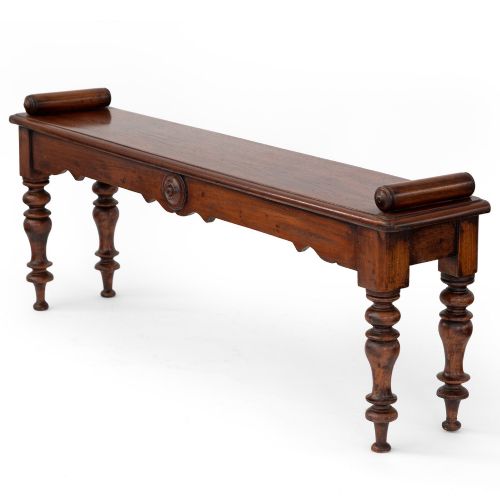
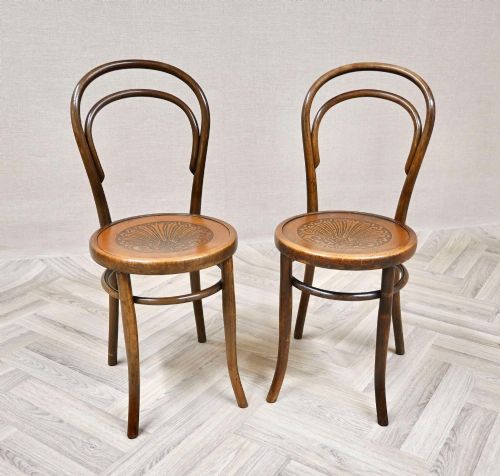
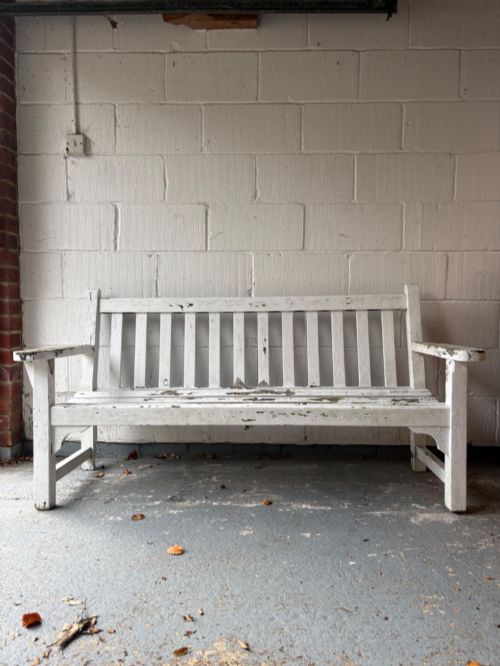
Classic wooden seating encompasses robust benches, dining chairs, armchairs, and stools designed for interior rooms and outdoor spaces alike. When buyers search for classic wooden seating, they find pieces ranging from garden benches to formal dining chairs.
Forms vary from simple stickback armchairs to sets of dining chairs and large armchairs with matching stools. Each piece reflects the functional requirements and aesthetic tastes of its specific period.
Materials and construction
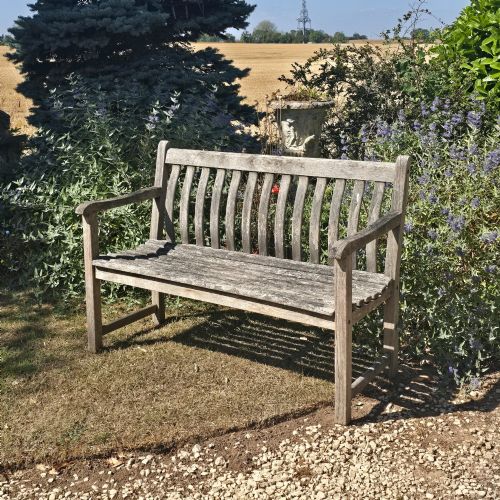
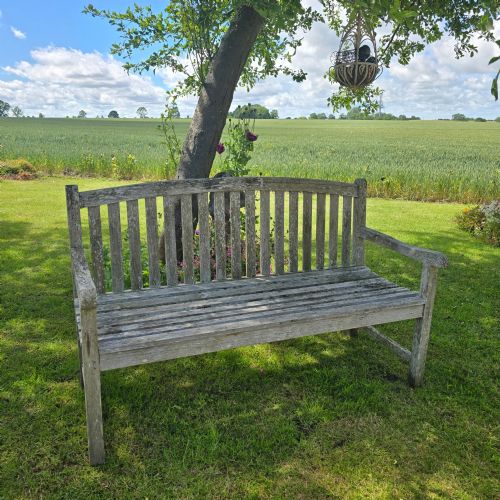
Makers utilised durable timbers such as mahogany, teak, and cherry to build these chairs and benches. Teak appears frequently in outdoor garden seating due to its natural weather resistance, often developing a silvered patina over decades.
Interior seating relies on dense hardwoods like mahogany and cherry, sometimes enhanced with painted finishes or simulated rosewood. Upholstery elements incorporate traditional textiles including damask and other fabrics.
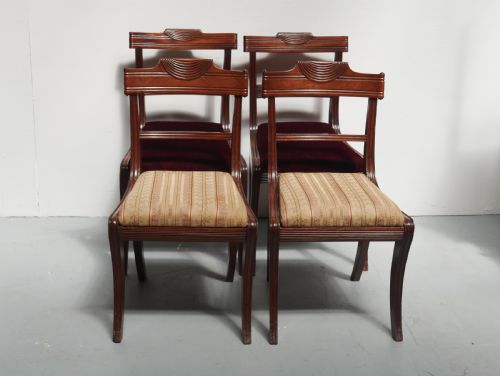
Construction techniques range from the refined joinery of Regency dining sets to the sturdy framing required for garden benches. Surface treatments include gilding on specific decorative items and simple painted wood.
Classic Wooden Seating Retail Price Guide 2026
Typical asking prices for classic wooden seating among the pieces listed under this phrase on Sellingantiques today, from the lower quarter to the upper quarter. They describe what is for sale here now, not the wider market.
Materials represented in the current selection include mahogany, teak, cherry, giltwood, and various upholstered fabrics.
Assessing quality and character
Quality in these pieces rests on the selection of timber and the integrity of the original construction. Fine-grained hardwoods and tight, solid joints separate better examples from simpler utilitarian items.
The degree of weathering on outdoor teak benches alters their visual appeal without necessarily diminishing their structural soundness. For indoor seating, the retention of original surface finishes and harmonious proportions define the higher tiers of the range.
The Classic Wooden Seating Glossary
- Regency
- A style period dating from the early nineteenth century characterised by classical restraint and refined proportions. Pieces from this era often display elegant lines and dark hardwoods.
- Stickback
- A chair design featuring slender wooden spindles inserted directly into the seat and top rail. This construction method provides light yet sturdy support.
- Damask
- A reversible figured fabric traditionally used for upholstery in formal seating. It adds texture and pattern to dining chairs and armchairs.
- Giltwood
- Timber treated with gold leaf or gold paint to create a decorative metallic surface. This finish appears on more ornate styles such as Italian Rococo.
Classic Wooden Seating: Frequently Asked Questions
How do I care for a vintage teak garden bench?
Vintage teak naturally weathers to a silvered grey when exposed to the elements. Regular brushing removes surface dirt without harming the dense wood fibres.
Applying oils is optional and primarily alters the colour back to a warmer brown tone. Most owners prefer to leave the weathered finish intact.
Are these dining chairs suitable for daily use?
Dining chairs from periods like the nineteenth and early twentieth centuries are constructed from solid hardwoods designed for regular sitting. Checking joint stability ensures they withstand everyday dining.
Some antique sets benefit from updated internal webbing or fabric replacement while retaining their original frames. This allows them to function reliably in modern households.
How can I identify a Sheraton revival piece?
Sheraton revival items date from later periods, such as nineteen hundred, but draw inspiration from the lighter neoclassical designs of the eighteenth century. They frequently feature mahogany, elegant tapering legs, and subtle inlay work.
Comparing the construction details and timber age helps distinguish a revival piece from an original eighteenth-century item. These revival pieces offer classic styling with sturdy nineteenth-century build quality.