



Classic Wood Side Tables
Classic wood side tables are practical period pieces built from mahogany, walnut and pine, offering timeless surface space for a room.
Classic Wood Side Tables
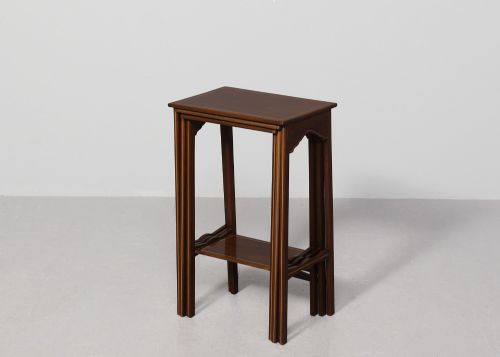
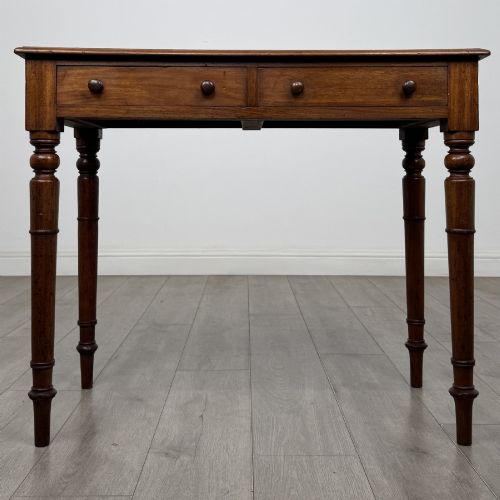
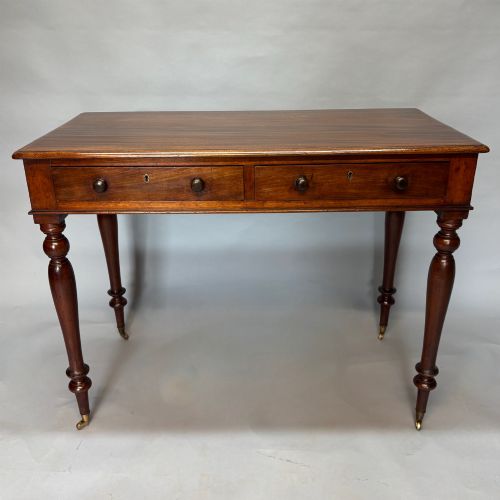
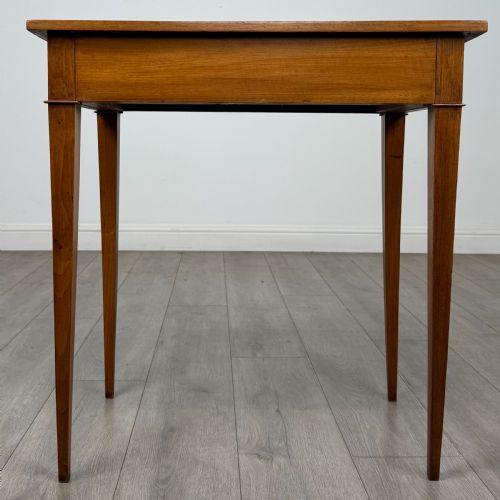
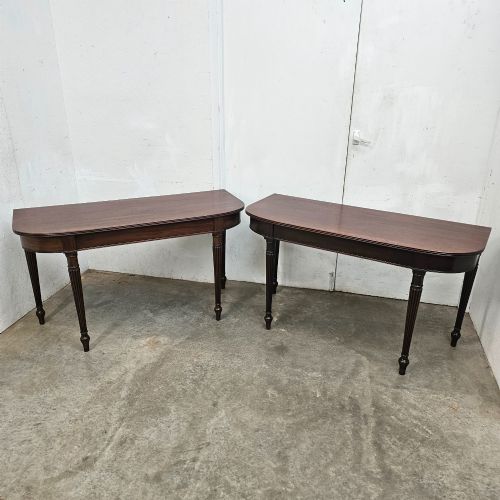
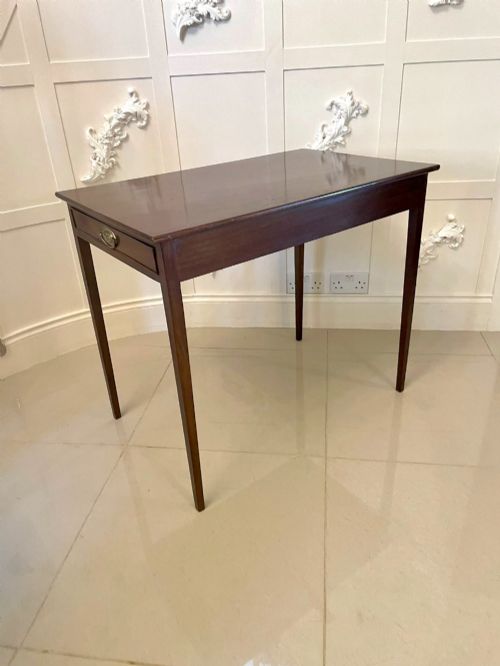
Classic wood side tables encompass a broad array of functional household surfaces, ranging from compact occasional stands to larger console and serving tables. When searching for classic wood side tables, buyers frequently encounter Georgian and Regency forms alongside later revival pieces.
Origins stretch across the eighteenth, nineteenth and early twentieth centuries, capturing shifts in domestic taste from austere Georgian lines to ornate Empire and Regency revivals. These utilitarian surfaces served diverse rooms, adapting easily from hallways and drawing rooms to libraries.
Materials and construction
Cabinetmakers relied heavily on dense tropical hardwoods like solid and veneered mahogany, alongside figured walnut and satinwood. Fiddleback sycamore, burr birch, pine and brass details appear regularly to add structural contrast and decorative enrichment.
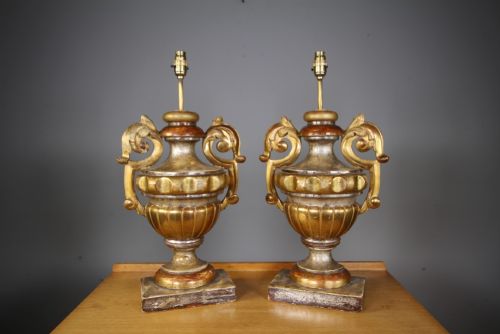
Joinery techniques involved precise dovetailing for drawers, sturdy framing for console bases and turned tripod supports for occasional lamp tables. Surfaces often received delicate satinwood inlay or gold leaf highlights, preserving the natural grain of the timber.
Classic Wood Side Tables Retail Price Guide 2026
Typical asking prices for classic wood side tables among the pieces listed under this phrase on Sellingantiques today, from the lower quarter to the upper quarter. They describe what is for sale here now, not the wider market.
Listings feature woods such as mahogany, walnut, satinwood, pine, sycamore and burr birch across periods spanning the eighteenth to twentieth centuries.
Distinctions in craftsmanship
Superior examples distinguish themselves through the choice of timber, displaying rich natural figuring in the grain, particularly with solid fiddleback sycamore or burr birch. Finer pieces demonstrate meticulous attention to structural joinery, ensuring stability without relying on modern fasteners.
Decoration separates workshop output, with crisp hand-carved motifs, subtle brass mounts and precise satinwood inlay indicating higher tier production. The condition of the timber finish, whether retaining a mellow patina or showing careful historical maintenance, determines the overall integrity of the piece.
Epstein and Co
The Classic Wood Side Tables Glossary
- Pembroke table
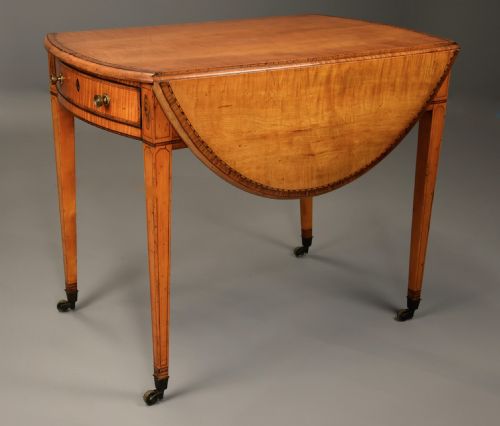
- A small occasional table featuring two hinged drop leaves on opposite sides, popular during the eighteenth and nineteenth centuries. These versatile pieces often included a single small drawer.
- Console table
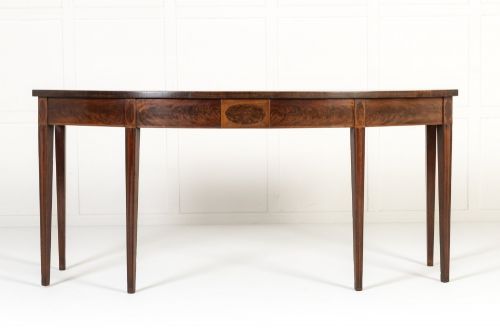
- A table designed to be fixed against a wall, frequently supported by decorative legs or brackets. They often functioned as serving tables or display surfaces in formal reception rooms.
- Nest of tables
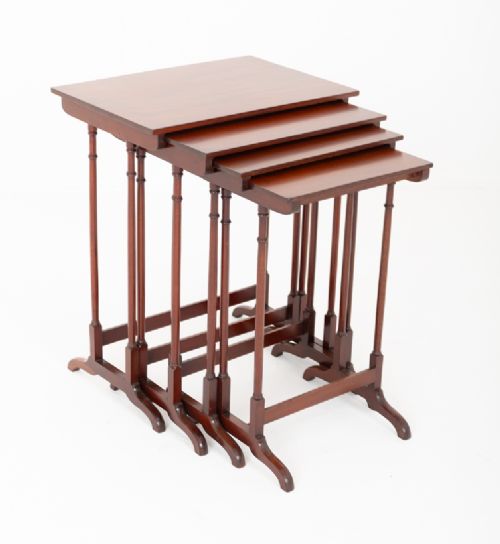
- A set of graduated tables designed to fit neatly one beneath another. This space-saving innovation became especially popular during the nineteenth and twentieth centuries.
- Occasional table
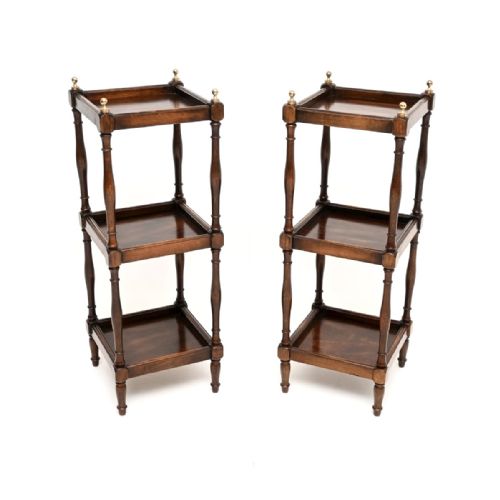
- A small, movable table intended for specific, temporary use in a living space. Examples include lamp tables and plant stands.
- Tripod table
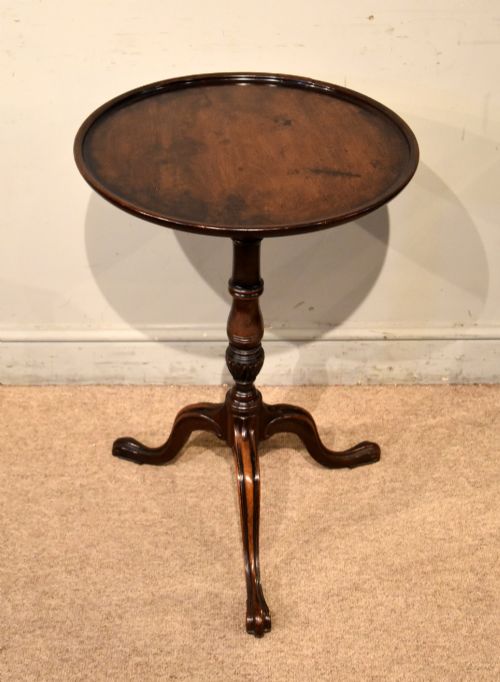
- A small freestanding table supported by a pillar above three spreading feet. This design provided stability on uneven historical floorboards.
Classic Wood Side Tables: Frequently Asked Questions
What rooms suit classic wood side tables?
These tables adapt easily to various domestic spaces, fitting neatly beside seating in a drawing room or functioning as a hallway display surface. Their modest proportions make them practical for everyday use without overwhelming a room.
Larger console and serving tables find a natural home against dining room or hallway walls. Smaller occasional stands and nests serve well as flexible surfaces for lamps and drinks.
How do I identify a Georgian side table?
Georgian pieces generally exhibit restrained classical proportions, rectilinear forms and sturdy timber construction without excessive ornamentation. Details like subtle string inlay and straightforward brass handles often point to this era.
Later revival pieces sometimes exaggerate these characteristics or utilise different secondary woods. Examining the interior drawer construction and timber grain helps clarify the true age.
What is a Pembroke table used for?
Pembroke tables served flexible roles in period homes, functioning as writing desks, breakfast tables or occasional side surfaces. The drop leaves allowed the table to expand when needed and fold down to save floor space.
They typically sat beside walls or near windows when folded, making them practical additions to smaller sitting rooms. A single small drawer usually provided discreet storage for writing materials or small accessories.
How do I care for antique wood surfaces?
Protect antique timber surfaces by placing them away from direct heat sources and strong sunlight, which can dry out or fade the wood. Regular dusting with a soft, dry cloth preserves the finish without requiring harsh chemical polishes.
Applying a traditional beeswax occasionally helps nourish historical timbers and maintain their natural lustre. Avoid placing damp items directly onto polished wood to prevent water rings.