






Classic Wood Pedestal
These classic wood pedestal pieces offer solid form and period timber, bringing grounded utility to any interior.
Classic Wood Pedestal
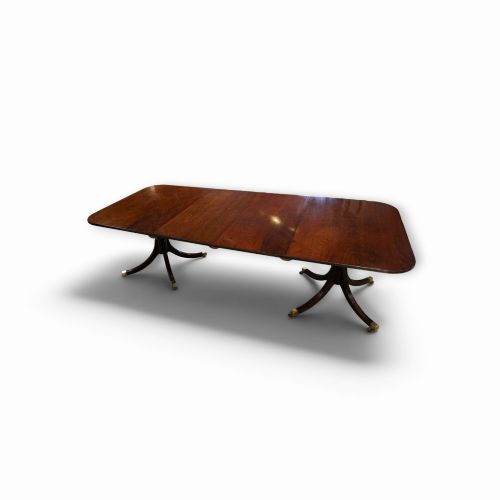
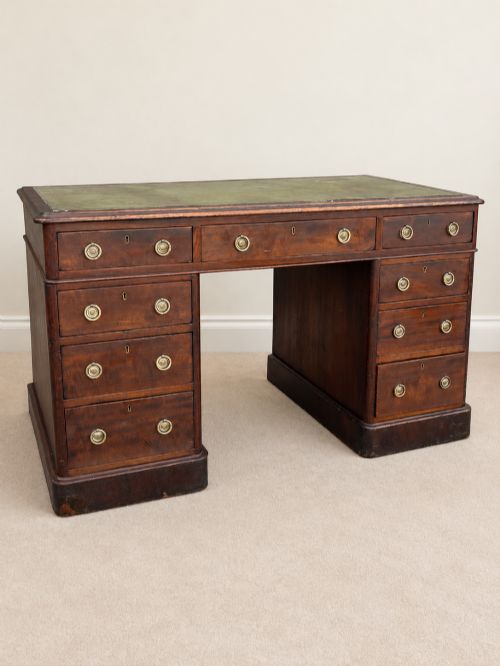
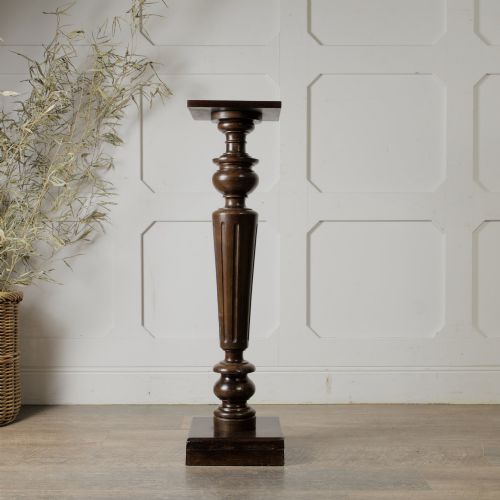
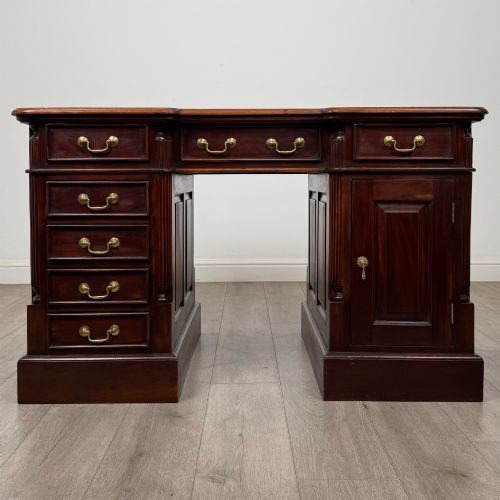
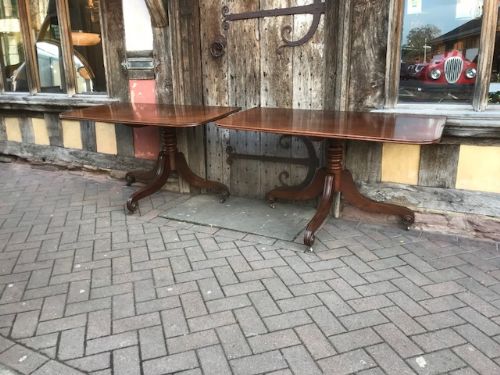
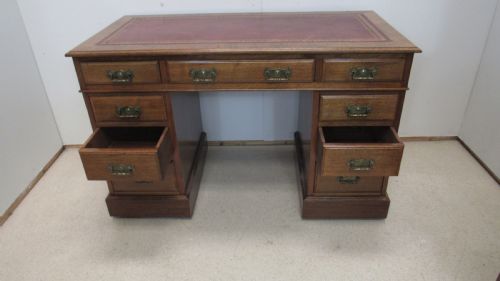
A classic wood pedestal encompasses sturdy supports and stands seen in formats ranging from nineteenth century desks to plant stands and torchieres. These items emerge primarily in mahogany, walnut, and rosewood across periods such as the Edwardian era, Victorian decades, and Regency style revivals.
Origins span formal nineteenth century workshops up to early twentieth century reproductions reflecting Georgian and Regency tastes. Each piece relies on a central pillar or twin pedestals to anchor the design.
Materials and construction
Construction relies heavily on dense hardwoods such as mahogany and rosewood, chosen for their durability and capacity to take a deep polish. Secondary woods and occasional satinwood details appear alongside brass hardware and leather inserts.
Joinery methods utilise traditional techniques suited to heavy load-bearing furniture, supporting robust central pillars and multi-drawer carcases. Surfaces are finished to highlight natural timber grain rather than masking the material.
Classic Wood Pedestal Retail Price Guide 2026
Typical asking prices for classic wood pedestal among the pieces listed under this phrase on Sellingantiques today, from the lower quarter to the upper quarter. They describe what is for sale here now, not the wider market.
Mahogany dominates the current inventory, appearing across Victorian desks, Edwardian cabinets, and Regency revival tables.
Assessments of quality
Quality rests upon the selection of timber figures, the crispness of turned or carved elements on pillars, and the structural integrity of the central column. Desks and tables with well-matched grain patterns command attention.
Proportion and stability separate standard utility pieces from finer expressions of period cabinetmaking. The weight and integration of brass fittings or secondary materials further distinguish the build.
The Classic Wood Pedestal Glossary
- Pedestal
- A structural support or column holding up a desk, table, or lamp. It provides both stability and architectural presence.
- Mahogany
- A durable tropical hardwood prized for its reddish-brown colour and smooth grain. It forms the primary material for most listed pieces.
- Regency
- A design period spanning the early nineteenth century characterised by classical revival motifs. Pieces from this era often feature clean lines and dark timbers.
- Plinth
- A heavy base supporting a pillar or statue. It grounds the vertical weight of the furniture.
- Tambour
- A surface made of narrow strips of wood glued to canvas, allowing a desk top to slide open in a track. This mechanism conceals the writing compartment.
Classic Wood Pedestal: Frequently Asked Questions
What rooms suit a pedestal desk?
These desks fit private studies and home offices where traditional workspace storage is required.
The substantial footprint and enclosed drawers provide practical organisation for modern working environments.
How do I care for mahogany surfaces?
Regular dusting with a dry cloth prevents particle buildup on polished timber.
Periodic application of appropriate wax preserves the moisture and sheen of the wood without leaving sticky residue.
Can I use an occasional pedestal as a plant stand?
Smaller tables and plinths function well for displaying ceramics, lamps, or potted plants.
Waterproof coasters protect the antique polish from moisture damage during everyday use.
How do I distinguish Edwardian from Victorian pedestals?
Victorian examples generally feature heavier proportions, darker finishes, and dense carved details.
Edwardian pieces often display lighter wood tones and references to Sheraton or Georgian revival styles.