




Classic Wood Mirror
A classic wood mirror brings depth and warmth to a room through centuries of craftsmanship, spanning Georgian elegance to Victorian presence.
Classic Wood Mirror
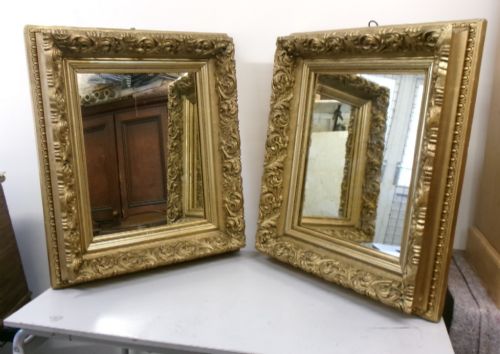
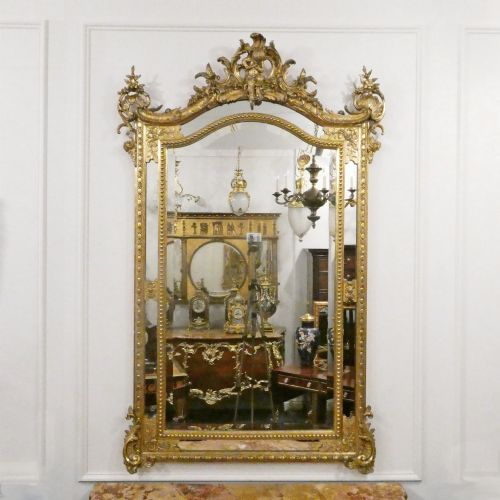
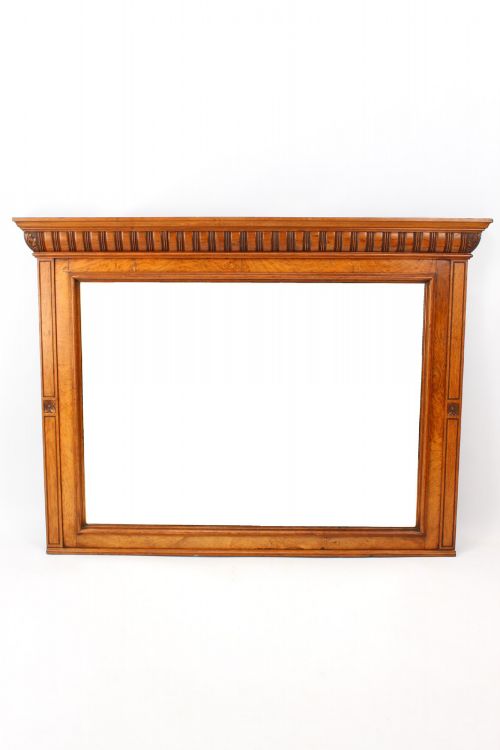
A classic wood mirror serves as a focal point in domestic interiors, appearing in forms from grand overmantels to freestanding cheval mirrors and compact wall pier glasses. Buyers seeking a classic wood mirror encounter pieces shaped by regional traditions, notably English and French workshops working across the eighteenth and nineteenth centuries.
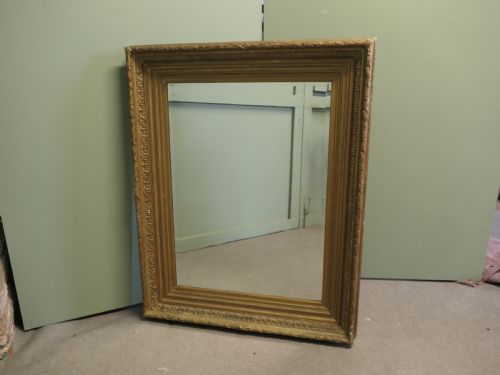
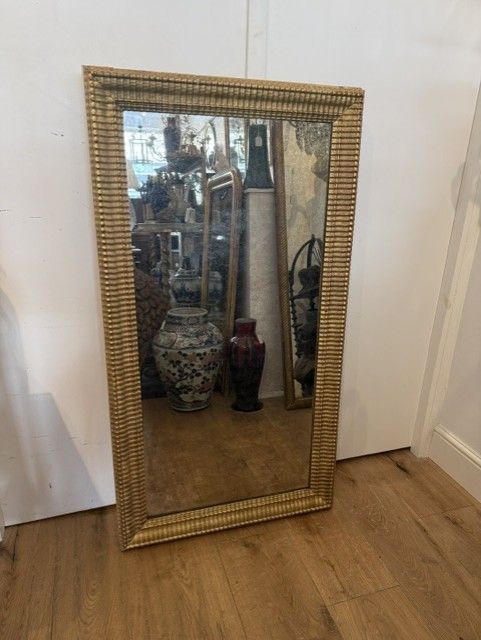
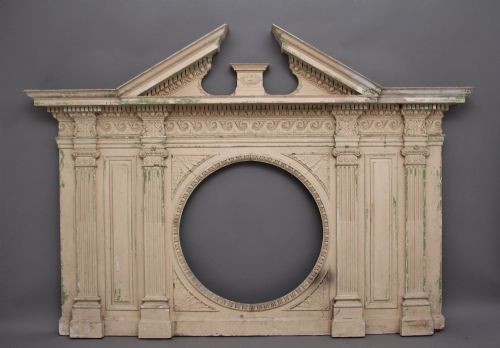
The selection ranges from architectural overmantel mirrors designed to sit above a fireplace to smaller oval frames and ripple-moulded wall pieces. These objects reflect the prevailing tastes of their periods, including Victorian, Edwardian, and Georgian aesthetics, alongside revival styles such as Louis XVI and Italian Renaissance.
Materials and construction methods
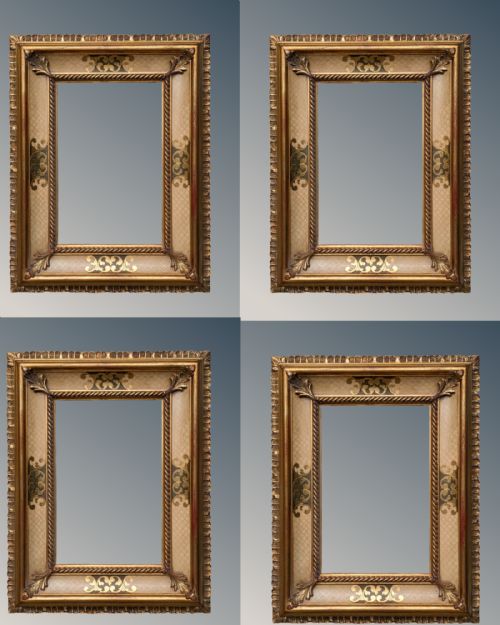
Cabinetmakers utilised hardwoods such as mahogany, oak, and rosewood, alongside softer pines used as a base for decorative surfaces. Frames often combined carved timber with applied gesso layers, which accepted metallic leaf or paint finishes.
Gilding techniques imparted a lustrous metallic surface to carved wood and gesso frames, while simpler items displayed the natural grain of African mahogany or simulated wood finishes. Early examples frequently retained original mercury glass plates showing characteristic ageing and tonal variation.
One Victorian wheel barometer even managed to sneak into the mirror collection inside an onion-top mahogany case.
Judging construction and finish
The standard of a frame rests on the crispness of its hand-carving and the integrity of the underlying gesso moulding. Superior examples display intricate depth in floral or architectural details without the softening caused by excessive over-restoration.
Originality of components dictates much of the standing of a piece, from the retention of early mercury mirror plates to the preservation of original gilding or painted surfaces. Secondary elements like backboards and structural joints provide clear evidence of age and uncompromised provenance.
W.E. Pain of Cambridge
The Classic Wood Mirror Glossary
- Overmantel
- A large mirror specifically proportioned to hang on the wall directly above a fireplace mantelpiece. These pieces often feature extended horizontal formats to match the width of the hearth below.
- Gesso
- A plaster-like mixture applied to wooden frames as a smooth base for gilding or painting. Skilled artisans carved intricate relief details directly into this prepared surface.
- Pier glass
- A tall, narrow mirror designed to be hung on the strip of wall between two windows, often placed above a pier table. They maximised natural light in nineteenth-century drawing rooms.
- Mercury plate
- An early type of mirror glass backed with a tin-mercury amalgam before the adoption of modern silvering processes. It produces a characteristic mottled reflection with subtle dark speckling.
- Cheval mirror
- A freestanding full-length dressing mirror mounted in a frame with pivoting pivots that allow the glass to tilt. They became popular accessories in nineteenth-century bedrooms.
Classic Wood Mirror: Frequently Asked Questions
How do I date an old mirror?
Dating relies on examining the construction of the wooden frame, the joinery at the corners, and the characteristics of the glass plate itself. Hand-cut timbers, old pine secondary woods, and early mercury plates point firmly to nineteenth-century or earlier origins.
Stylistic cues such as classical motifs, gesso application, and revival periods also help narrow down the decade of manufacture. Comparing the backboards and fixings to known period examples confirms the timeframe.
What is a mercury mirror plate?
A mercury plate refers to glass silvered using a traditional tin and mercury technique before the chemical silvering process was introduced in the mid-nineteenth century. This method creates a softer, deeper reflection with characteristic dark spots and foxing.
The presence of original mercury glass adds historical interest to a frame. It distinguishes early pieces from later replacements made with modern float glass.
Where should I hang an overmantel mirror?
An overmantel mirror belongs traditionally above a fireplace, where its horizontal proportions balance the hearth and draw the eye upward. Historically, placing them here also helped reflect candlelight and daylight around the room.
Ensure the wall fixings are rated for the weight of the frame, especially for large carved wood and gesso pieces. Hanging them at the correct height relative to the mantelpiece maintains visual balance.
How do I care for antique giltwood?
Giltwood requires gentle maintenance, avoiding all moisture, chemical sprays, and abrasive cloths that can strip the delicate gold leaf. Dusting should be done lightly with a soft, dry brush.
Keep frames away from direct sunlight and damp environments to prevent the gesso and wood from cracking or warping. Professional restoration is recommended if the surface shows signs of flaking.