

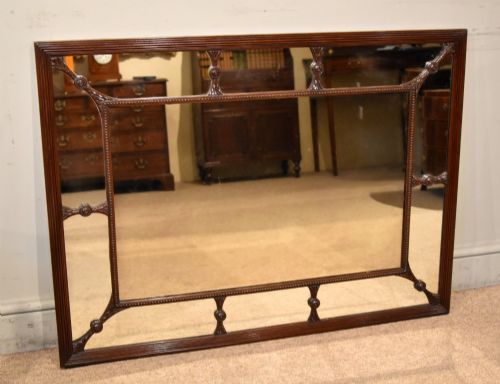
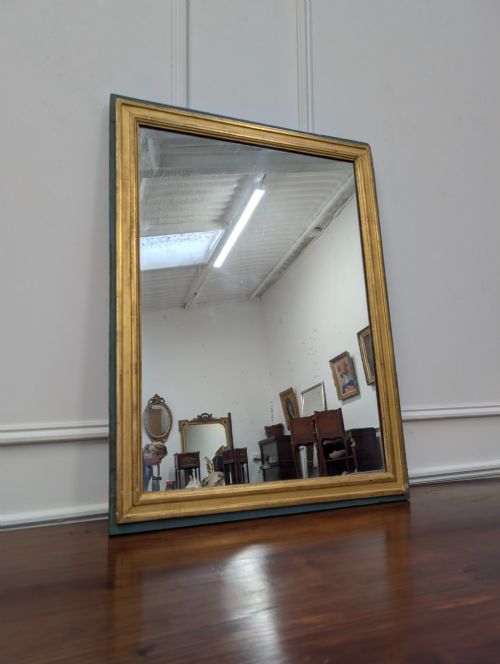
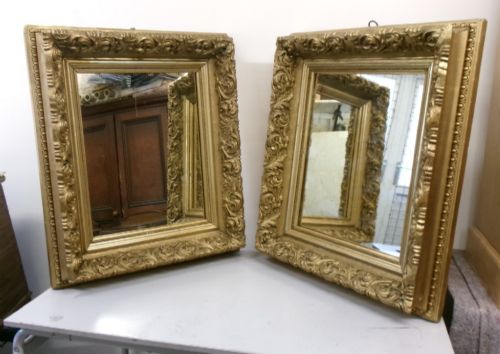
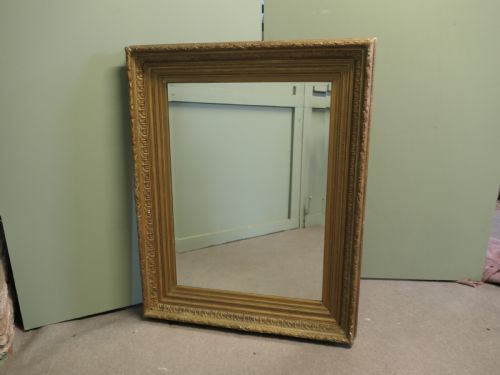
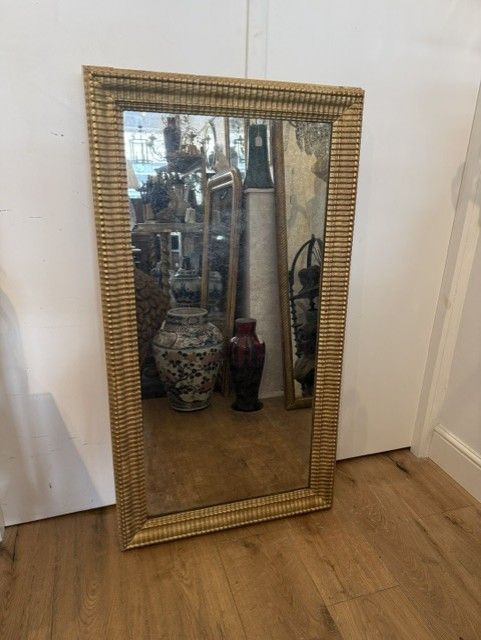

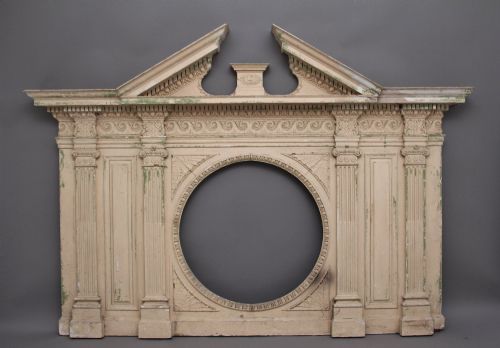

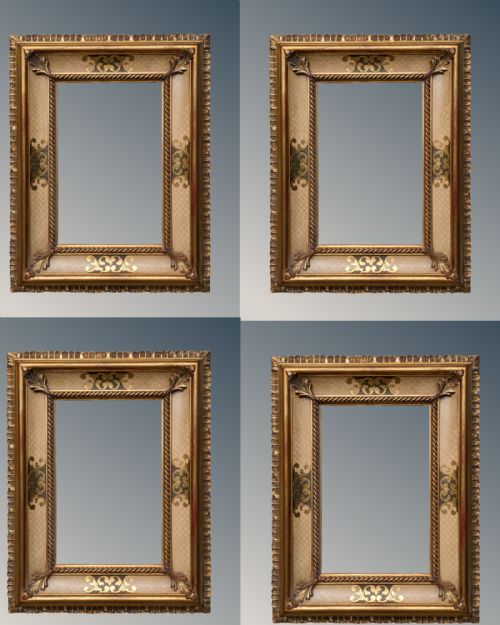


Classic Wood Framed Mirror
A classic wood framed mirror brings warmth and depth to a room through traditional timber and giltwork.
Classic Wood Framed Mirror
A classic wood framed mirror takes several forms across the centuries, appearing primarily as large overmantels, wall mirrors, and pier glasses designed to hang in principal rooms. These pieces utilise timber foundations such as pine, oak, rosewood, and African mahogany, alongside carved gesso and gilded surfaces.
The selection here spans from the eighteenth century through the Victorian and Edwardian eras up to the early twentieth century. Buyers encounter rectangular wall hangings, oval formats, and architectural overmantels spanning distinct decorative revivals.
French influence emerges strongly through gilt wall mirrors executed in the Louis XVI style and neoclassical taste. Alongside these continental pieces, English examples demonstrate the enduring appeal of heavy carved frames, ripple moulding, and simulated wood finishes.
How they were made
Maker's workshops constructed these frames using solid timbers including pine, oak, rosewood, and mahogany as foundational structures. Craftsmen then applied gesso layers over the wood substrate to build up relief ornamentation before applying gold leaf or paint finishes.
Carving required skilled handwork to execute detailed foliage, column frames, and ripple mouldings directly into the timber or gesso. Giltwood and gilded wood treatments involved laying delicate gold leaf onto prepared surfaces, while other pieces received painted finishes or simulated wood effects.
Classic Wood Framed Mirror Retail Price Guide 2026
Typical asking prices for classic wood framed mirror among the pieces listed under this phrase on Sellingantiques today, from the lower quarter to the upper quarter. They describe what is for sale here now, not the wider market.
Ripple frames use hypnotic wave-like wooden mouldings that look like they might start moving if you stare at them long enough after tea.
What varies in quality
The standard of a classic wood framed mirror rests on the depth and crispness of the hand-carved ornament within the wood and gesso. Superior examples show sharp definition in decorative motifs and robust timber joinery that holds heavy plate glass securely.
The quality of the gilding and surface finish also defines the piece, with genuine gold leaf and skilled painted treatments displaying superior longevity and richness compared to later interventions. Original mirror plates exhibiting authentic ageing add further distinction to eighteenth and nineteenth-century examples.
The Classic Wood Framed Mirror Glossary
- Giltwood
- Wood that has been coated with gold leaf or gold paint. This technique creates a luminous surface finish characteristic of formal mirrors from the eighteenth and nineteenth centuries.
- Gesso
- A plaster mixture applied to wood frames as a base for moulding and gilding. Craftsmen carved intricate details directly into this hardened preparation.
- Overmantel mirror
- A large mirror specifically designed to hang above a fireplace mantel. These horizontal formats often feature architectural details like columns.
- Pier glass
- A tall mirror intended to be hung on the pier or wall space between two windows. They reflect additional light into darker Victorian and Georgian interiors.
- Ripple frame
- A frame featuring concentric undulating wave-like ripples moulded into the wood. This style gained popularity during the seventeenth century and saw nineteenth-century revivals.
Classic Wood Framed Mirror: Frequently Asked Questions
How do I date a wood framed mirror?
Dating relies on examining the construction methods of the wood frame, the backing boards, and the type of glass used in the mirror plate. Secondary woods and framing styles provide clear clues to the period of manufacture.
Cabinetmakers used specific joinery techniques and moulding profiles that shifted from the eighteenth century through the Victorian era and into the early twentieth century.
Can I hang an overmantel mirror on a normal wall?
An overmantel mirror can hang on a standard wall provided the fixings are strong enough to support the considerable weight of the timber and glass. These pieces were originally designed for hearth placement.
Professional wall anchoring into structural studs is essential for heavy nineteenth-century giltwood and carved overmantels to ensure safety and stability.
What is a pier glass mirror used for?
A pier glass mirror served to brighten dark spaces by hanging on the narrow wall between two windows. They maximised natural light in formal rooms.
Their tall, vertical proportions allowed them to fit into architectural wall spaces where standard horizontal mirrors would not work.
How do I clean a antique giltwood frame?
Cleaning antique giltwood requires gentle dusting with a soft, dry brush to avoid damaging the delicate gold leaf and gesso layers. Moisture and modern chemical cleaners can strip historical finishes.
Maintaining these frames involves keeping them away from direct sunlight and damp environments to preserve the integrity of the original surface.