



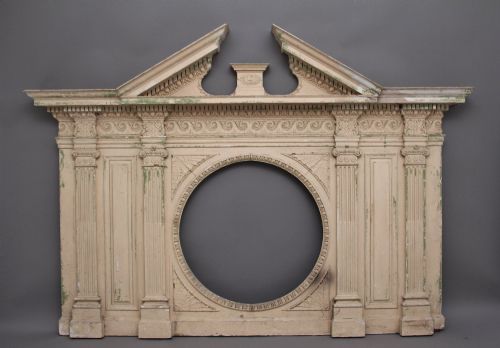

Classic Wood Frame
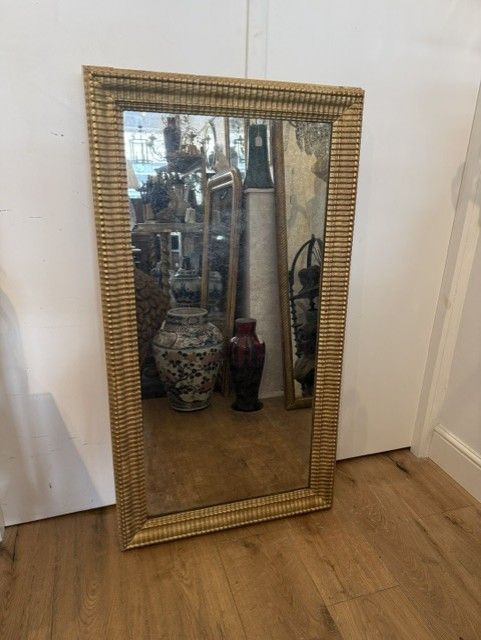
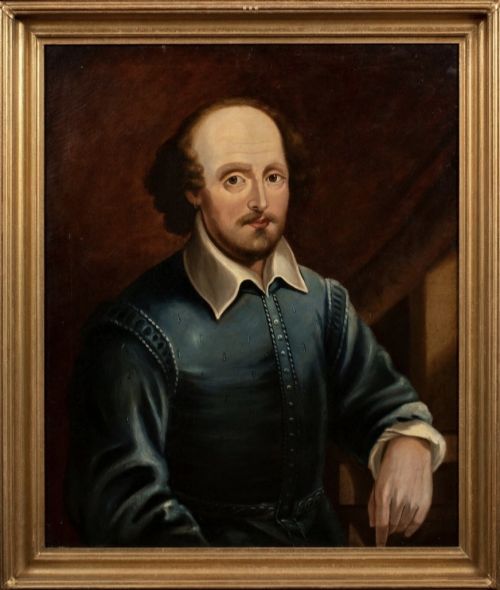
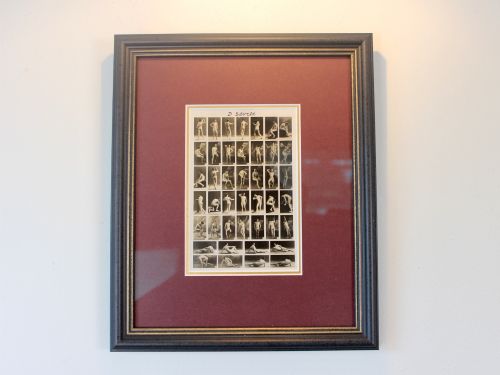
When you search for classic wood frame, you find historical mirrors, oil paintings, and engravings housed in timber surrounds spanning multiple centuries.
Classic Wood Frame
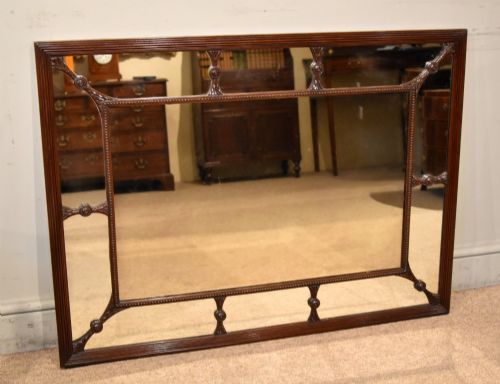
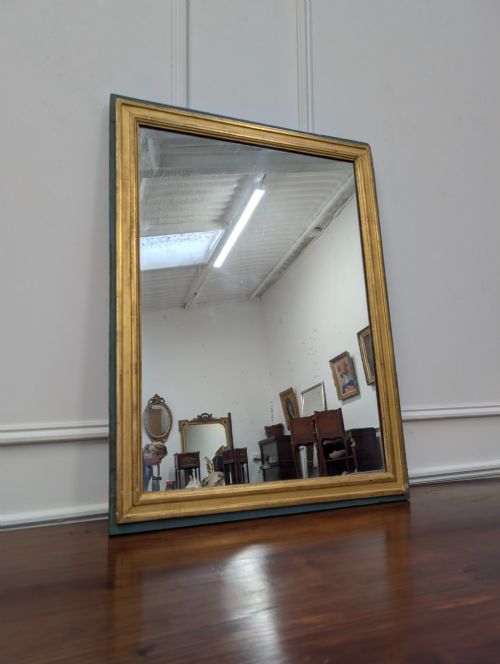
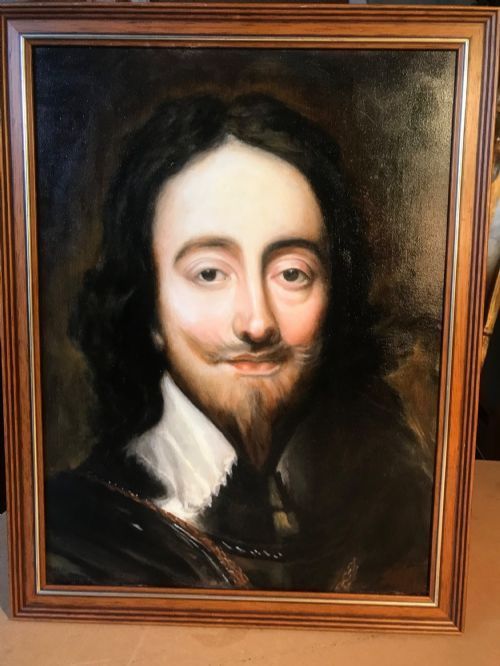
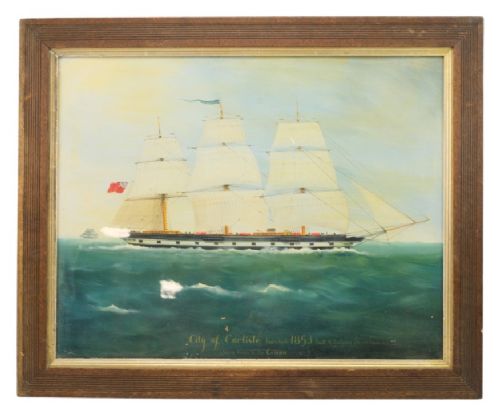
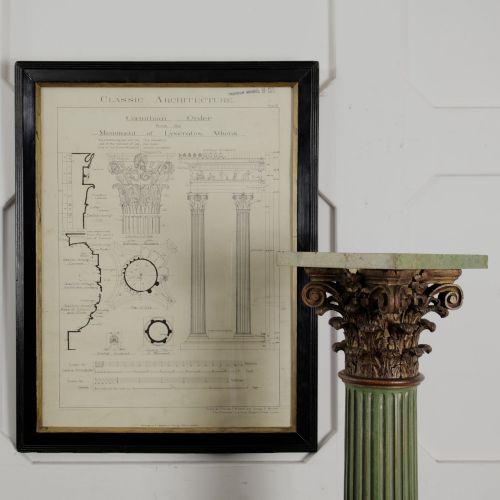
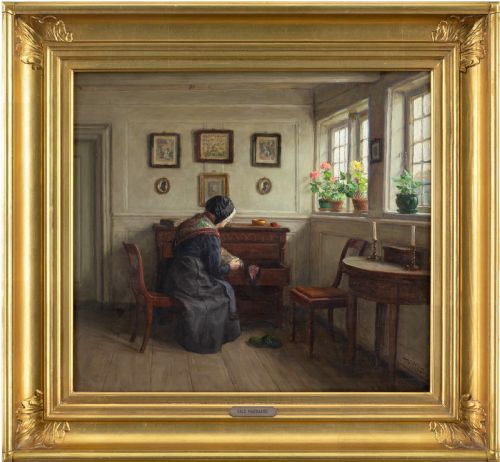
A classic wood frame primarily encloses oil paintings, portraits, and decorative wall mirrors dating from the eighteenth century through to the early twentieth century. These domestic and formal furnishings showcase distinct period tastes, ranging from restrained Georgian proportions to ornate Victorian and Edwardian aesthetics.
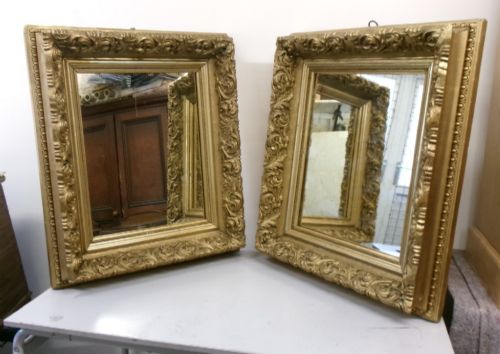
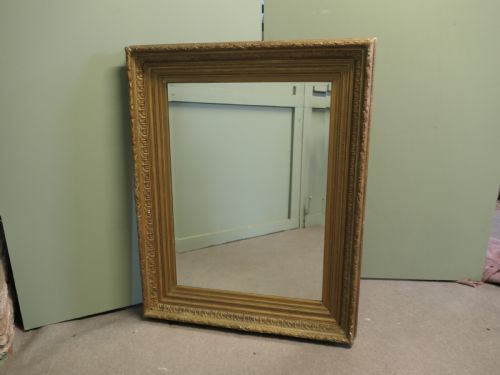
The objects appearing in this category include large overmantle mirrors, pier glass mirrors, landscape canvases, and detailed engravings. Buyers encounter both plain timber surrounds and elaborate gilded or gesso-coated mouldings that reflect the interior decoration trends of their respective eras.
Origins vary across British, French, Italian, and Danish workshops, demonstrating how different European centres approached picture framing and mirror construction. Surviving examples preserve historical artwork alongside the structural surrounds designed to complement them.
Materials and Construction
Carpenters and frame makers relied on solid timbers such as oak, pine, and mahogany, often shaping the wood with hand tools to achieve ripple patterns or smooth moulded profiles. Selected pieces feature applied gesso layers built up over the wood base to receive intricate relief ornamentation and gold leaf gilding.
Surrounds designed to mimic natural timber grains appear alongside gilded surfaces and painted pine structures. Canvas paintings within these housings utilise oil paint applied over prepared fabric grounds, secured directly into the wooden rebate.
Classic Wood Frame Retail Price Guide 2026
Typical asking prices for classic wood frame among the pieces listed under this phrase on Sellingantiques today, from the lower quarter to the upper quarter. They describe what is for sale here now, not the wider market.
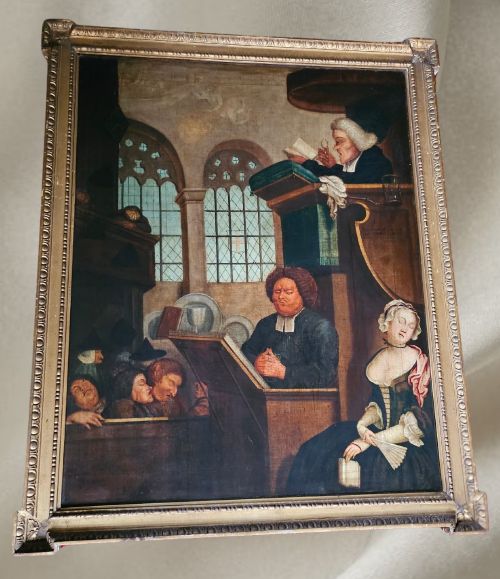
Several mirrors have spent centuries reflecting domestic dinner parties, family portraits, and occasional sleeping congregations.
Assessing Quality
Distinction across the range lies in the depth of hand-carved detail within the wood or gesso, where crisp execution separates standard production from skilled artisan output. Heavier construction timbers and well-preserved original gilding contribute significantly to the visual weight and historical integrity of the piece.
The harmony between the artwork or mirror glass and its surrounding border dictates overall cohesion, as purpose-built frames maintain proportions that respect the central subject. Integration of original backing materials and period mounting techniques further elevates a piece above simpler later adaptations.
Howard And Sons
The Classic Wood Frame Glossary
- Giltwood
- Timber that has been coated with a thin layer of gold leaf over a prepared gesso base. This finish is commonly found on formal mirrors and grand picture frames.
- Gesso
- A plaster-like mixture applied to wood surfaces to create a smooth layer for carving or gilding. It allows makers to fashion raised ornamental details.
- Overmantle Mirror
- A large mirror specifically proportioned to hang above a fireplace mantelpiece. These fixtures often feature decorative wooden or gesso frames.
- Pier Glass
- A tall mirror designed to be hung on the pier, the stretch of wall space situated between two windows. They frequently incorporate heavy carved frames.
- Engraving
- A printmaking technique where an image is incised into a metal plate, which is then inked and pressed onto paper. These prints are traditionally displayed behind glass within wooden frames.
Classic Wood Frame: Frequently Asked Questions
What periods do these pieces represent?
The selection spans from the late seventeenth century through the Georgian and Victorian eras up to the early twentieth century. Pieces reflect the prevailing stylistic shifts of each decade.
Craftsmanship methods evolved across these periods, moving from hand-carved wooden mouldings to incorporate ornate gesso work and simulated finishes.
How were overmantle mirrors used?
Overmantle mirrors were positioned directly above domestic fireplaces to reflect light and visually expand the room. Their substantial wooden frames anchored them as focal points in period interiors.
These large fixtures often matched the architectural scale of the chimney breast and the surrounding decorative scheme.
Are the paintings original to their frames?
Many oil paintings and portraits retain their original period housings, designed specifically to complement the artwork. Some pieces combine later framing with historical canvases or vice versa.
Examining the rebate and backing helps determine the historical relationship between the artwork and its surrounding timber.
How do I identify a Victorian frame?
Victorian examples frequently display heavier proportions, deep mouldings, and robust construction utilising woods like oak or pine. They often incorporate rich gilding or dark polished finishes.
Stylistic cues draw upon revival movements and industrial manufacturing techniques that emerged during the nineteenth century.