




Classic Wood Clock
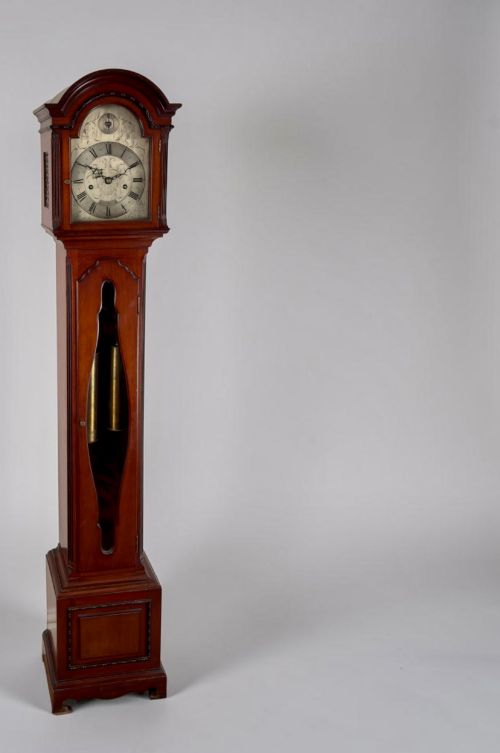
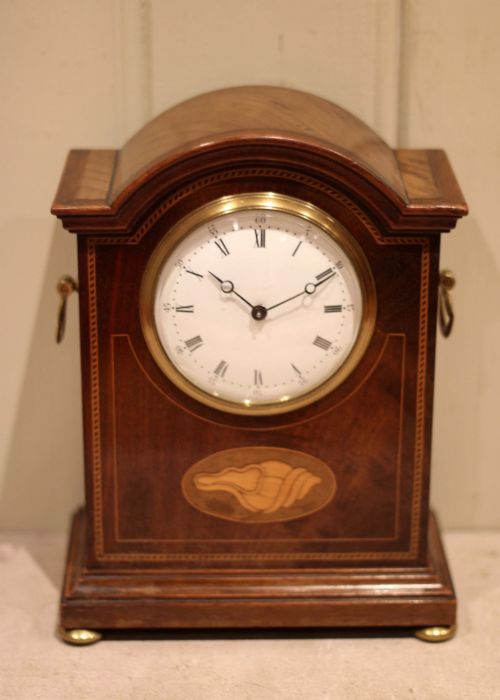
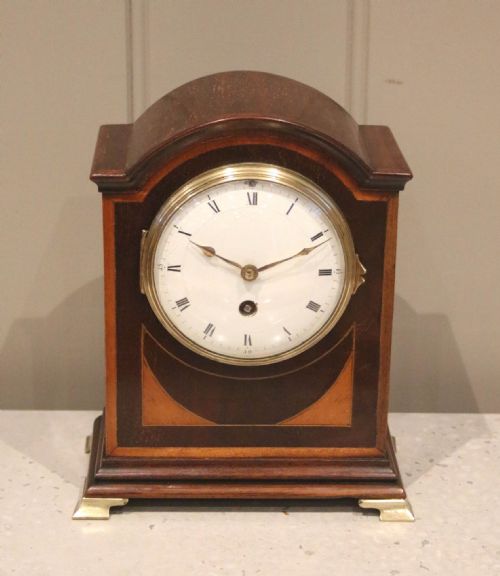
These classic wood clock selections range from compact Edwardian mantel pieces to substantial Georgian longcase designs crafted in rich timbers.
Classic Wood Clock
A classic wood clock encompasses a diverse range of timepieces spanning mantel clocks, table clocks, wall clocks, bracket clocks, grandmother clocks, and longcase clocks. These pieces showcase traditional cabinetry constructed from materials such as mahogany, rosewood, and satinwood inlay.
Buyers encountering this selection will most frequently find mantel clocks and bracket clocks dating from the Edwardian period, the nineteenth century, and the Georgian era. These variations reflect domestic timekeeping needs across different centuries of British interior design.
How they were made
Cabinetmakers utilised dense timbers like mahogany and rosewood, frequently incorporating lemonwood and satinwood inlay to create decorative geometric or floral banding on the clock cases. These wooden housings were designed to enclose mechanical movements while displaying polished timber surfaces.
Dials incorporated materials such as enamel and brass, often paired with protective glass bezels to shield the clock face. Internal mechanisms ranged from eight-day striking trains to twin fusee movements, housed securely within the timber structures.
Classic Wood Clock Retail Price Guide 2026
Typical asking prices for classic wood clock among the pieces listed under this phrase on Sellingantiques today, from the lower quarter to the upper quarter. They describe what is for sale here now, not the wider market.
Some mantel clocks required a heavy brass key just to keep them ticking, turning winding the clock into a weekly household ritual.
What varies in quality
The refinement of the cabinetwork distinguishes finer examples, particularly where intricate satinwood or lemonwood inlay meets precisely joined mahogany or rosewood cases. Superior execution shows in the crispness of the wood grain alignment and the integration of brass mounts.
Movement sophistication also dictates the hierarchy among these timepieces, separating standard domestic models from complex twin fusee bracket clocks or signed creations by notable makers. The fidelity of the enamel dial and the precision of the brass components further mark the grade of the piece.
Gillett and Johnston of Croydon·Charles Frodsham and Holingue Freres·DeLa Salle and Christie
The Classic Wood Clock Glossary
- Mantel clock
- A portable clock designed to sit on a fireplace mantelpiece or shelf, typically housed in a decorative wooden case.
- Bracket clock
- A traditional portable clock originally designed to rest upon a wall bracket, though frequently placed on furniture in later periods.
- Twin fusee
- A mechanical movement using two fusee cones and chains to equalise the pull of the mainspring, ensuring accurate timekeeping as the power unwinds.
- Longcase clock
- A tall, floor-standing pendulum clock enclosed in a wooden case, commonly known as a grandfather or grandmother clock depending on its height.
Classic Wood Clock: Frequently Asked Questions
What is a bracket clock?
A bracket clock is a portable spring-driven timepiece developed in the seventeenth century, designed to sit on a matching wall bracket or a table.
Over time, the term remained in use for substantial table clocks housed in architectural wooden cases with brass carrying handles.
How do fusee movements work?
A fusee movement employs a cone-shaped pulley connected to the mainspring by a fine chain, which compensates for the diminishing power of the spring as it unwinds.
This mechanical device ensures an even distribution of energy to the gear train, resulting in more consistent timekeeping.
What timber was used most?
Mahogany served as the predominant timber for clock cases across the Georgian, Victorian, and Edwardian periods due to its stability and rich grain.
Rosewood and satinwood inlay were also employed frequently to add decorative contrast and surface pattern to the cabinetry.
Where were mantel clocks placed?
Mantel clocks were designed primarily for domestic reception rooms, sitting atop the wooden or stone mantel shelf above a fireplace.
Their compact proportions allowed them to function as both decorative objects and practical timepieces within main living spaces.