



Classic Wing Armchair
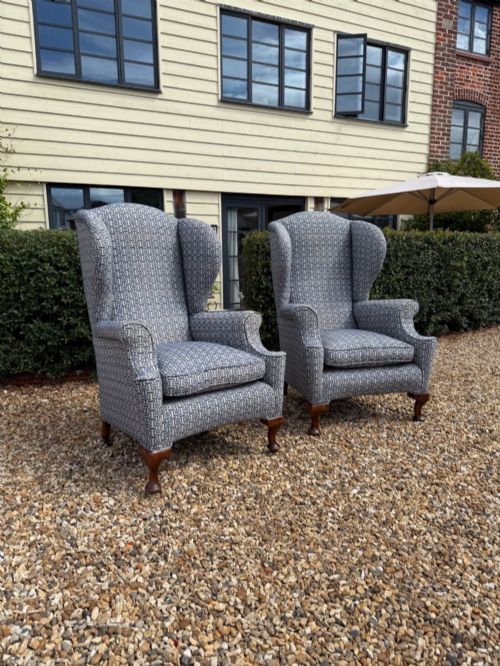
A classic wing armchair provides high-sided shelter from draughts, offering a commanding presence in a room.
Classic Wing Armchair
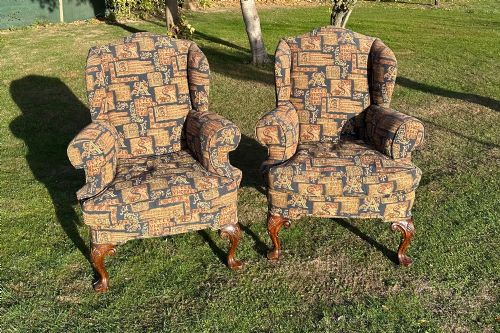
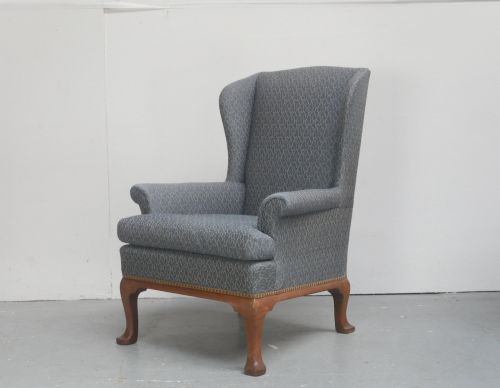
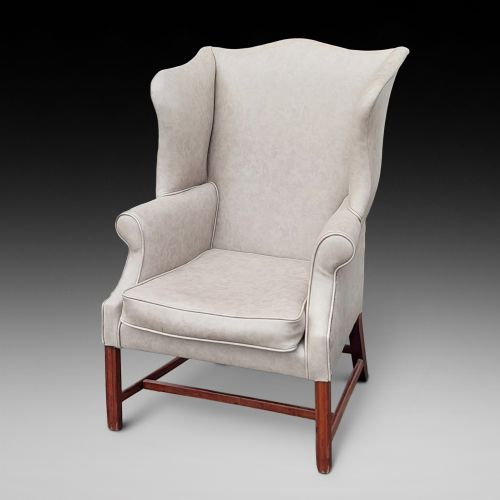
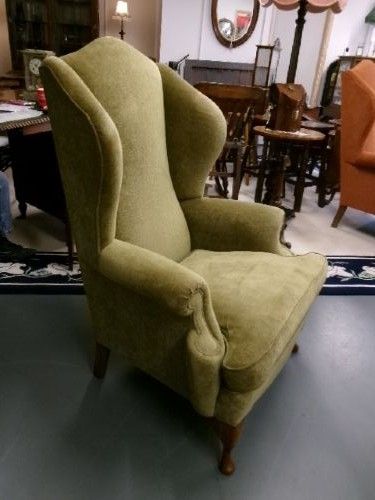
A classic wing armchair is a substantial seating form designed to protect the sitter from cold air by enclosing the head and shoulders in upholstered wings. The selection spans distinct periods, ranging from genuine eighteenth-century examples to later nineteenth-century pieces and subsequent revival interpretations.
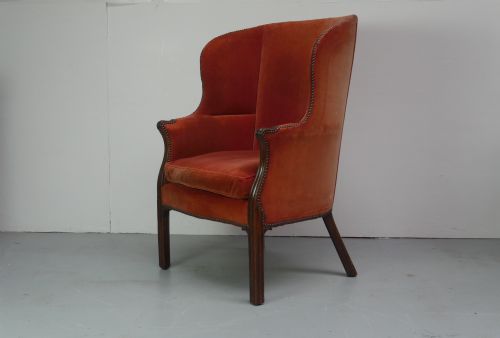
Buyers encounter various formal iterations on this page, including traditional high-backed wing chairs, curved barrel back variants, and deep-seated porter's armchairs. Materials encompass exposed mahogany and hardwood frames alongside leather and fabric upholstery.
The aesthetic leans heavily toward traditional British designs, with Georgian and Victorian influences predominating across the current inventory. Makers and styles trace a lineage from authentic period work to later revivals executed in similar proportions.
How they were made
Construction relies upon robust hardwood frames, frequently fashioned from mahogany or walnut, providing a stable skeleton to support heavy upholstery. Traditional joinery secures the structural load, while carved details adorn the wooden show-frames and legs where visible.
Upholstery techniques involve layered stuffing contained within fabrics such as leather, velvet, or woven textiles, often secured with brass detailing. The incorporation of springing and internal webbing evolved across the periods represented, changing the density and resilience of the seat.
Classic Wing Armchair Retail Price Guide 2026
Typical asking prices for classic wing armchair among the pieces listed under this phrase on Sellingantiques today, from the lower quarter to the upper quarter. They describe what is for sale here now, not the wider market.
Early winged guardians designed to trap the heat of a coal fire now spend their retirement absorbing central heating.
What varies in quality
Quality rests upon the integrity of the underlying timber frame and the fidelity of its proportions, distinguishing master joinery from routine production. The sharpness of carved detail on mahogany legs and the structural soundness of the wing supports indicate the original maker's skill.
The grade of covering materials and the execution of the upholstery work create a distinct separation between standard examples and superior pieces. Original period surfaces and untouched leather display an aged character that differs markedly from later interventions.
HOWARD AND SONS·GILLOWS
The Classic Wing Armchair Glossary
- Wingback
- An upholstered chair featuring projecting side panels attached to the arms or back, originally conceived to shield the sitter from draughts. These wings frame the user and define the silhouette.
- Barrel back
- A seating form where the back and arms form a single continuous semicircular curve, creating an enclosed and enveloping posture. This shape appears in both compact and large dimensions.
- Porter's armchair
- A deeply hooded chair traditionally used in drafty entrance halls to keep attendants warm, featuring a high enclosed top. The design offers maximum protection against cold air.
- Mahogany
- A durable tropical hardwood favoured for its rich red-brown hue and stability, frequently utilised for chair frames and legs. It takes a fine finish and supports intricate carving.
- Georgian style
- An aesthetic descriptor encompassing design characteristics from the reigns of the four Georges, noted for classical proportions and refined craftsmanship. Revival pieces emulate these historic outlines.
Classic Wing Armchair: Frequently Asked Questions
How do I spot an 18th-century piece?
Eighteenth-century examples display timber framing, hand-forged fixings, and traditional stuffing materials beneath the surface covering. Examining the underside and the joinery reveals the age of the construction.
Proportions on older pieces tend to be more restrained, and wear patterns on the wood reflect centuries of domestic use. Comparing the frame style to documented pieces from the same period confirms the chronology.
Are leather or fabric versions better?
Leather and fabric serve different interior aesthetics and practical requirements, with neither being intrinsically superior to the other. Leather develops a rich patina over time and resists spills effectively.
Fabric offers texture and softness, though it is more susceptible to wear and staining. The choice depends on the room's function and personal preference for tactile qualities.
Can these chairs fit in modern rooms?
Their strong silhouettes allow them to anchor contemporary spaces when balanced with simpler modern furnishings. The substantial scale creates a strong focal point in a living room or study.
Placing the chair away from walls lets the wing profile and rear woodwork remain visible. Neutral upholstery helps older frames blend into modern colour schemes.
What is a porter's armchair used for?
A porter's armchair was historically placed in hallways to shelter doorkeepers from cold drafts coming through the main entrance. The enclosed hood trapped body heat around the sitter.
In modern settings, the enclosed shape offers privacy for reading or quiet conversation. It functions as a statement piece due to its towering hooded structure.