
Classic Vintage Wristwatch
A classic vintage wristwatch combines mechanical timekeeping from the 1930s to the 1960s with enduring design.
Classic Vintage Wristwatch
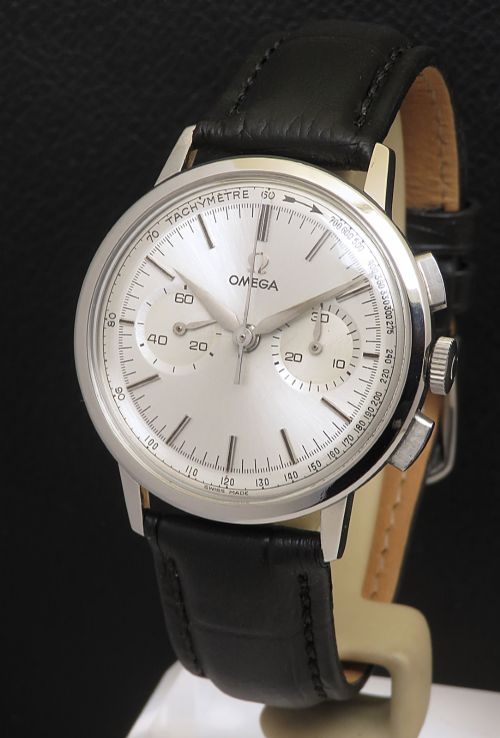
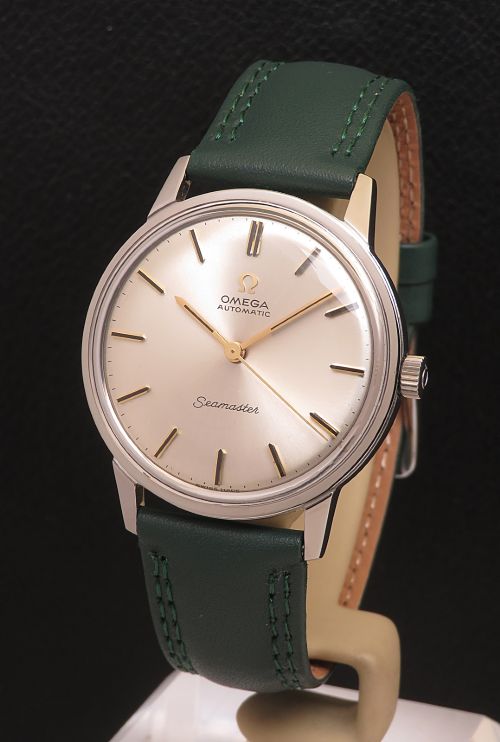
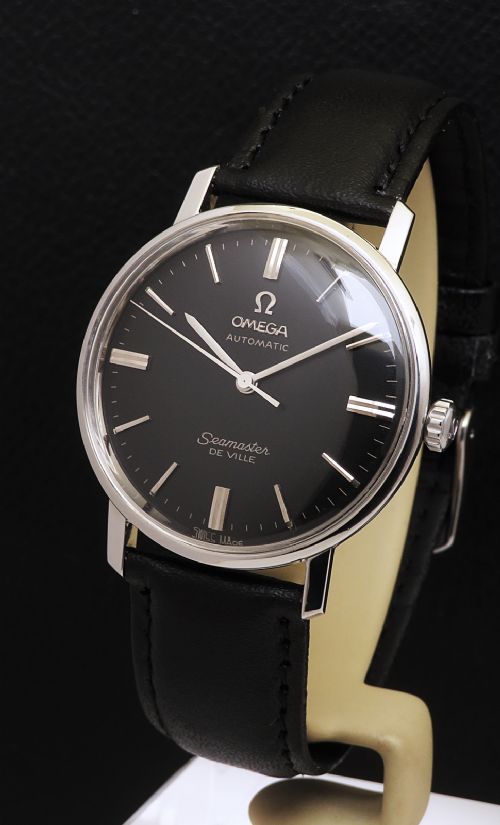
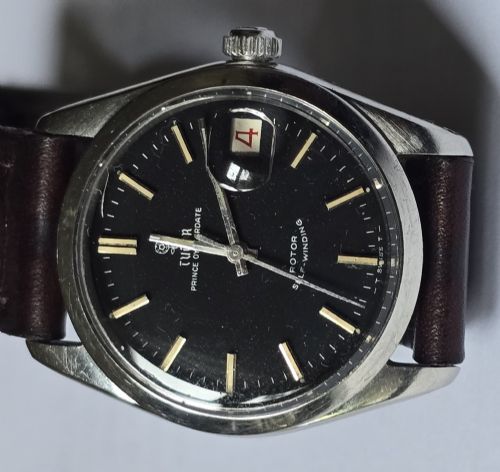
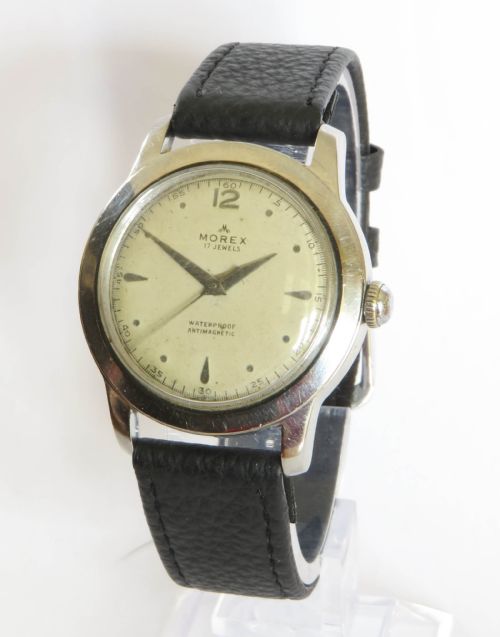
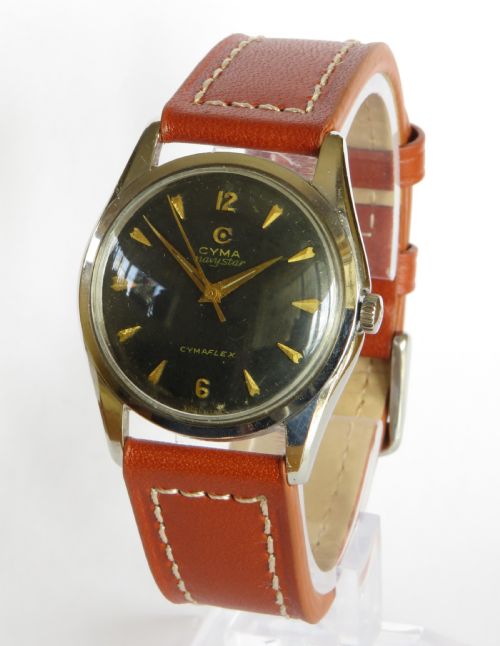
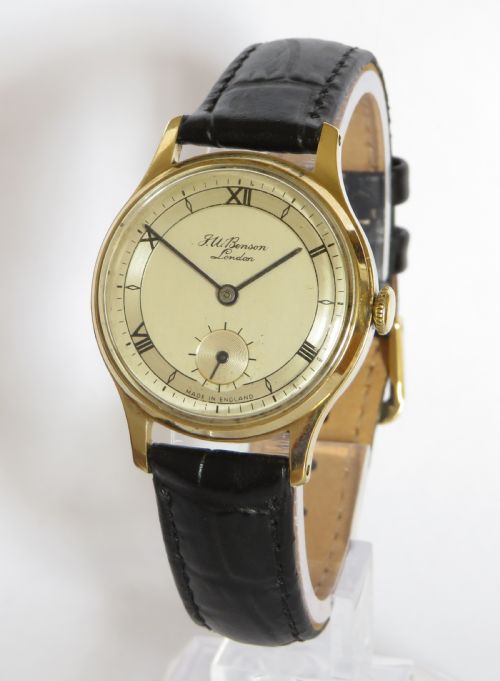
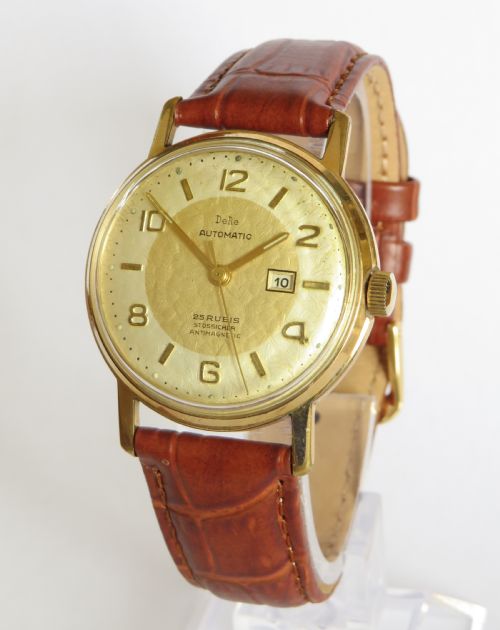
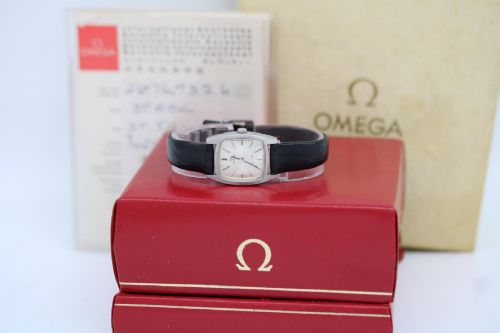
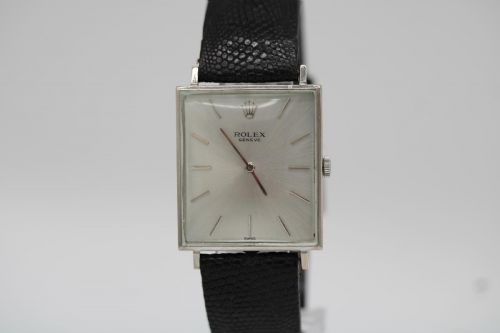
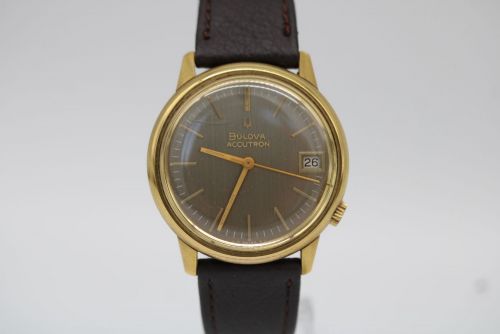
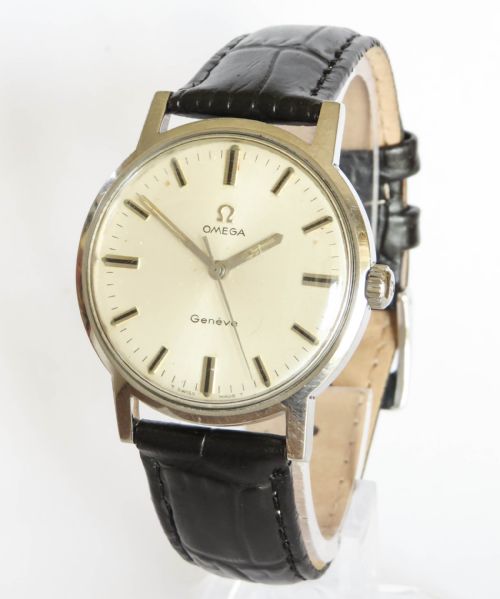
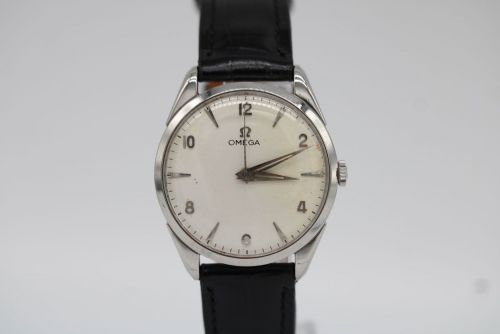
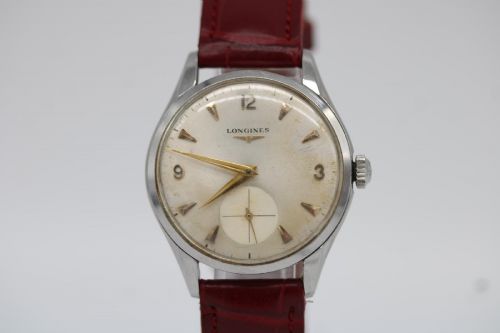
A classic vintage wristwatch represents a wearable piece of mid-century design, spanning decades from the 1930s through to the 1970s. These pieces include automatic and manual wind timepieces produced by notable Swiss and British makers.
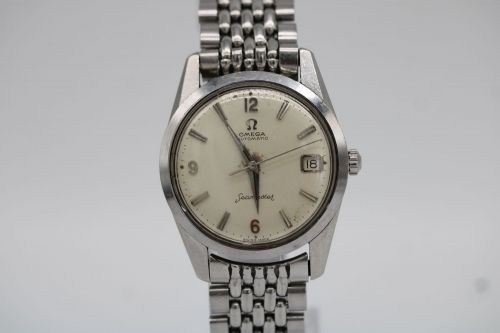
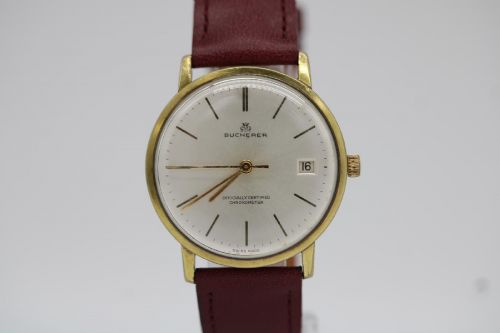
The selections encountered on this page focus heavily on mid-century examples from the 1950s and 1960s. Formats range from robust stainless steel Seamaster models to elegant gold-plated dress watches.
Buyers seek these wristwatches for their mechanical integrity and historical charm. Each piece reflects the aesthetic shifts of mid-century modern and Art Deco styles.
Materials and Construction
Watchmakers utilised durable metals such as stainless steel, chrome, gold plate, and solid 9ct or 18ct gold for cases. Dials were protected by clear glass or acrylic glass crystals.
Movements relied on complex mechanical gearing, driven by manual wind mechanisms or automatic weights. Straps fashioned from quality leather completed the assembly.
Some vintage dials earned affectionate nicknames like the smiley dial for their cheerful curved text.
Quality Variations
Distinctions in quality often rest upon the sophistication of the internal calibre and the preservation of original components. Pieces retaining their original dials and signed crowns command greater regard among collectors.
The choice of casing metal also defines the tier of the watch, with solid gold variations sitting above gold-plated or chrome equivalents. Maintenance history and recent servicing directly influence the operational reliability of the movement.
Omega·Tudor·Longines·Smiths·Bulova·Cyma·Eterna
The Classic Vintage Wristwatch Glossary
- Calibre
- The specific internal movement design and model created by the watchmaker. This identifier helps experts determine the exact mechanical lineage of the watch.
- Automatic
- A self-winding mechanical movement that uses the natural motion of the wearer's wrist to power the mainspring. This removes the need for daily manual winding.
- Acrylic glass
- A lightweight, shatter-resistant plastic material utilised for watch crystals during the mid-century period. It can be easily polished to remove minor surface scratches.
- Chronometer
- A high-precision watch movement that has successfully passed rigorous official accuracy tests. These timepieces represent superior manufacturing standards.
Classic Vintage Wristwatch: Frequently Asked Questions
How do I wind a manual watch?
Gently rotate the crown clockwise between your thumb and forefinger until you feel gentle resistance. Stop immediately to avoid damaging the mainspring.
Perform this action at roughly the same time each day to maintain consistent timekeeping.
Are vintage watches waterproof?
Original water resistance seals degrade significantly over decades of ageing. Exposure to moisture can cause severe internal rust and dial damage.
Keep these timepieces away from water unless modern gaskets have been professionally installed and tested.
How often should a vintage watch be serviced?
Mechanical movements require periodic cleaning and lubrication to prevent wear on metal gears. A professional service every three to five years ensures longevity.
Watchmakers dismantle the movement, clean the components, and apply fresh oils during this process.
Can I wear a vintage watch daily?
Many collectors enjoy wearing mid-century timepieces as part of an everyday wardrobe. Proper care and awareness of their age ensure they remain reliable companions.
Avoid wearing them during rigorous physical activities or heavy manual work.