

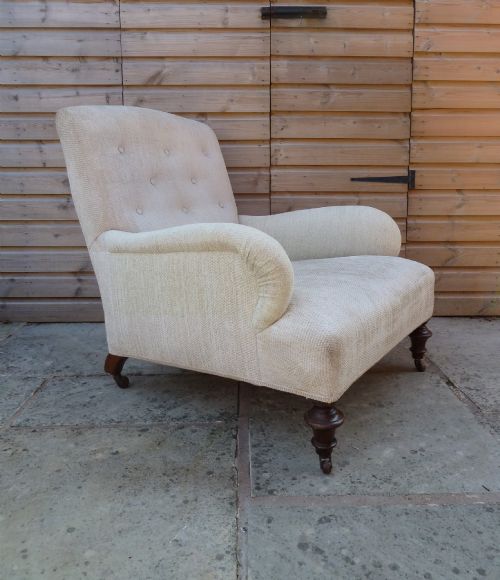


Classic Victorian Seating
Classic victorian seating brings domestic comfort and period character to a room through mahogany frames, leather upholstery, and turned wood.
Classic Victorian Seating
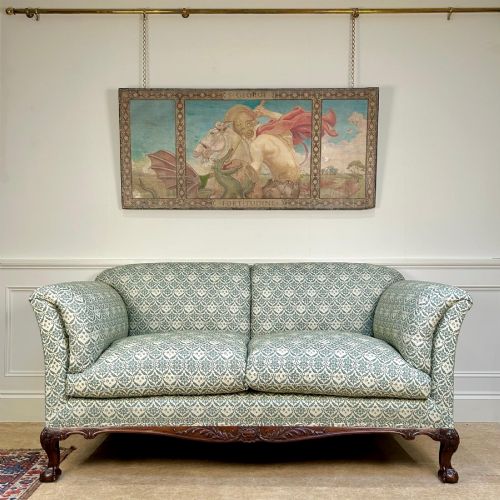
Classic victorian seating encompasses a variety of domestic furnishings designed for comfort and reception rooms during the nineteenth century. Buyers searching this phrase encounter numerous armchairs, sofas, dining chairs, and settees built for nineteenth-century interiors.
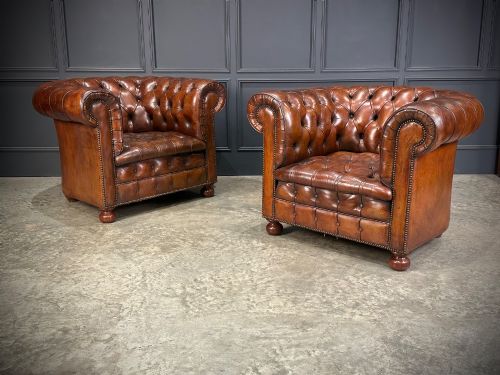
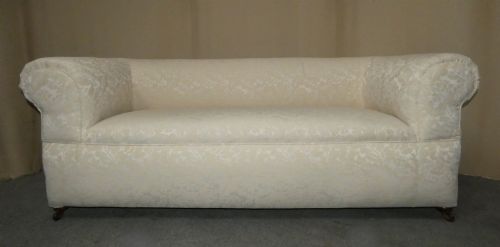
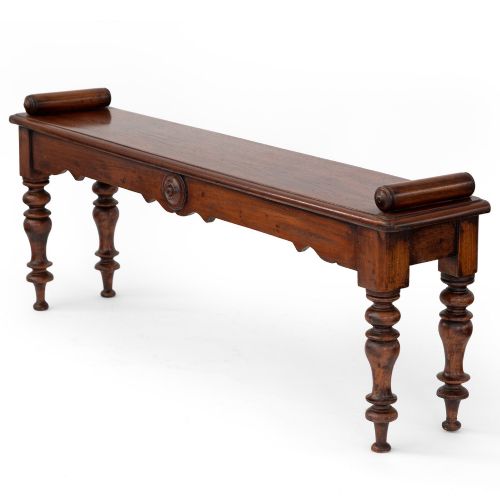
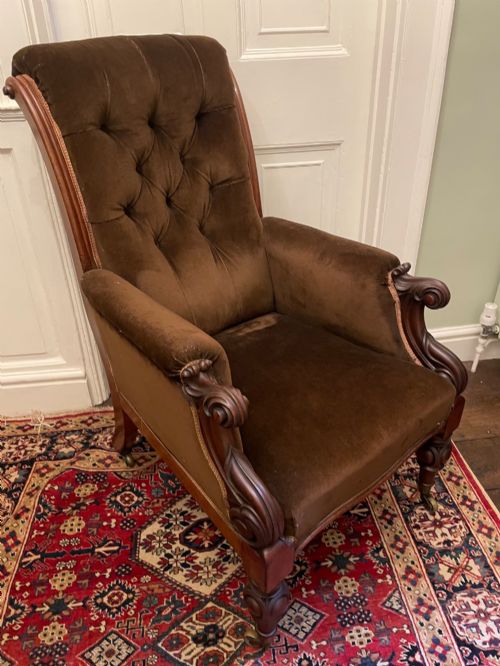
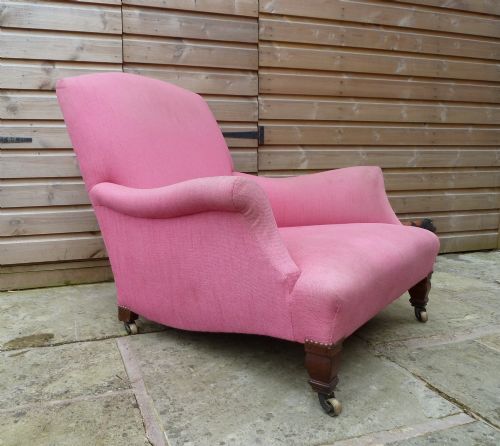
The selections span distinct forms including library chairs, nursing chairs, window seats, and Chesterfield sofas. Mahogany, rosewood, and walnut frame structures support upholstery in leather, velvet, and various fabrics.
While the dominant period is Victorian, the inventory also captures pieces influenced by Regency designs and Edwardian updates, alongside English country house aesthetics.
Materials and construction methods
Makers constructed frames primarily from dense hardwoods such as mahogany, walnut, and rosewood, often shaping them with reeded details or cabriole legs. These solid timbers provided the structural foundation for heavy daily use.
Upholstery relied on traditional stuffing methods, utilising materials like feather fill alongside durable top coverings in leather, velvet, and cotton fabric. Brass details and castors frequently completed the assembly of larger armchairs and sofas.
Classic Victorian Seating Retail Price Guide 2026
Typical asking prices for classic victorian seating among the pieces listed under this phrase on Sellingantiques today, from the lower quarter to the upper quarter. They describe what is for sale here now, not the wider market.
Among the heavy velvet sofas and mahogany chairs sits a solitary clock, keeping strict time over the seating arrangement.
Factors of quality and distinction
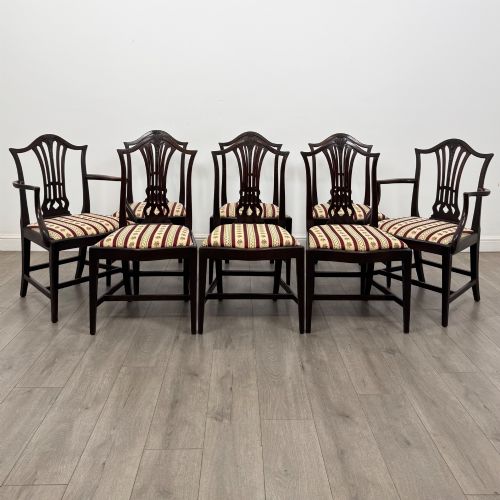
Quality in these pieces rests upon the integrity of the timber frame and the precision of hand-carved elements, such as shield backs or reeded library chair legs. Finer examples display superior joinery that maintains stability without modern reinforcement.
The execution of the upholstery work, from the choice of velvet or leather to the underlying support, dictates the refinement of the finished seat. Pieces bearing identifiable workshop characteristics or specific maker attributions stand apart in execution.
Howard And Sons·Robert Strahan And Co·Gillow·John Dalziel Kenworthy
The Classic Victorian Seating Glossary
- Shield back
- A chair back shaped like a heraldic shield, popular in traditional dining chair designs. This form requires careful carpentry to achieve the curved wooden perimeter.
- Nursing chair
- A low-seated armchair designed in the nineteenth century for comfort while tending to infants or sitting near low hearths. They frequently feature padded backs and low wooden frames.
- Chesterfield sofa
- A deep-buttoned upholstered sofa featuring rolled arms of the same height as the back. These large seating pieces traditionally utilise leather or heavy fabric coverings.
- Carver
- An armchair designed to match a set of smaller dining chairs, traditionally placed at the heads of a dining table. They offer supportive wooden armrests alongside the standard dining height.
- Reeded
- A decorative surface treatment consisting of parallel convex mouldings carved directly into the wood. This technique appears frequently on the legs of library chairs and tables.
Classic Victorian Seating: Frequently Asked Questions
What defines classic victorian seating?
These pieces comprise nineteenth-century wooden chairs, sofas, and benches built for domestic comfort and formal reception rooms. They utilise traditional materials like mahogany, leather, and velvet.
Designs range from buttoned Chesterfield sofas to shield back dining chairs and low nursing seats. Each form reflects the domestic requirements of the period.
How do I care for antique leather upholstery?
Antique leather requires gentle cleaning and regular conditioning to prevent the natural material from drying and cracking over time. Avoid placing these seats near direct heat sources or strong sunlight.
Dusting with a soft, dry cloth helps maintain the surface finish without stripping the original patination developed across the nineteenth century.
How were dining chairs used originally?
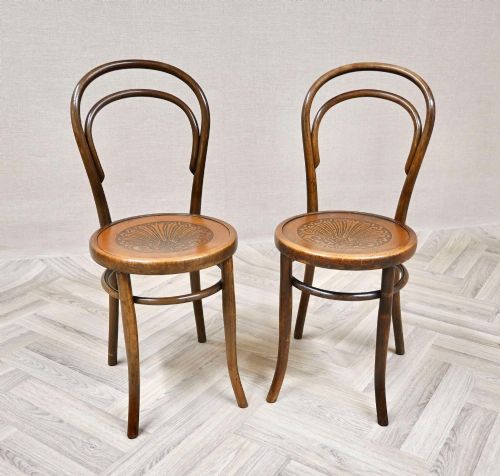
Dining chairs provided seating around the main dining table for family meals and formal entertaining. Sets typically included standard chairs alongside a pair of carvers for the hosts.
Their robust mahogany frames allowed them to withstand daily movement and gathering around the hearth or dining room.
How do I distinguish Regency from Victorian styles?
Regency designs often show inspiration from classical antiquity, featuring cleaner lines, sabre legs, and architectural restraint. Victorian forms tend toward heavier proportions, deeper buttoning, and more elaborate carved details.
Examining the wood choice, leg shape, and upholstery style helps clarify the transitional period between these two eras.