
Classic Table Lamps
Classic table lamps bring character and warmth to a room, offering functional illumination through enduring materials and historical design.
Classic Table Lamps
Classic table lamps encompass a diverse array of lighting pieces that span multiple centuries of domestic design. When exploring classic table lamps on this page, buyers frequently encounter pieces adapted from earlier lighting forms alongside purpose-built electric designs.
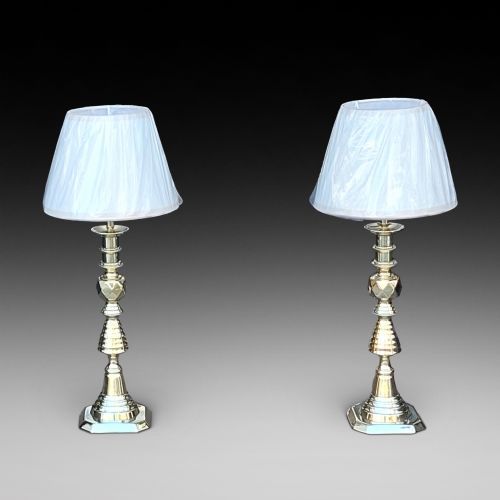
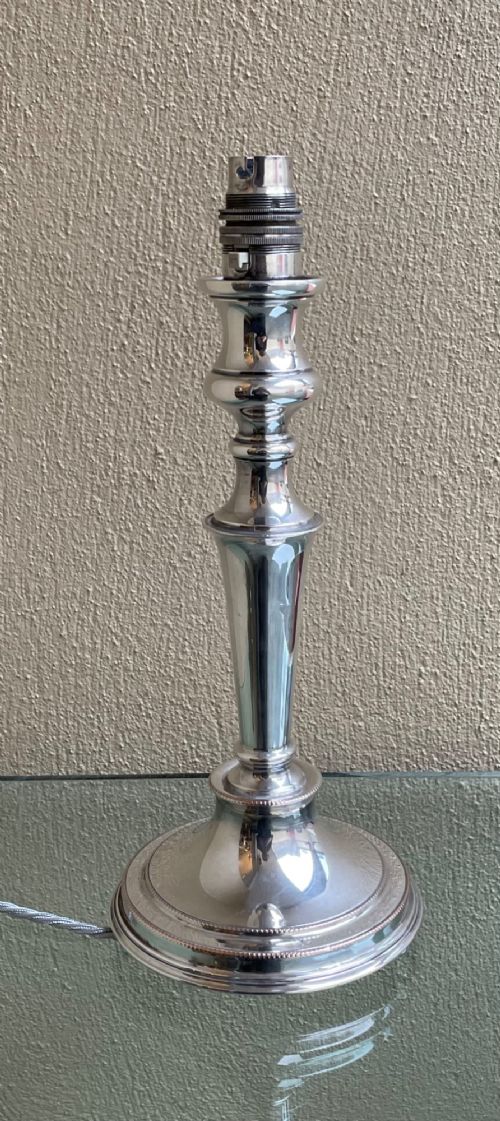
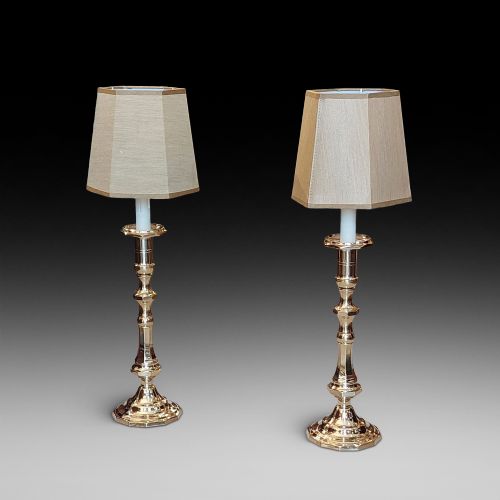
The selection ranges across Victorian, Edwardian, and Art Deco periods, drawing heavily on Neoclassical, French Empire, and Rococo Revival styles. Many items originate from conversions of earlier candlesticks and oil lamps, retaining their original proportions while integrating modern electrical fittings.
Materials and construction
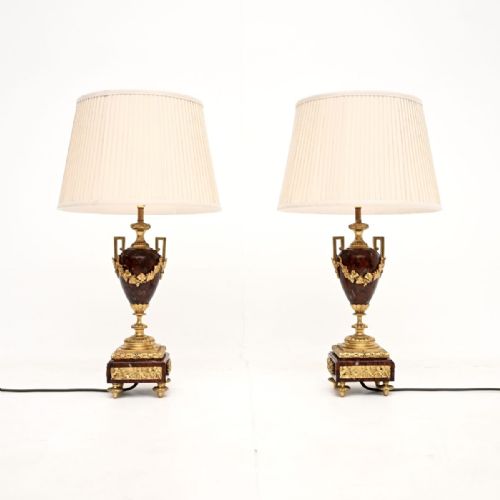
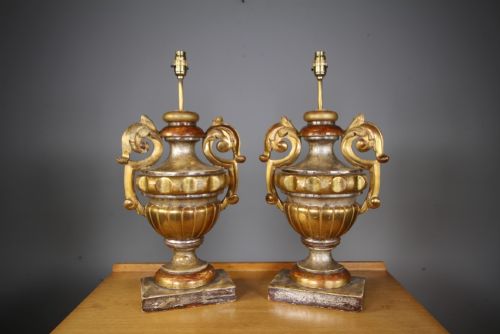
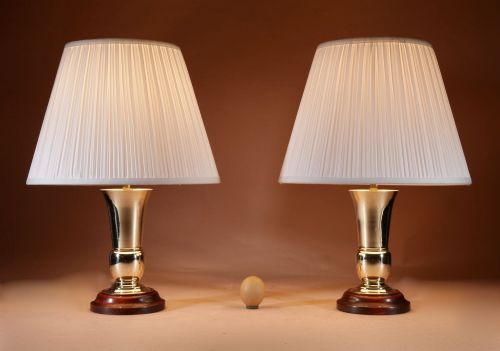
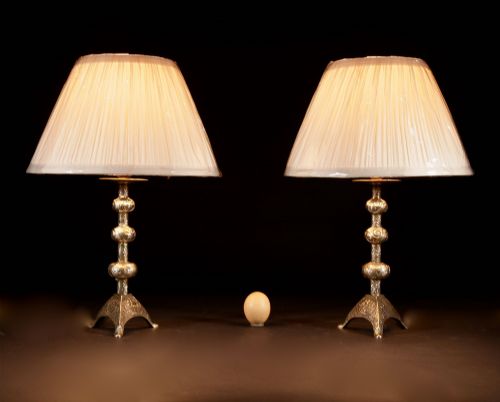
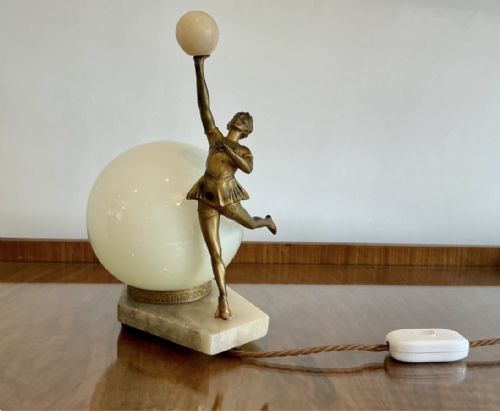
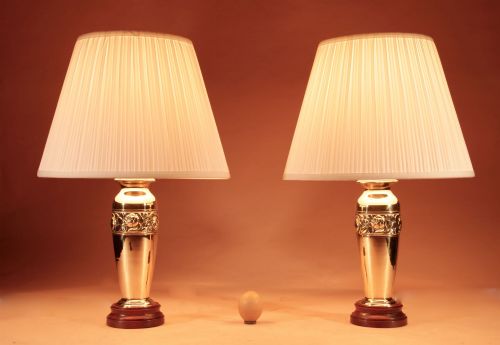
Makers utilised heavy metals including brass, bronze, silver plate, and ormolu to form structural bodies and decorative mounts. These metal elements are frequently paired with carved wood, alabaster, marble, and cut crystal glass to create substantial bases.
Fabric shades and hand-painted porcelain or pottery bodies add texture and colour to the finished composition. Metal components often display chased or gilt surface treatments, whilst wooden elements utilise mahogany, walnut, and pine.
Bronze cherubs occasionally hold aloft electrical sockets, bravely stepping in to illuminate the modern drawing room.
Distinctions in quality
Quality rests upon the weight and purity of the materials employed, such as solid cast brass versus plated alternatives, and the crispness of chased or carved details. Finer pieces demonstrate superior integration where original candlesticks or statues are converted into lighting fixtures.
Proportion and balance dictate the visual success of a piece, with high-end examples maintaining harmonious lines between base and shade. The provenance of maker-stamped components and the preservation of original patination further elevate the standing of a lamp.
Faraday and Sons·Royal Worcester
The Classic Table Lamps Glossary
- Bouillotte lamp
- A traditional desk or table lamp featuring a central standard and an adjustable metal shade, often finished in toleware. These designs originated in France for card games.
- Corinthian column
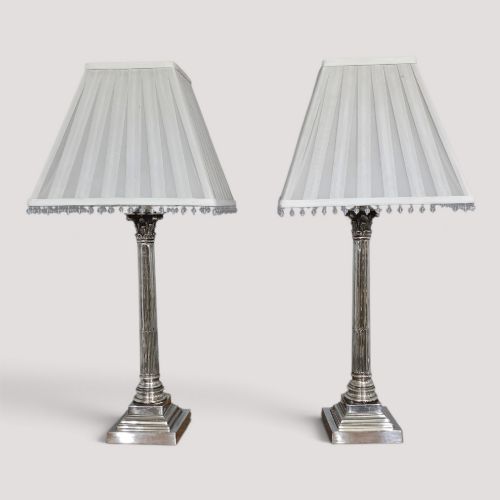
- An architectural column order featuring an ornate capital decorated with acanthus leaves, frequently utilised for classical brass and bronze lamp standards. This form draws directly on ancient Greek architecture.
- Ormolu
- Gilt bronze mounted or applied as a decorative finish on furniture and lighting pieces, popular during the eighteenth and nineteenth centuries. The technique involves applying a gold-mercury amalgam to bronze.
- Toleware
- Painted or enamelled sheet metal items, commonly used for lamp shades in historical French designs. It provides a durable surface that holds deep colours.
Classic Table Lamps: Frequently Asked Questions
How are old candlesticks converted into lamps?
Original candlesticks are drilled or fitted with internal wiring channels to accommodate modern electrical cables and lamp holders without destroying the underlying metalwork. This practice allows historical objects to serve contemporary domestic functions while preserving their antique appearance.
Conversion methods vary in discretion, with finer examples concealing the wiring entirely within the existing structure. Collectors look for reversible adaptations that respect the integrity of the original piece.
How do I identify a Victorian brass lamp?
Victorian brass lamps typically display heavy cast construction, classical column motifs, or detailed oil burner mechanisms. Many examples from this era date from the late nineteenth century and utilise rich golden brass alloys.
Makers often incorporated Corinthian capitals or stepped square bases for stability. Stamped maker marks occasionally appear on the burner turnkeys or weighted bases.
Where should I place a bouillotte lamp?
Bouillotte lamps work well on desks, side tables, and chests where directional, adjustable light is required. The sliding shade permits direct control over the illumination zone.
Their compact footprints make them practical for reading spaces and study areas. The classic silhouette adds a formal touch to interior schemes.