


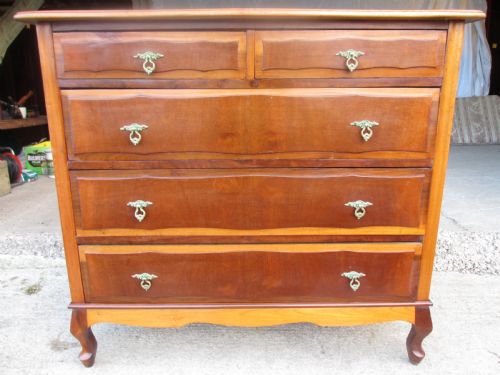
Classic Storage Cabinet
These classic storage cabinet pieces offer sturdy utility and timeless proportions, making them essential finds for disciplined domestic organisation.
Classic Storage Cabinet
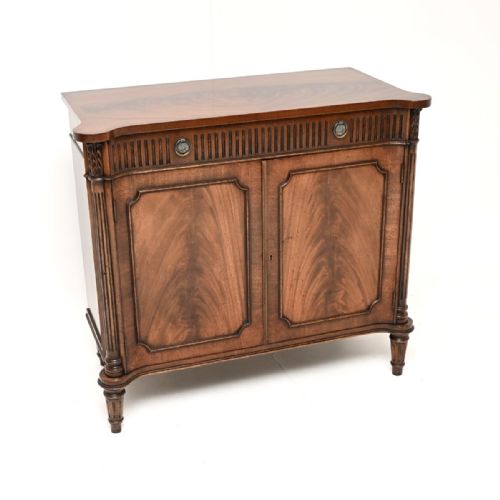
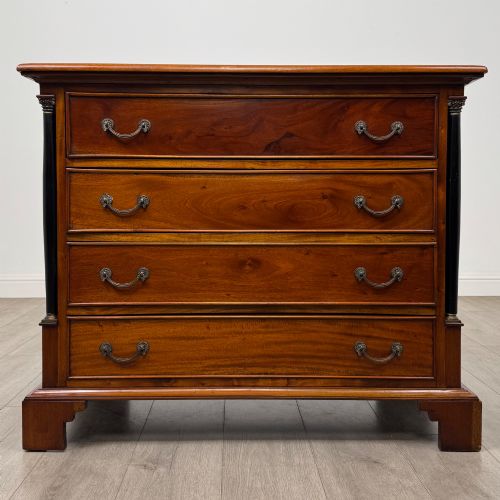
A classic storage cabinet encompasses an array of robust timber forms designed to hold domestic goods, ranging from generous chests of drawers to specialised display and storage furniture. Buyers seeking a classic storage cabinet encounter numerous expressions spanning the Georgian, Victorian, and Edwardian eras, predominantly built in rich figured woods.
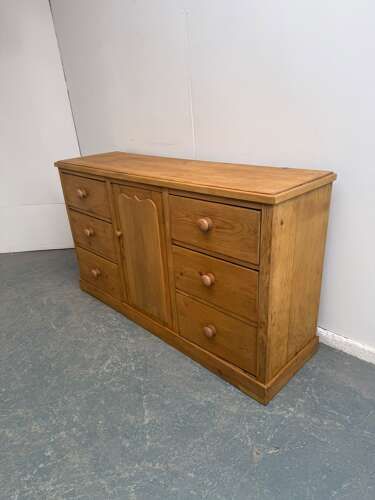
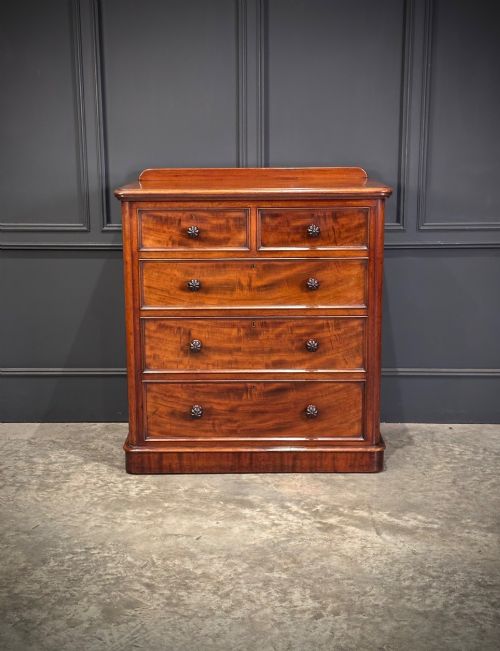
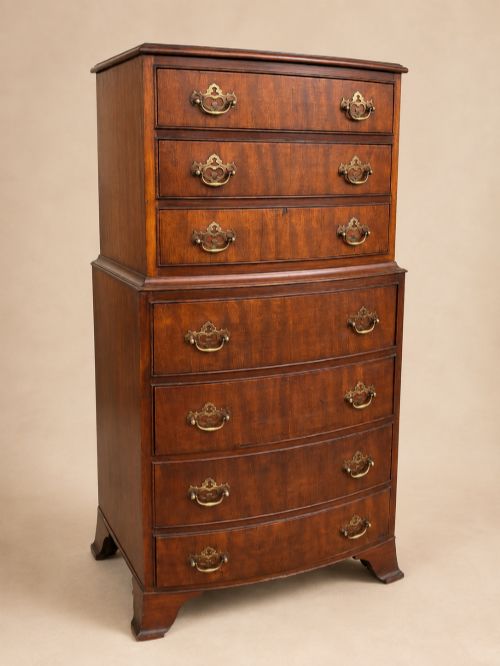
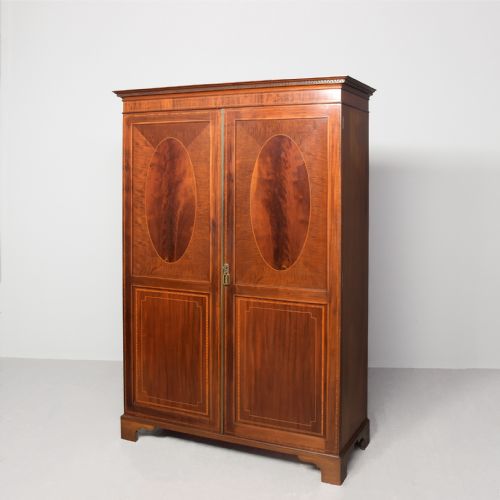
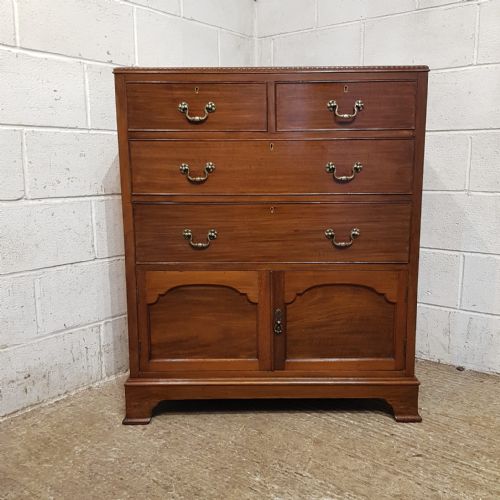
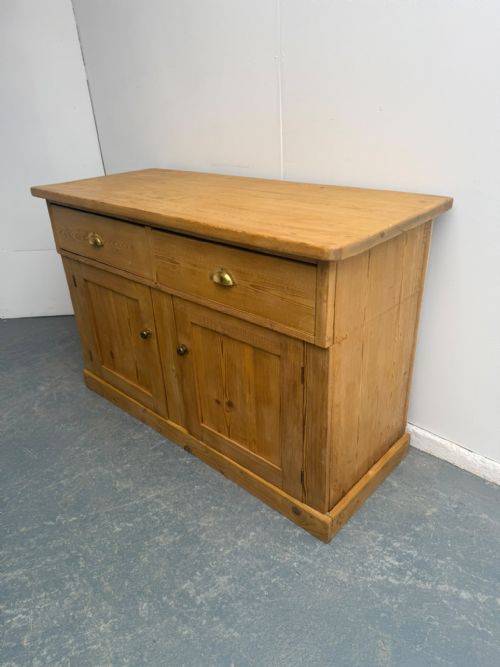
Chest of drawers formats dominate the selection, appearing alongside tallboys, wardrobes, dresser bases, sideboards, and specialised multi-drawer collectors cabinets. Many pieces incorporate flame mahogany veneer, brass hardware, and boxwood inlay to elevate their functional presence within a room.
Assessing quality
Quality rests upon the selection of timber veneers, where highly figured flame mahogany or uniform pitch pine elevates a piece above standard utility items. The crispness of inlaid boxwood lines and the proportional balance of bracket feet or cornices further separate ordinary storage forms from finer examples.
Internal integrity and original hardware appointments define the upper tier of survivals, seen in clean drawer linings and period-appropriate brass handles. The complexity of form, such as multi-drawer collectors cabinets or breakfront bookcase layouts, demands superior architectural joinery to maintain structural cohesion.
Storage forms range from standard chests of drawers to specialist multi-drawer collectors cabinets.
Brady·J.T.Crockett
The Classic Storage Cabinet Glossary
- Bowfront
- A curved convex front typical of chests and cabinets designed during the Georgian and Regency periods. This shape softens the profile of large timber furniture.
- Tallboy
- A tall chest of drawers standing on a lower chest base, maximising vertical storage capacity within a compact floor footprint.
- Bracket foot
- A structural foot shape resembling a bracket, often shaped with a cyma curve and used beneath Georgian and Victorian case furniture.
- Collectors cabinet
- A specialised multi-drawer cabinet originally built to house natural history specimens or coins, prized today for its numerous small drawers.
- Dresser base
- A low sideboard or cabinet featuring drawers and cupboards, historically used in kitchens and dining spaces for utility storage.
Classic Storage Cabinet: Frequently Asked Questions
How do I date a mahogany chest?
Examine the drawer construction for hand-cut dovetails and inspect the secondary woods like pine or oak used inside the carcase. Timber selection and handle style provide further clues to whether a piece belongs to the Georgian or Victorian eras.
Hardware placement and foot design also shift across decades, moving from bracket feet toward turned feet or plinth bases as the nineteenth century progressed.
Where should I place a tallboy?
A tallboy requires a wall space with adequate vertical clearance, making it suitable for bedrooms or dressing rooms where floor area is restricted. Its height provides substantial drawer storage without dominating the room's horizontal footprint.
Ensure the piece is anchored securely if placed on uneven historic flooring to prevent tipping under heavy loads.
What is a collectors cabinet used for?
Originally constructed with numerous shallow drawers to house botanical samples, insects, or coins, these cabinets now suit the storage of small collectables, jewellery, or stationery.
The dense grid of internal drawers offers exceptional sorting utility for modern enthusiasts of organised small items.
Are pine dresser bases suitable for kitchens?
Waxed pine dresser bases offer robust surfaces and deep cupboard storage well suited for contemporary dining rooms or country-style kitchens. Their durable timber construction withstands daily domestic use while developing a rich patina over time.
Keep waxed finishes away from direct moisture sources to preserve the original surface integrity.