


Classic Silver Table Light
A classic silver table light brings a measured glow to a room, and these pieces range from single candlesticks to multi-branch candelabras.
Classic Silver Table Light
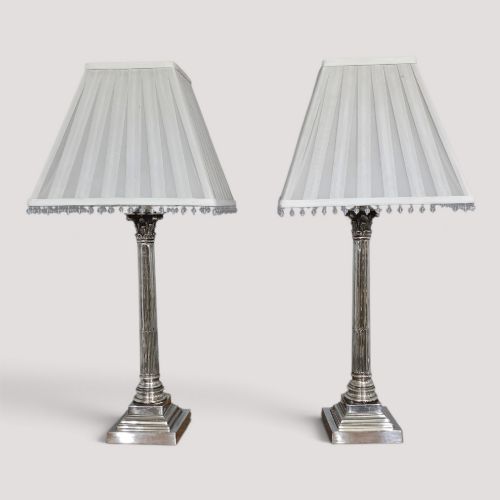
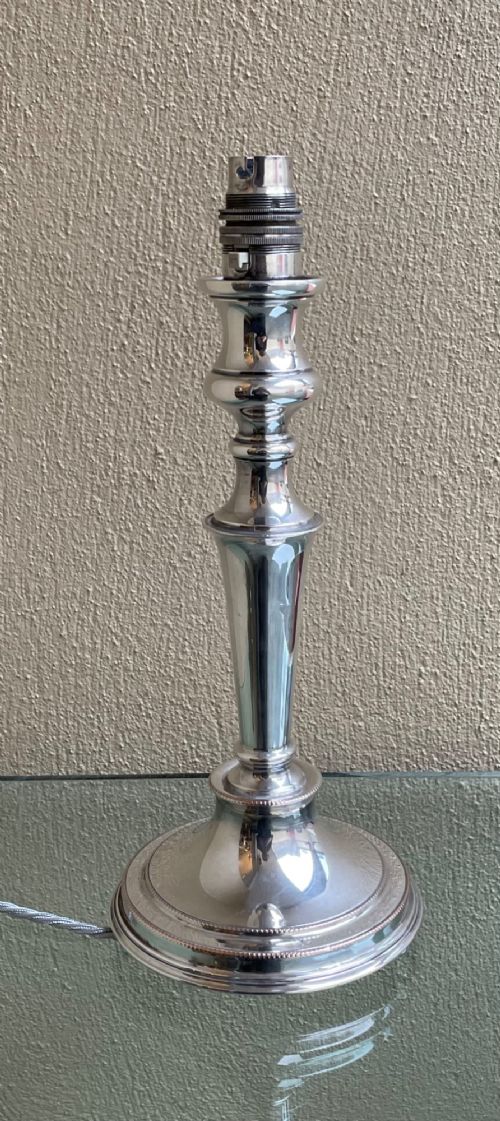
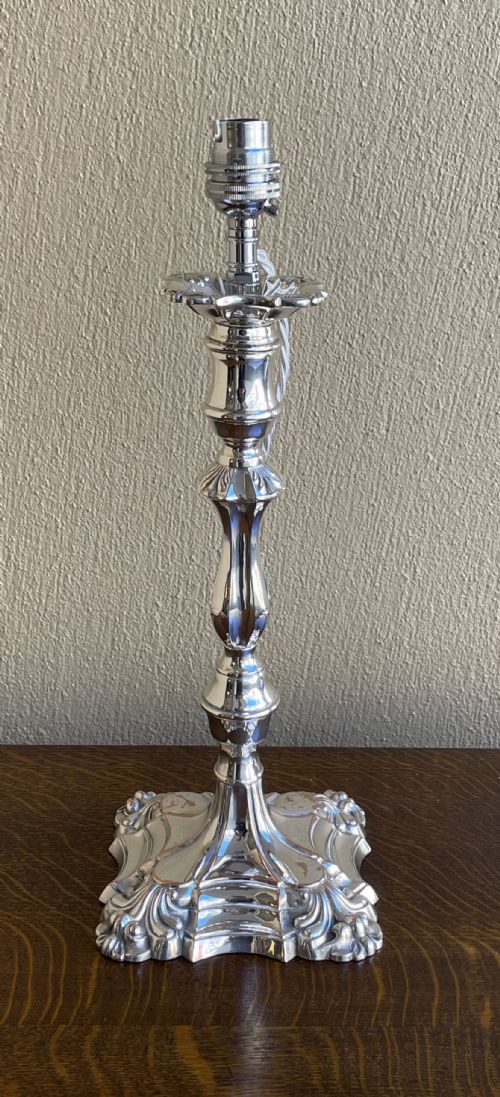
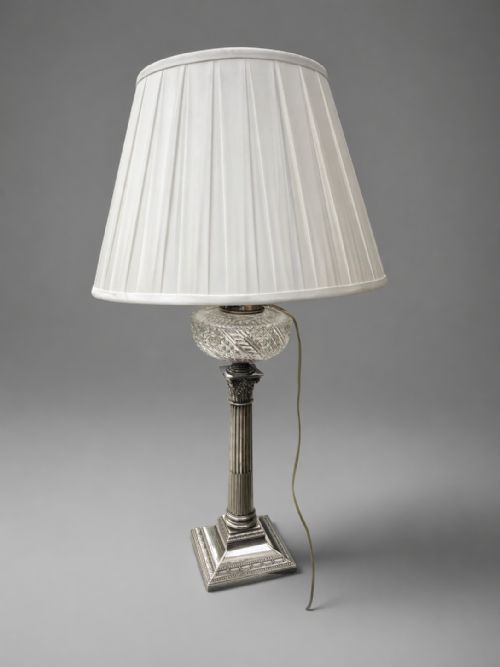
A classic silver table light encompasses candlesticks, candelabras and table lamps designed to illuminate surfaces with metallic reflection. The inventory draws heavily on Victorian, Edwardian and Georgian styles alongside later twentieth-century iterations.
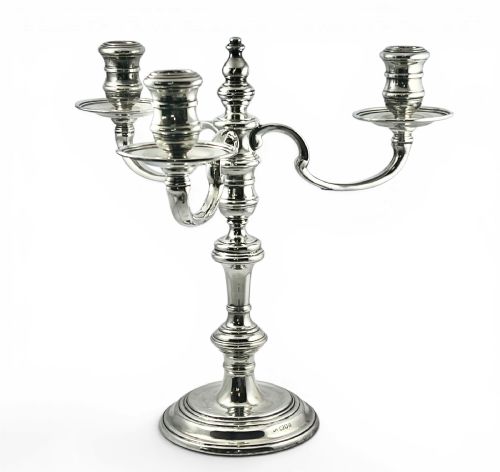
Buyers encounter single candlesticks alongside large three-branch and five-branch candelabras. Table lamps adapted for electricity sit alongside traditional candleholders across periods from the eighteenth century through to the mid-twentieth century.
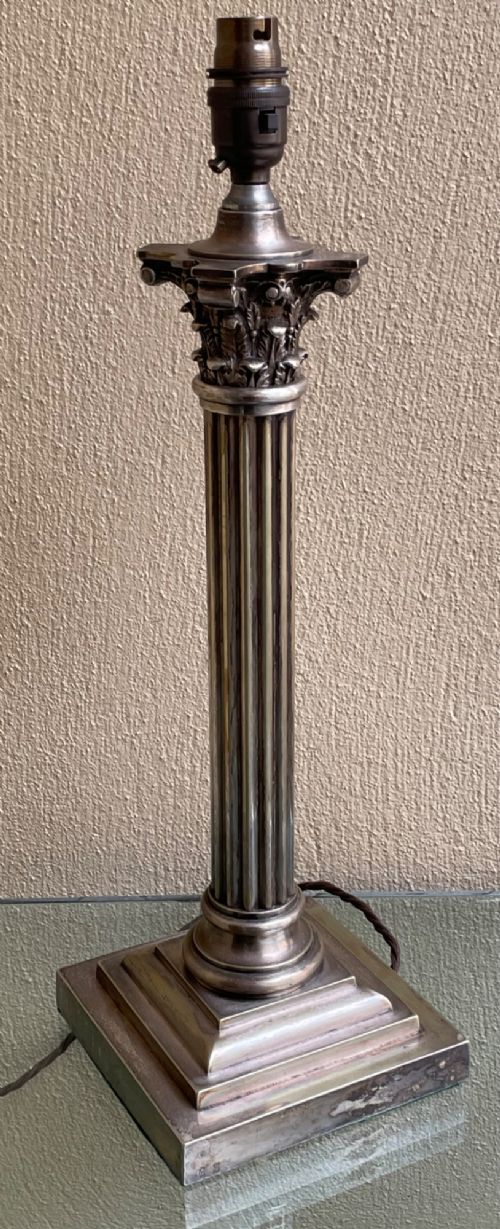
Forms include column designs, lyre motifs and round bases, spanning both sterling silver and silver-plated metal. Continental silver and paktong also appear among the selections.
Materials and construction methods
Construction relies on sterling silver, silver plate over base metals, and paktong, combined with cut glass and fabric components where lamps are present. Sheffield plating techniques appear alongside solid sterling construction.
Candelabras and candlesticks utilise cast and assembled metalwork, often featuring weighted bases for stability. Makers stamped hallmarks and maker marks onto sterling pieces, while plated items exhibit distinct plating layers.
Listings span the eighteenth century to the 1960s, incorporating sterling silver, silver plate, brass, copper, paktong and cut glass.
Distinctions in quality and execution
Quality separates through the crispness of cast detail in motifs like columns and lyres, and the weight of the metal used in the base. Substantial sterling pieces and heavy silver plate maintain their structural integrity better over decades.
The integrity of the plating on silver-plated items dictates longevity, with superior examples showing even coverage without base metal bleed-through. Hallmarks and maker stamps provide verifiable markers of origin and standard.
Barker Ellis
The Classic Silver Table Light Glossary
- Sterling silver
- A silver alloy containing 92.5 percent pure silver by mass and 7.5 percent other metals, usually copper. This standard ensures durability while maintaining precious metal purity.
- Silver plate
- A layer of silver applied to a base metal such as copper or brass. Older examples often utilise Sheffield plating methods.
- Candelabra
- A multi-branched candlestick holder designed to support several candles simultaneously. These pieces often feature removable arms to convert into single candlesticks.
- Paktong
- A copper-nickel-zinc alloy originating from China, historically used in Europe as a bright metal substitute for silver. It polishes to a bright finish resembling silver.
- Hallmark
- An official stamp applied to precious metals indicating purity, origin maker, and date of assay. These marks provide historical context for antique pieces.
Classic Silver Table Light: Frequently Asked Questions
How do I clean a silver table light?
Use a soft cloth and a specialised silver cleaner formulated to remove tarnish gently without abrading the surface. Avoid harsh chemical dips that strip away desirable patination on older pieces.
For plated items, take extra care not to rub through the thin silver layer to the base metal underneath. Regular dusting with a dry microfiber cloth helps minimise the need for heavy polishing.
Can antique candlesticks be wired for electricity?
Many candlesticks and candelabras are adapted into table lamps by running a cord through the centre. This conversion is often reversible if done without drilling the original metal.
Purists prefer to keep candlesticks in their original candle-holding state, while others appreciate the utility of a converted lamp on a desk or sideboard.
What is the difference between sterling and plated?
Sterling silver is solid precious metal throughout, marked with statutory hallmarks denoting its fineness. Silver plate consists of a thin coating of silver bonded over a base metal.
Plated items offer the visual appeal of silver at a different weight and cost point, while sterling pieces hold intrinsic precious metal value.
How do I date an antique silver light?
Examine the hallmarks on sterling pieces for date letters, monarch stamps and assay office symbols. These official marks provide precise years of manufacture.
For plated or unmarked items, dating relies on stylistic clues such as Victorian neoclassical motifs, Edwardian proportions or Art Deco geometric lines.