

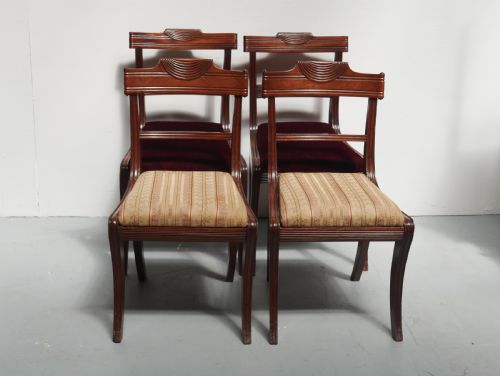


Classic Side Chairs
Classic side chairs are dining and seating forms built for formal rooms, offering sturdy timber frames and upright profiles that collectors use to furnish period interiors.
Classic Side Chairs
Classic side chairs encompass dining chairs and occasional seating designed without arms, intended to sit neatly at a table or against a wall. The pieces recorded here span the 18th, 19th, and early 20th centuries, covering periods from George III and Regency through to Edwardian and later revivals.
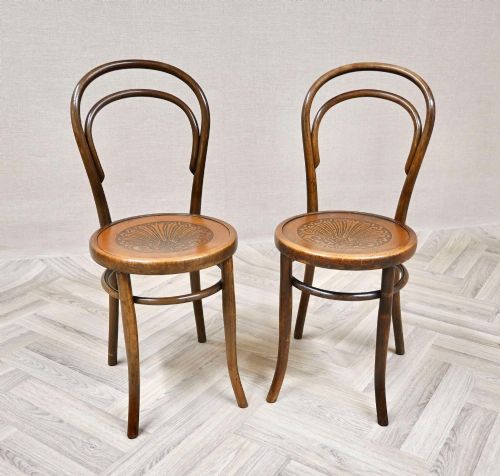
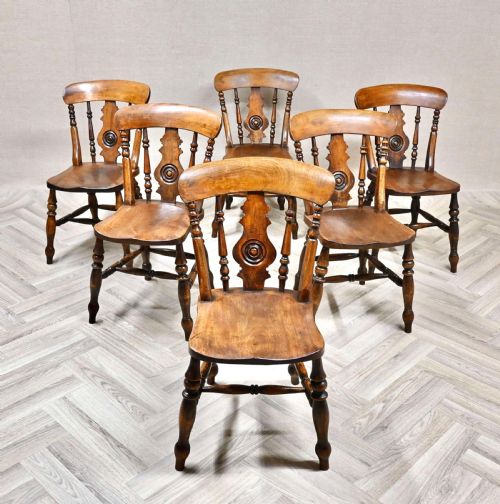
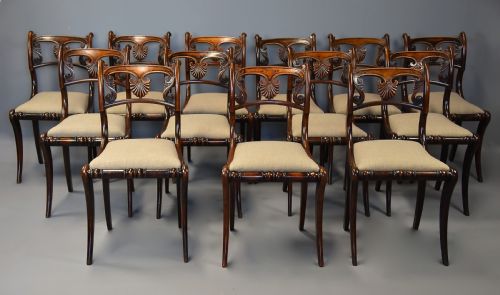
Buyers will encounter various forms on this page, ranging from Windsor kitchen chairs in elm and beech to formal mahogany dining chairs with shield backs or simulated rosewood finishes. Regional styles such as Victorian country sit alongside refined Sheraton and Queen Anne revival models.
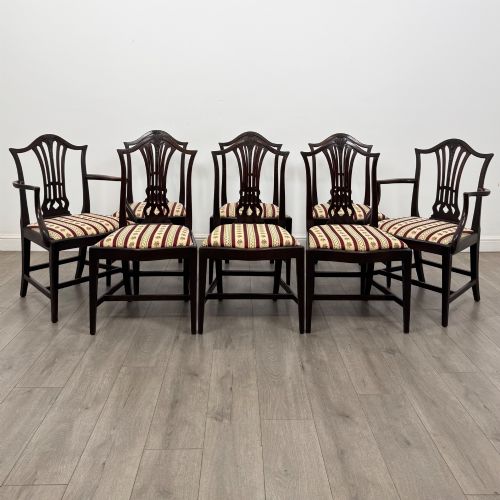
Most examples function primarily as dining sets, appearing in matched groupings of four, six, eight, ten, or twelve, alongside occasional single elbow chairs or carvers. The underlying timber frames rely predominantly on mahogany, oak, beech, and cherry, paired with diverse seat coverings.
How they were made
Cabinetmakers constructed these frames using dense hardwoods like mahogany, oak, and beech, often employing traditional mortise and tenon joints to ensure lasting structural integrity. Elm appears in rustic seating like Windsors, where turned spindles and solid saddle seats required specialised green woodworking techniques.
Surface decoration involved meticulous timber preparation, including simulated rosewood graining, satinwood inlay, and hand-polished wax finishes that highlighted the natural figure of the wood. Upholstered variants integrated webbing and horsehair stuffing beneath top layers of leather, velvet, fabric, or textile.
Classic Side Chairs Retail Price Guide 2026
Typical asking prices for classic side chairs among the pieces listed under this phrase on Sellingantiques today, from the lower quarter to the upper quarter. They describe what is for sale here now, not the wider market.
Listings feature timbers including mahogany, oak, beech, elm, and satinwood paired with upholstery such as leather, velvet, and textile.
What varies in quality
The highest quality examples demonstrate superior timber selection, such as finely figured mahogany or carefully matched sets of cherry and satinwood, whereas lesser pieces utilise plain or mixed secondary timbers. Carved details like shield backs, bullseye turnings, and reeded legs reveal the precision of the hand-carving rather than mechanical replication.
Larger sets maintaining absolute uniformity across ten or twelve chairs command greater appreciation than assembled groups where individual frames show subtle variances in proportion or turning. Original finish and tight, unaltered joinery separate superior survivals from pieces that have undergone extensive rebuilding or replacement components.
The Classic Side Chairs Glossary
- Carver
- An armchair designed to match a set of dining side chairs, traditionally placed at the head of the table. These incorporate supportive armrests while sharing the primary stylistic vocabulary of the set.
- Simulated rosewood
- A painted or stained surface treatment applied to cheaper timbers like beech to imitate the rich dark grain of true rosewood. Makers used this technique during the Regency period to achieve an expensive look economically.
- Windsor
- A traditional chair construction where turned legs and back spindles are wedged directly into a solid sculpted wooden seat. These sturdy vernacular forms originated in rural workshops.
- Splat
- The vertical central strip of wood within a chair back, connecting the seat to the top rail. Master craftsmen shaped and carved these elements to define the prevailing style of the period.
Classic Side Chairs: Frequently Asked Questions
How do I clean old mahogany frames?
Dust regularly with a dry, soft cloth and apply a traditional beeswax polish sparingly to nourish the timber. Avoid modern silicone sprays or excessive moisture, which can degrade antique finishes over time.
Buff the surface gently after application to maintain a natural, soft sheen without building up a sticky residue.
Can I mix different chair styles together?
Combining distinct styles works well if the timbers and overall proportions share a similar visual weight. Many historic dining rooms evolved organically with varied seating.
Matching the wood tone or maintaining a consistent period helps create a cohesive arrangement around the table.
What is a carver chair?
A carver is an armchair styled to match a set of dining side chairs, featuring integrated armrests for comfort. These were historically reserved for the head of the table.
Sets often include one or two carvers alongside several armless side chairs.
How do I date an antique chair?
Dating relies on examining the timber species, construction methods, tool marks, and stylistic design elements. Hand-cut joinery and aged patination provide key chronological clues.
Comparing the back splat and leg profile to documented cabinetmaker patterns helps narrow down the decade of production.