

Classic Portrait
A classic portrait brings centuries of character into a room through oil on canvas, framed prints, and detailed silver frames.
Classic Portrait
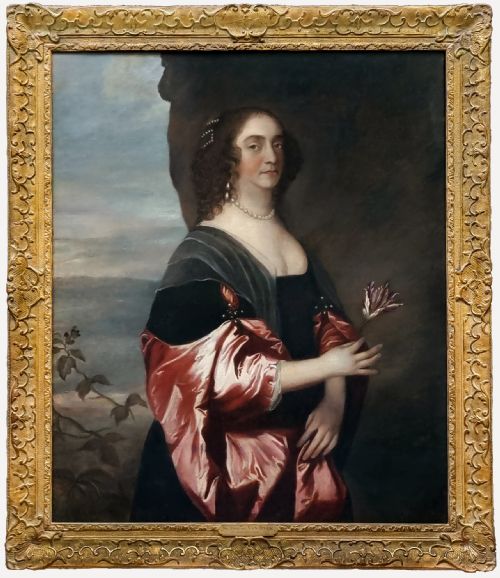
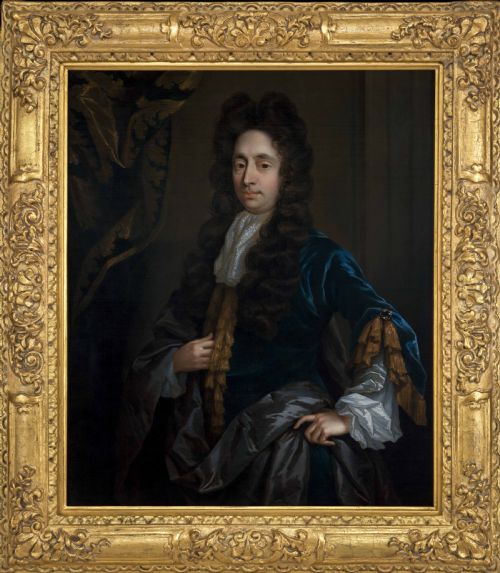
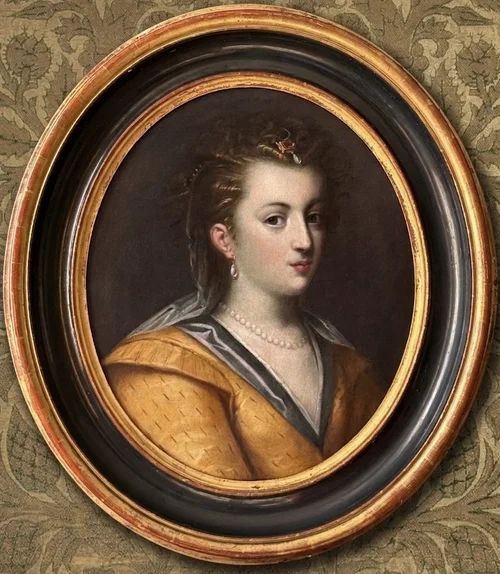
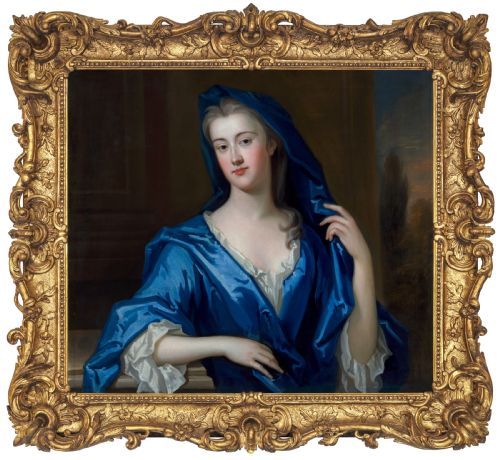
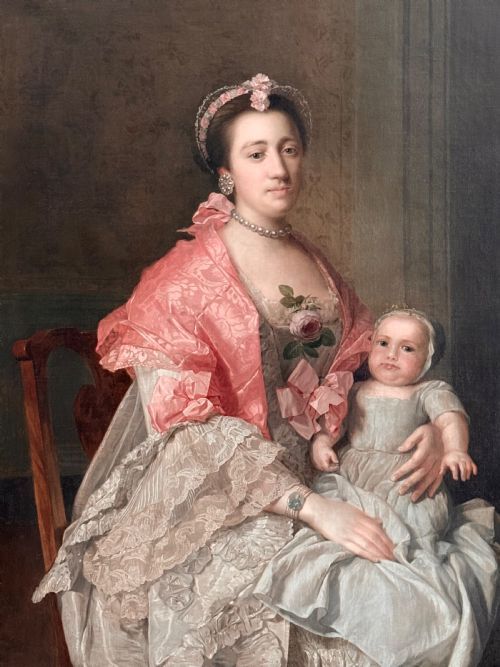
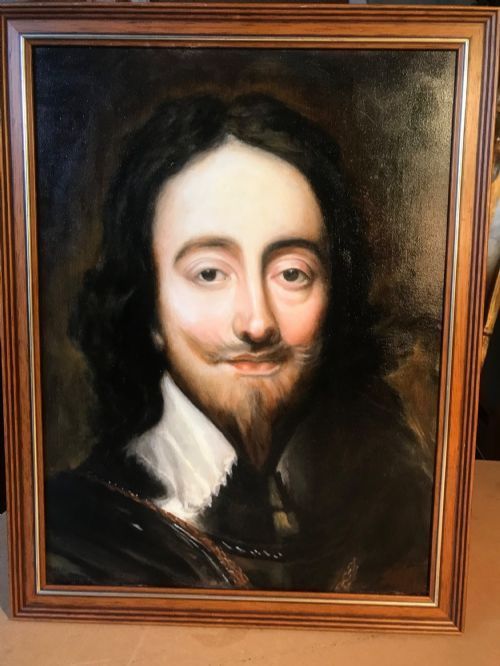
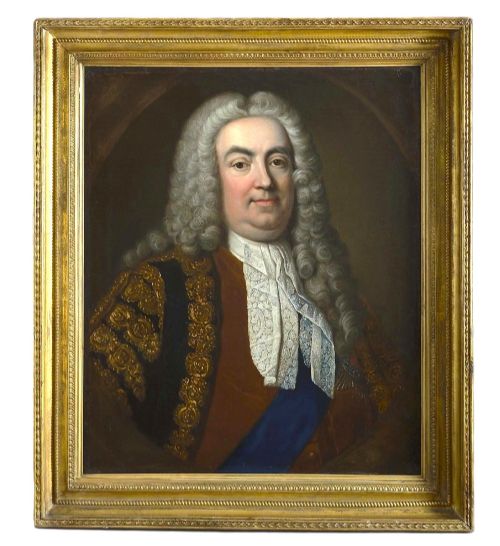
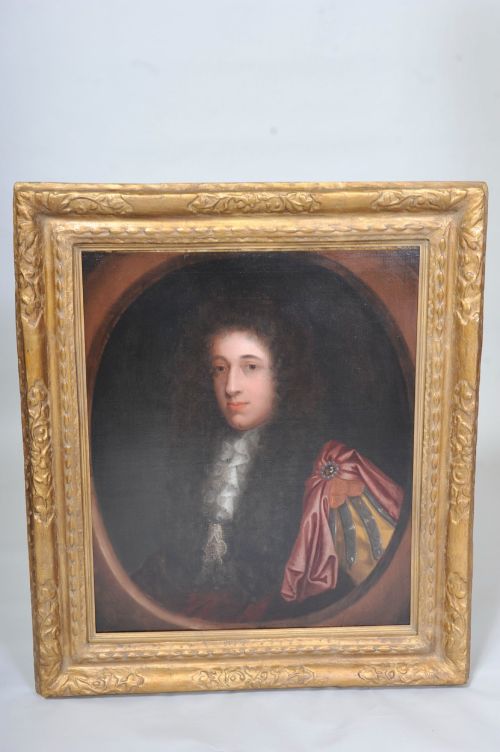
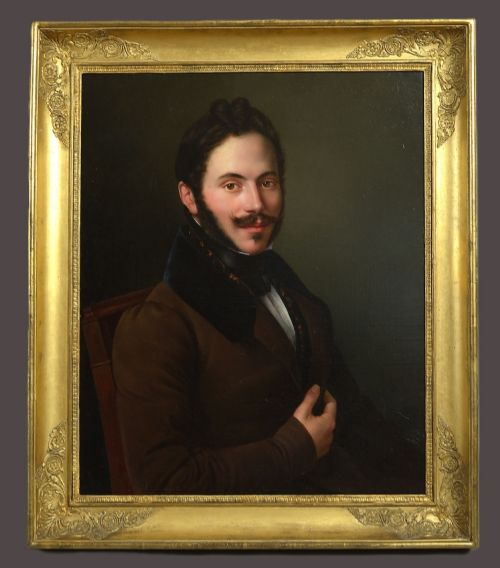
A classic portrait captures the likeness and presence of individuals from past centuries, spanning aristocratic subjects to everyday figures. These works serve as a direct window into historical dress, status, and artistic convention.
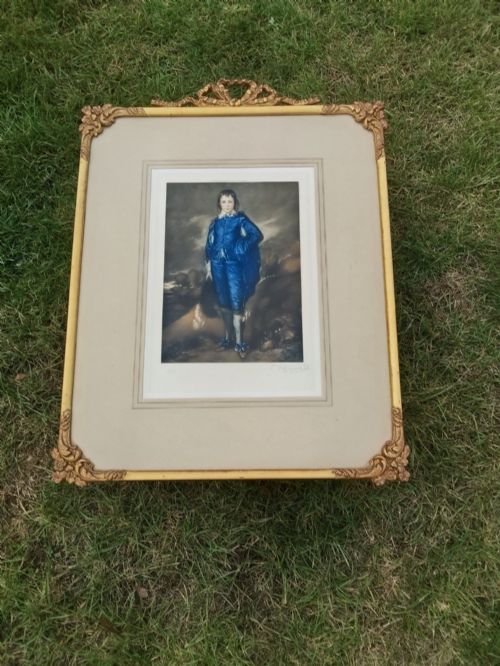
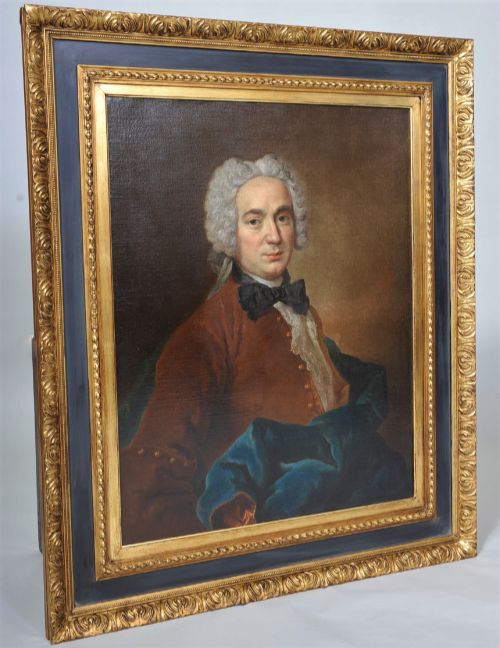
The versions most commonly met on this page are oil on canvas paintings and framed prints dating from the seventeenth, eighteenth, and nineteenth centuries. Alongside traditional canvases, buyers encounter framed engravings, pastel works, and decorative metal photograph frames.
Originating largely from British and European hands, these pieces range from formal studio commissions to intimate portrayals by regional schools. Each object reflects the prevailing aesthetic of its period, from baroque drama to Victorian realism.
How They Were Made
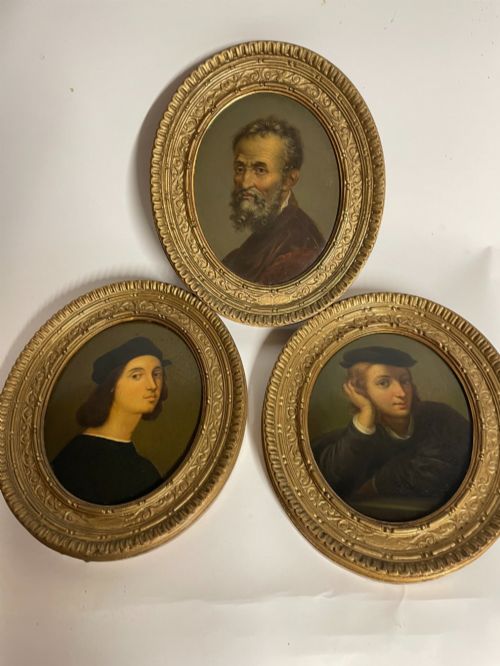
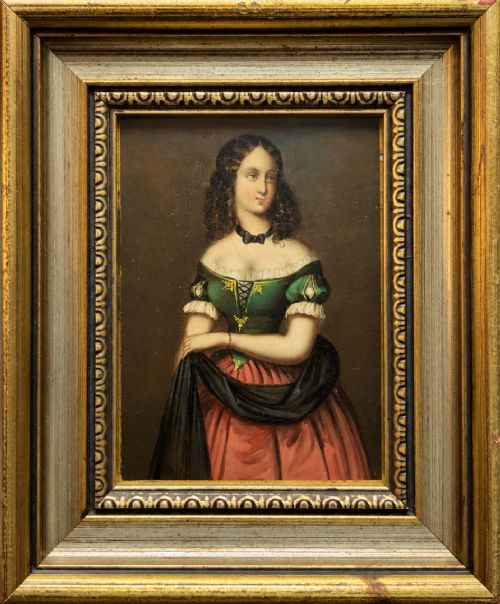
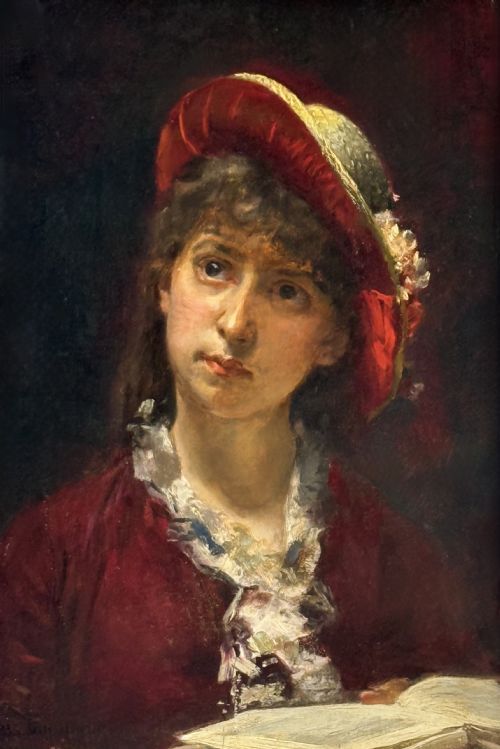
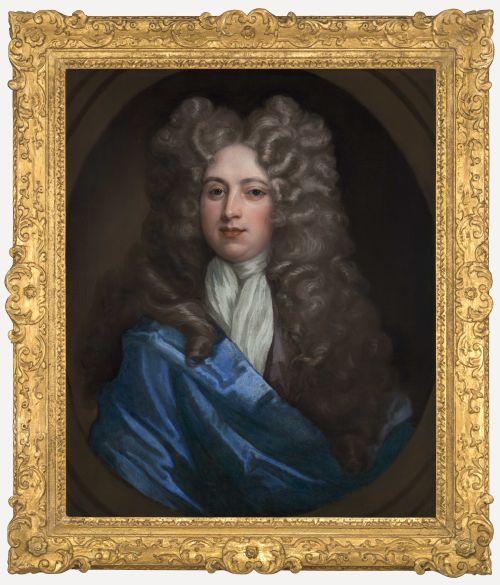
Painters applied oil paint directly onto stretched canvas or wooden panels, building up layers of pigment to achieve depth in clothing, skin tones, and background drapery. These surfaces were often housed within ornate giltwood frames finished with gold leaf.
Engravers and printmakers utilised copper plates and paper to duplicate detailed likenesses for wider circulation, sometimes adding hand-colouring or mezzotint techniques. Metalworkers shaped silver into photograph frames using embossing and casting methods.
Classic Portrait Retail Price Guide 2026
Typical asking prices for classic portrait among the pieces listed under this phrase on Sellingantiques today, from the lower quarter to the upper quarter. They describe what is for sale here now, not the wider market.
Gentlemen regularly appear holding tobacco pipes or periwigs, ensuring posterity recorded their finest accessories.
What Varies in Quality
The distinction between upper and lower tiers rests upon the skill of the brushwork and the sureness of the anatomical rendering. Master hands capture individual psychology and fabric texture with conviction, whereas lesser studio output relies on formulaic repetition.
Preservation of the original surface and the integrity of the support dictate the standing of a canvas. Relining, extensive overpainting, and clumsy frame replacements alter the authentic character that collectors seek.
Lavinia Fontana·Sir Peter Lely·Thomas Murray·Sir Allan Ramsay·Constantyn Netscher·Edouard Pingret·Jean Baptiste Van Loo·Thomas Spinks·Nicolaes Maes·Bertram Priestman
The Classic Portrait Glossary
- Oil on Canvas
- Pigment mixed with drying oil applied to a woven fabric support. This combination allowed artists to blend tones smoothly and achieve rich textures over time.
- Mezzotint
- A printmaking process where the copper plate is roughened to produce dark tones and scraped to create highlights. It was frequently used to translate painted portraits into fine prints.
- Giltwood
- Wood carved and coated with gold leaf or metallic powder. It provides the traditional reflective border for formal oil paintings.
- Circle of
- A designation used when a work is closely associated with a master's studio or immediate followers. It indicates the hand of a contemporary working in the same stylistic orbit.
Classic Portrait: Frequently Asked Questions
How should I hang an oil portrait?
Hang paintings away from direct sunlight and steady heat sources to protect the canvas and oil pigments from cracking.
Ensure the wall fixings match the substantial weight of traditional wooden and giltwood frames.
How can I tell the period of a frame?
Frame styles generally mirror the artistic period of the artwork they enclose, utilising period-specific carving techniques and joinery.
Original frames show natural oxidation and wear consistent with age, though many older paintings were reframed later.
Who are typical subjects in antique portraits?
Subjects include nobility, military officers, clergymen, and merchants who commissioned likenesses to record their status.
Later Victorian and Edwardian works also feature everyday figures, children, and horses.