

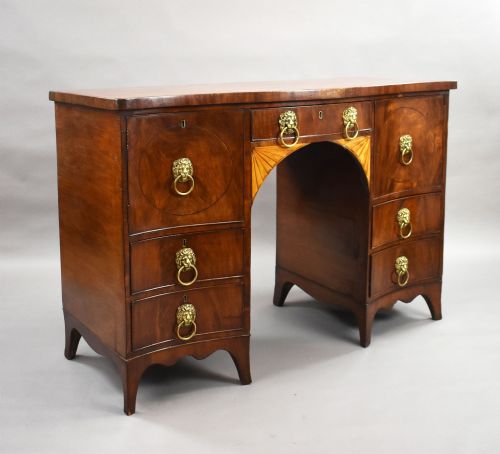


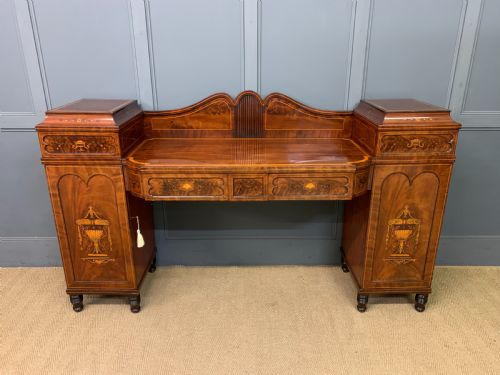

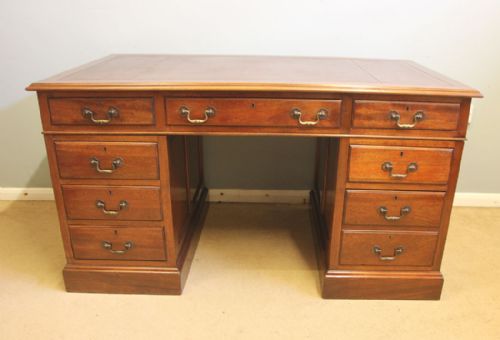
Classic Pedestal Table
A classic pedestal table anchors a room with a central column, offering steady support and enduring proportions for writing, dining, or display.
Classic Pedestal Table
A classic pedestal table stands on a single central column or multiple pillars rather than four corner legs, focusing weight downward for stability and legroom. These pieces emerge across the Georgian, Victorian, and Edwardian periods, appearing in forms such as dining tables, occasional tripod tables, drum tables, and card tables.
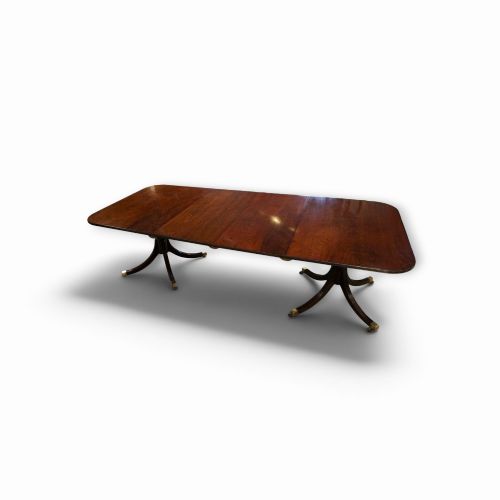
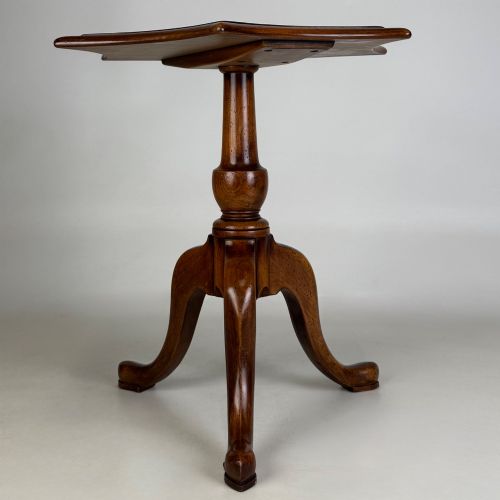
The most frequent examples on this page are dining tables with twin or triple pillars and occasional tripod tables featuring circular or star-shaped tops. Mahogany forms the backbone of these pieces, alongside rosewood and walnut, reflecting the preference for rich timbers during the nineteenth and early twentieth centuries.
Makers and workshops adapted the pedestal format for diverse rooms, ranging from large dining halls requiring multi-pillar expanses to smaller chambers needing compact occasional stands. Their enduring appeal lies in how the column and base configuration frees up floor space while maintaining formal dignity.
Materials and construction methods
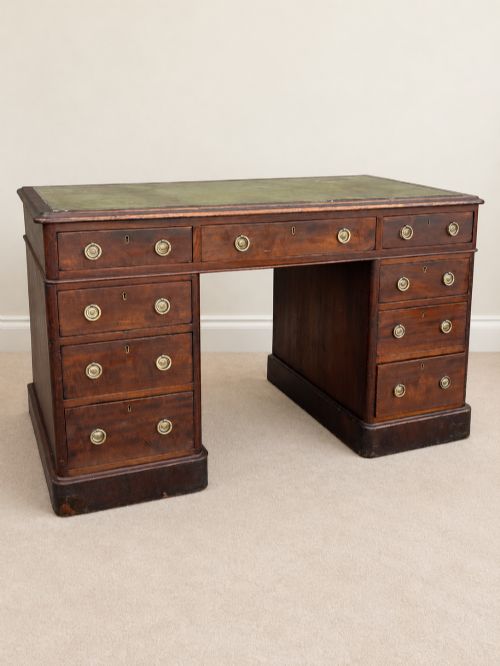
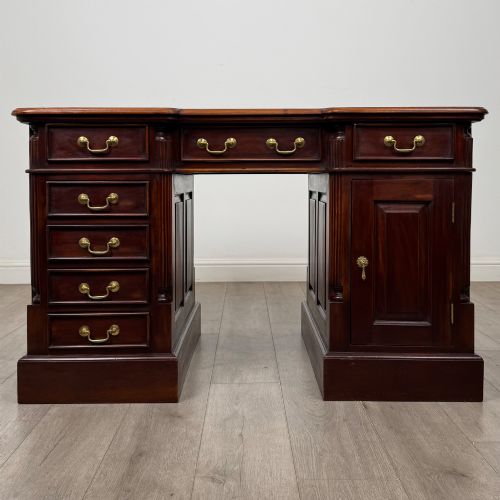
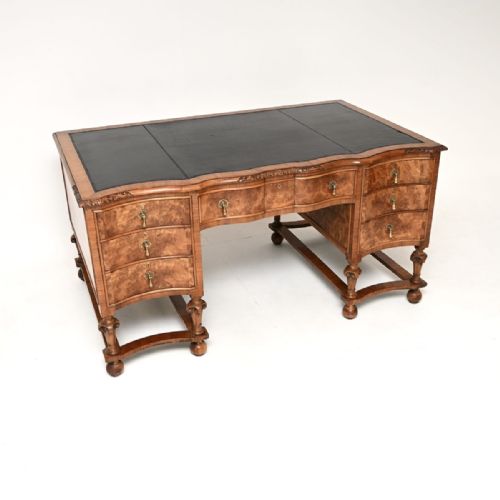
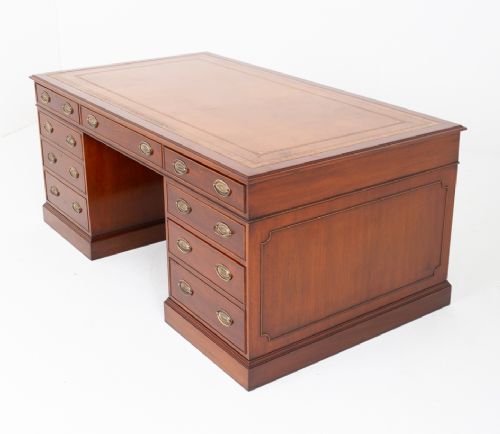
Cabinetmakers relied heavily on solid mahogany, burr walnut, and rosewood for surfaces and structural columns, frequently pairing them with secondary timbers like oak. Surfaces often incorporated leather inserts for writing desks or intricate brass inlay and satinwood banding for decorative effect.
Columns and tripod legs were shaped by hand on lathes or carved with reeded, fluted, or panelled details to catch the light. Dining versions incorporated clever mechanisms with leaves and additional pedestals to extend length smoothly when needed.
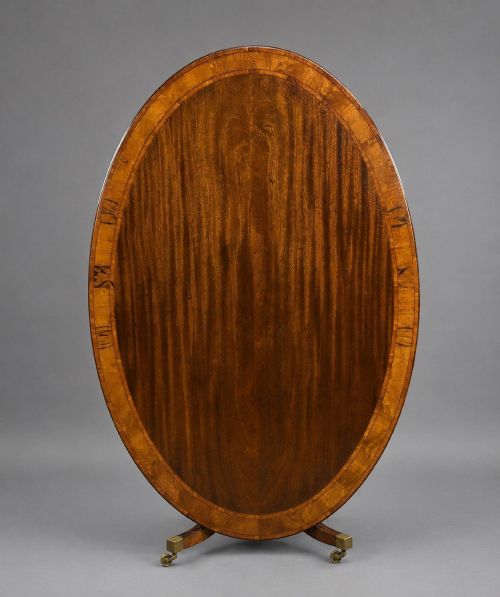
Tilt-top tables were originally tucked away like folding screens against drawing room walls when homeowners needed empty floor space for dancing.
What separates the finest examples
Quality rests in the selection of timber figures, such as highly figured mahogany or burr walnut, which provide depth and movement across expansive table tops. The crispness of hand-carved pillar details and the stability of the central column assembly dictate the longevity of the piece.
Proportion remains paramount, where the diameter of the top balances harmoniously with the height and spread of the base feet. Superior pieces show careful grain matching across table leaves and seamless integration of brass mounts or leather working surfaces.
Maple and Co
The Classic Pedestal Table Glossary
- Pedestal table
- A table supported by a central pillar or column rather than conventional legs at the corners. This design maximises seating space and provides a distinct focal point.
- Tripod table
- A small occasional table supported by a pillar above three splayed legs. These agile pieces were easily moved around Georgian and Victorian drawing rooms.
- Snap top table
- A table with a hinged top that tilts vertically when not in use to save floor space. The mechanism locks securely into place horizontally during use.
- Twin-pillar dining table
- A long dining surface supported by two separate pedestals, often fitted with brass castor feet. This configuration allows multiple guests to sit comfortably without corner legs obstructing their knees.
Classic Pedestal Table: Frequently Asked Questions
How do I know if a pedestal table is Georgian or Victorian?
Georgian pieces from the eighteenth century tend to display restrained carving, lighter timber tones, and elegant splayed tripod bases without heavy embellishment.
Victorian versions from the nineteenth century often feature heavier proportions, darker finishes, and more elaborate mouldings or robust central columns.
Can I use a pedestal table for daily dining?
Many multi-pillar dining tables were built specifically for substantial feasts and remain remarkably sturdy for everyday family meals.
Check that the central column and base fixings are tight and secure to prevent any wobble during regular use.
What is a snap top table used for?
A snap top table served as a versatile occasional piece in historic homes, remaining tilted against a wall when floor space was needed for dancing or entertaining.
Today, they function well as lamp tables or decorative accents while retaining their clever tilting mechanism.
How do I care for a mahogany table top?
Protect the timber surface from direct sunlight and excessive heat fluctuations to prevent the wood from drying out or splitting.
Apply a quality beeswax polish occasionally and buff gently with a soft cloth to maintain the natural sheen of the grain.