




Classic Paper Print
These classic paper print examples bring historical depth and character to a room through genuine works on paper preserved behind glass.
Classic Paper Print
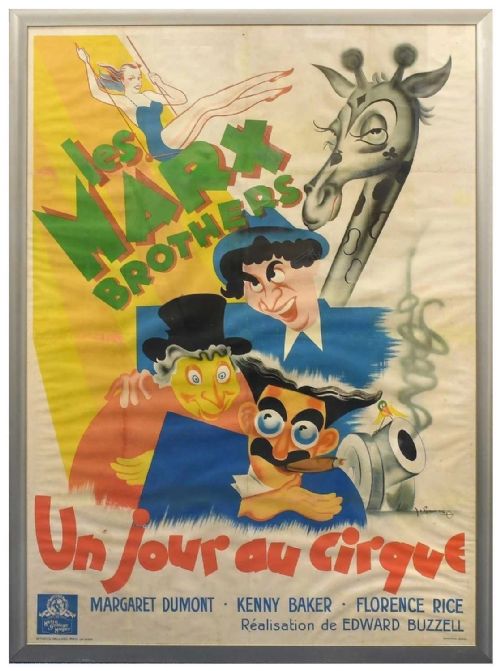
A classic paper print encompasses works on paper ranging from eighteenth-century French engravings to twentieth-century film posters and sports car advertisements. Buyers seeking a classic paper print will find both intimate fine art etchings and large format promotional posters represented across these listings.
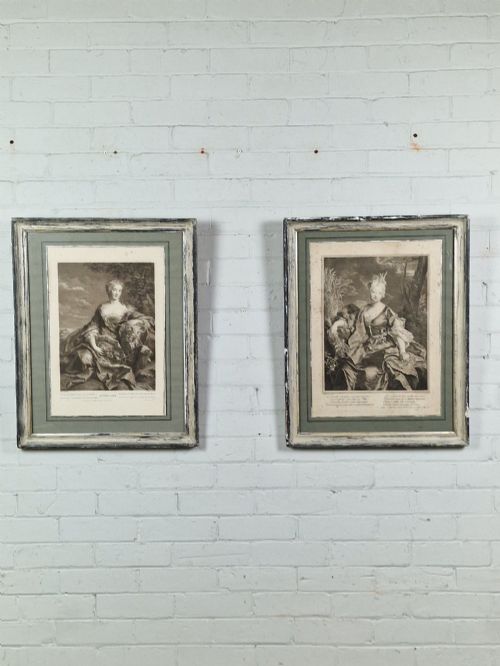
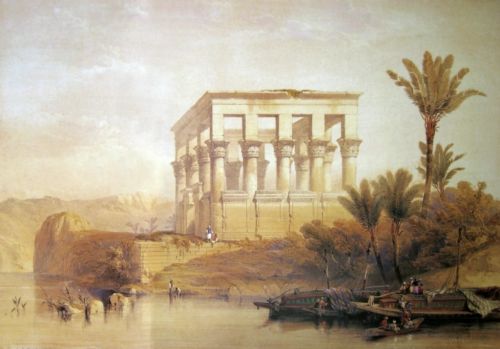
The material origins span multiple eras, most notably the nineteenth century and various decades of the twentieth century. These pieces function primarily as wall art, bringing historical subjects, portraiture, and cinematic ephemera into domestic interiors.
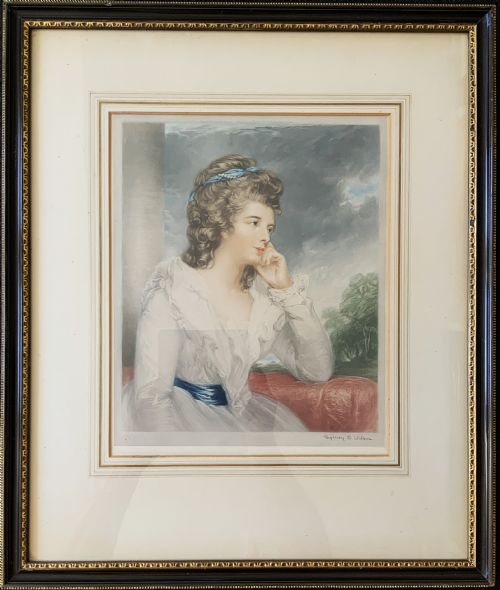
Framed presentation is common, often utilising wood, mahogany, and gilt mouldings alongside glass protection. The selection moves between decorative antique portraiture and mid-century graphic design.
How they were made
These pieces rely fundamentally on paper and ink as primary mediums, augmented by techniques such as etching, engraving, and mezzotint. Printmakers employed metal plates to transfer fine lines and tonal gradations onto paper sheets.
Many examples incorporate secondary materials like gold leaf accents, while framing often employs mahogany, wood, and brass elements. Glazing protects the delicate paper surface from atmospheric moisture and handling.
Classic Paper Print Retail Price Guide 2026
Typical asking prices for classic paper print among the pieces listed under this phrase on Sellingantiques today, from the lower quarter to the upper quarter. They describe what is for sale here now, not the wider market.
The material record across these listings combines paper and ink with wooden and gilt frames, spanning the eighteenth through the twentieth centuries.
What varies in quality
Quality rests on the crispness of the ink impression and the preservation of the paper sheet against discolouration. Early pulls from engraved plates exhibit sharper detail than later impressions where the plate has worn.
The integrity of the framing materials, including period wood moulding and original glass, contributes to the overall standard of the object. Provenance and the skill of the original artist or engraver further distinguish exceptional pieces from standard decorative works.
The Classic Paper Print Glossary
- Etching
- A printmaking technique where lines are bitten into a metal plate with acid before ink is applied. This method produces fine, fluid lines characteristic of many works from the nineteenth and early twentieth centuries.
- Mezzotint
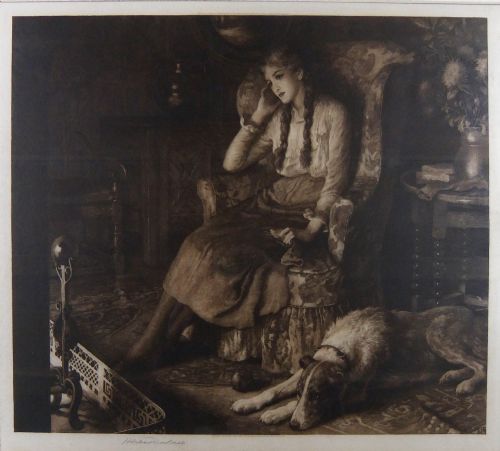
- A tonal printmaking process that allows for rich darks and subtle gradations of light without the use of line work. It was frequently utilised for reproducing portraits.
- Artist proof
- An impression of a print taken before the final edition is produced, traditionally retained by the artist for personal inspection. These are often marked in pencil by the creator.
- Glazed
- Fitted with a protective glass pane over the artwork. This term appears frequently in descriptions of framed posters and prints.
Classic Paper Print: Frequently Asked Questions
How should I clean antique glass and frames?
Dust frames gently with a dry, soft cloth and avoid spraying cleaning liquids directly onto the glass. Moisture can seep beneath the glazing and damage the paper print within.
Keep the backing sealed and protect the artwork from direct sunlight to prevent the ink and paper from fading over time.
What periods do these paper prints cover?
The listings include works from the eighteenth century, the Victorian era, and various decades of the twentieth century up to the nineteen-fifties. Styles range from French Rococo and Regency to Art Deco and Mid-Century Modern.
Each period utilises distinct printmaking techniques and subject matters, reflecting the prevailing aesthetic and commercial demands of its time.
Are these prints usually framed?
Many examples are offered glazed and framed, often in period wood or mahogany mouldings with brass hardware. Framing protects the fragile paper base from environmental wear.
Some larger items, such as film posters, retain their original display formats suited for wall mounting.
How do I identify an original etching from a reproduction?
Original etchings typically show a plate mark where the edge of the metal plate pressed into the damp paper during printing. Examining the surface under magnification reveals ink that sits slightly raised on the paper rather than resting in a flat dot pattern.
Signatures in pencil or distinct artist proof markings further indicate an authentic period work.