

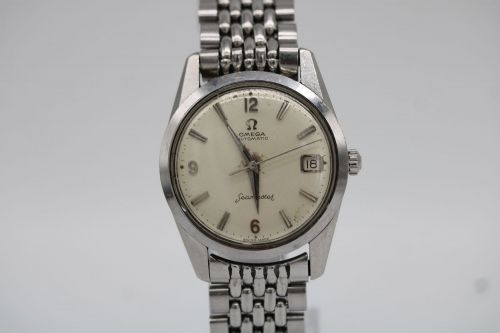
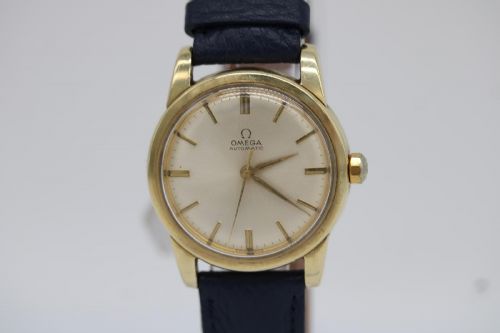
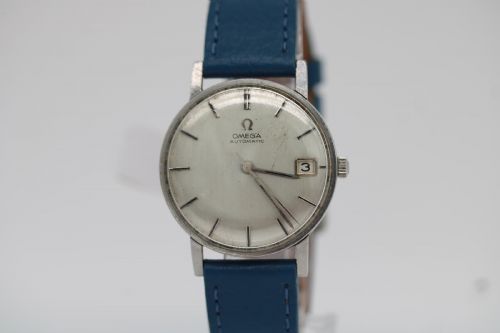
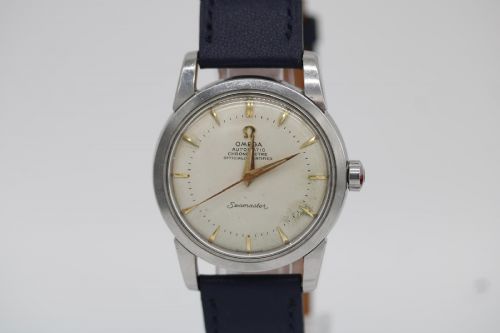
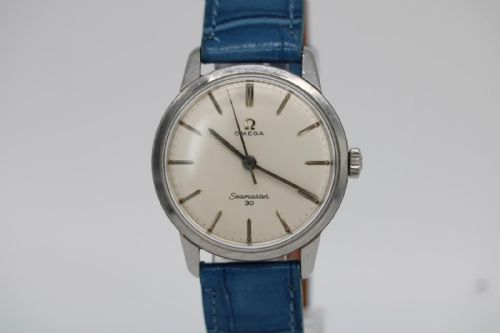
Classic Omega Seamaster
A classic omega seamaster is a mid-century mechanical wristwatch offering robust water resistance and enduring style.
Classic Omega Seamaster
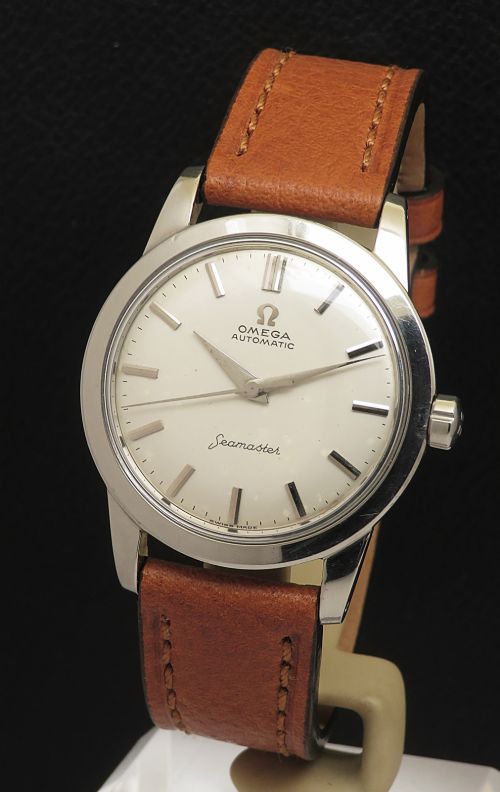
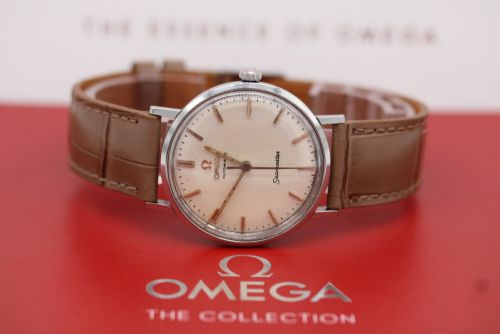
When you search for a classic omega seamaster, you are looking at mid-century wristwatches produced primarily across the 1950s and 1960s. These pieces represent a golden era of Swiss watchmaking, combining utility with elegant proportions.
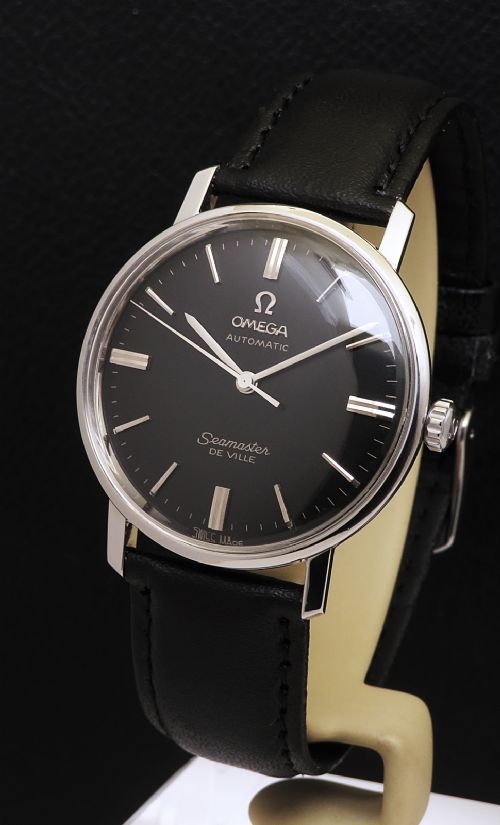
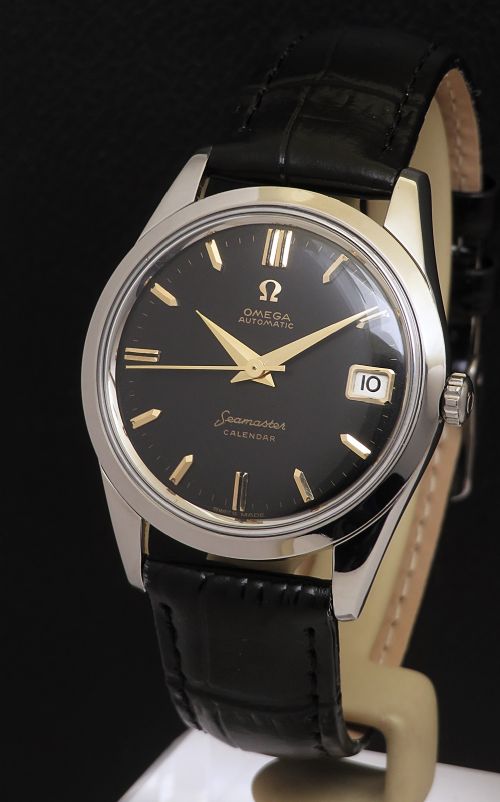
The versions you are most likely to meet on this page span automatic and manual wind movements housed in stainless steel or gold-plated cases. Distinct sub-lines such as the Seamaster DeVille and Seamaster Cosmic frequently appear among the selections.
These wristwatches typically measure around thirty-four to thirty-five millimetres in diameter, reflecting the preferred case sizing of the mid-century modern period. Dials range from clean silvered finishes to patinated surfaces and warm champagne tones.
How they were made
Makers constructed these watch cases using durable stainless steel or applied gold plating over base metal, pairing them with acrylic glass crystals. Movements relied on precision mechanical engineering, featuring automatic rotor systems or manual wind calibres like the 552, 562, and 752.
Dials received meticulous detailing with applied hour markers and signed branding, while straps were fashioned from genuine leather. Water resistance was achieved through specialised case back sealing and crown designs, establishing the line's reputation for durability.
Classic Omega Seamaster Retail Price Guide 2026
Typical asking prices for classic omega seamaster among the pieces listed under this phrase on Sellingantiques today, from the lower quarter to the upper quarter. They describe what is for sale here now, not the wider market.
Current listings feature pieces exclusively from the 1950s and 1960s, utilising stainless steel, gold plate, leather, and acrylic glass.
What varies in quality
The grade of a piece often rests on the preservation of its original dial texture and the sharpness of the case edges. Unpolished steel or thick gold plating indicates a well-preserved survivor that has retained its factory geometry.
Movement fidelity and the presence of matching reference numbers across internal components also distinguish finer examples. Original signed crowns and well-serviced mechanical calibres elevate the standard of the watch significantly.
The Classic Omega Seamaster Glossary
- Calibre
- The specific mechanical movement inside the watch, designated by the manufacturer. Each calibre number identifies the design and technical specifications of the internal gears and springs.
- Acrylic Glass
- A lightweight, shatter-resistant plastic material used for watch crystals during the mid-century period. It can be easily polished to remove minor surface scratches.
- Automatic
- A self-winding mechanical movement that uses the natural motion of the wearer's arm to power the mainspring. This removes the need for daily manual winding.
- Patinated Dial
- An aged watch face that has developed a natural discoloration or texture over decades. Collectors often prize subtle patination as a sign of genuine history.
- Manual Wind
- A mechanical movement powered entirely by manually turning the crown to tension the mainspring. These watches require regular winding to keep time.
Classic Omega Seamaster: Frequently Asked Questions
What is a classic omega seamaster?
A classic omega seamaster is a vintage Swiss wristwatch originating from the mid-century period, known for mechanical movements and durable case construction.
These timepieces bridge the gap between formal dress watches and robust sports models, making them versatile for daily wear.
How do I wind a manual omega seamaster?
You wind the watch by gently rotating the crown clockwise while it rests on your wrist or in your hand until you feel resistance.
Take care not to overwind the mainspring past the point of resistance, as this can strain the internal mechanical components.
Are these watches water resistant today?
Vintage water resistance ratings should not be trusted today due to the degradation of original rubber gaskets and seals over the decades.
It is wise to keep these wristwatches away from water and moisture unless a professional watchmaker has modernised and tested the seals.
How do I tell the difference between automatic and manual models?
Automatic models wind themselves through wrist movement and typically feature heavier case backs to house the internal rotor weight.
Manual wind variants require daily hand-winding via the crown and often feature slimmer case profiles because they lack the oscillating weight.