



Classic Nightstands
Classic nightstands span centuries of fine cabinetmaking, offering bedside storage and surface space crafted from rich timbers for the discerning collector.
Classic Nightstands
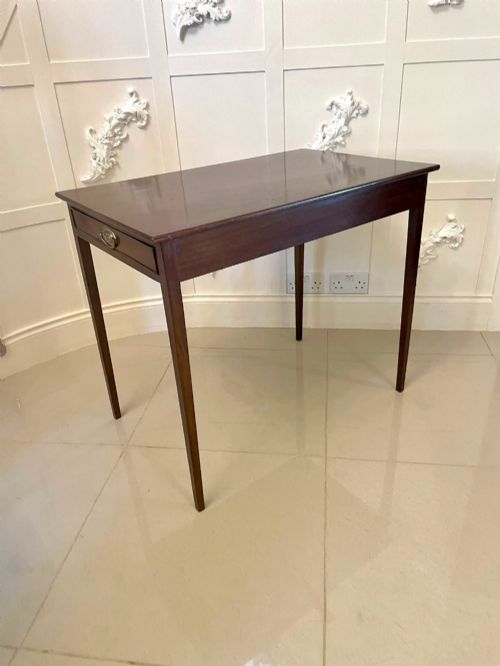
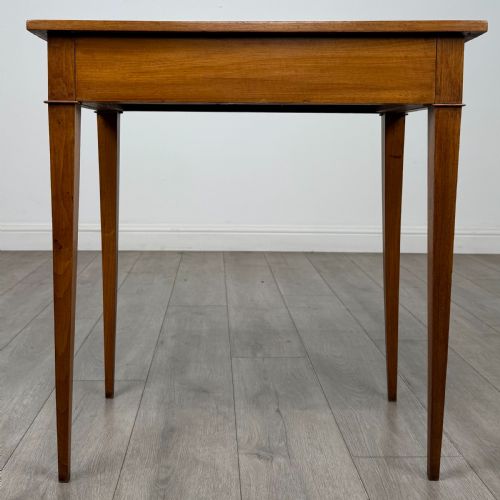
When you search for classic nightstands, you encounter bedside cabinets, cupboards, and side tables that serve the bedroom with traditional utility. The selection brings together pieces from the eighteenth century, the Victorian era, and the Edwardian period, each designed to hold nighttime essentials near the bed. Cabinets with enclosed storage and open tables with hidden drawers both appear frequently across these listings.
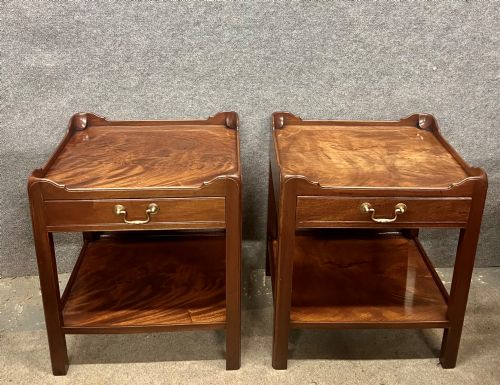
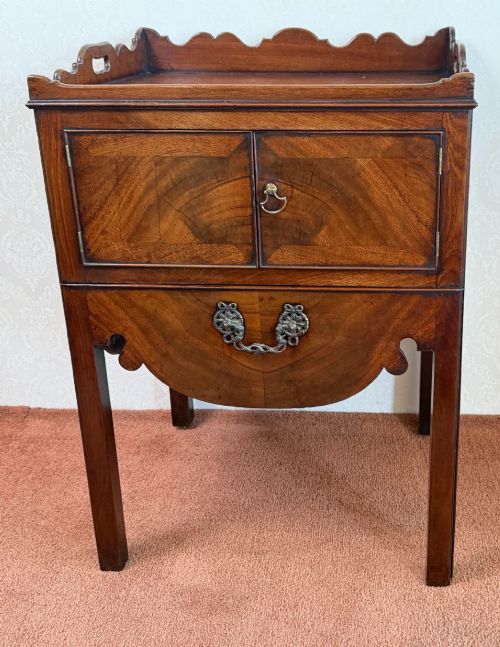
Georgian and George III examples demonstrate early forms, often featuring tray tops or compact proportions suited to period interiors. Victorian and Edwardian makers later refined these designs in mahogany and walnut, occasionally adding delicate inlay or brass hardware. The range includes single pieces and matched pairs, giving you flexibility for balanced bedroom schemes.
Materials and construction methods
Makers relied heavily on solid mahogany and walnut, prized for their dense grain and warm tones, alongside occasional use of satinwood for decorative contrast. Timber selection dictated the structural integrity of these bedside pieces, ensuring durability through decades of daily use.
Traditional joinery techniques joined these timbers into functional forms like pot cupboards, Pembroke tables, and bedside cabinets with hidden drawers. Surface decoration often involved fine inlay work and polished finishes that highlighted the natural figure of the wood.
Listings span from the eighteenth century through the nineteen fifties, encompassing Georgian, Victorian, Edwardian, and mid-century periods in mahogany, walnut, and brass.
Assessing quality in the range
Quality reveals itself in the selection of timber and the precision of the cabinetwork, from the alignment of hidden drawers to the crispness of inlaid details. Finer examples display superior figure in the mahogany or walnut veneer and thoughtful proportions that reflect their period of origin.
The distinction between standard utility pieces and finer works lies in the subtlety of the design and the preservation of original hardware and surfaces. Pieces retaining their historic finish and uncompromised structural integrity command greater appreciation among collectors.
The Classic Nightstands Glossary
- Tray top
- A raised rim around the edge of a table or cabinet top designed to prevent items from rolling off. This feature is particularly characteristic of eighteenth-century bedside furniture.
- Pot cupboard
- A small bedside cabinet originally designed to house a chamber pot behind a panelled door. These items now function primarily as versatile bedside storage.
- Pembroke table
- A small table featuring drop leaves on either side supported by hinged brackets. They often include a single drawer and were traditionally used for writing or occasional surface space.
- Inlay
- A decorative technique where contrasting woods or materials are inserted into recesses within the primary timber. Edwardian and Sheraton Revival pieces frequently employ this method for visual refinement.
- George III
- The stylistic period spanning the reign of George III from seventeen sixty to eighteen twenty, known for restrained classical proportions and high-grade mahogany.
Classic Nightstands: Frequently Asked Questions
How were bedside cabinets used originally?
Historically, enclosed bedside cabinets often served as pot cupboards to conceal chamber pots before indoor plumbing became standard. They also held nighttime necessities such as candlesticks, books, and personal items.
Over time, their purpose evolved purely towards convenience and bedside storage, adapting to modern domestic routines while retaining their traditional cabinetry.
Are pairs common for these tables?
Matched pairs appear alongside single pieces within these historical periods, reflecting the layout requirements of larger bedrooms. Finding a matching pair from the Victorian or Edwardian eras offers symmetrical placement on either side of a bed.
Single examples are equally prevalent, often chosen as standalone accent pieces or occasional lamp tables in smaller spaces.
How do I identify a Georgian piece?
Georgian and George III pieces typically feature dense mahogany timber, clean classical lines, and understated proportions without excessive ornamentation. Details like tray tops and subtle bracket feet are common indicators of this eighteenth-century aesthetic.
Construction methods also aid identification, relying on period joinery techniques and hand-cut dovetails within the drawer construction.