


Classic Mantel Mirror
A classic mantel mirror anchors a room with scale and light, bringing a traditional presence to any fireplace.
Classic Mantel Mirror
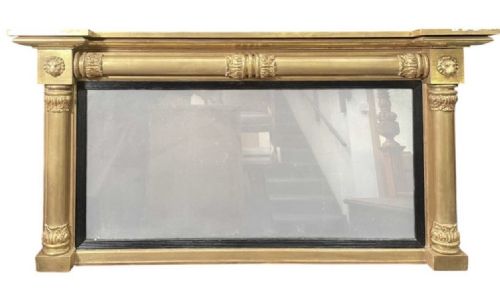
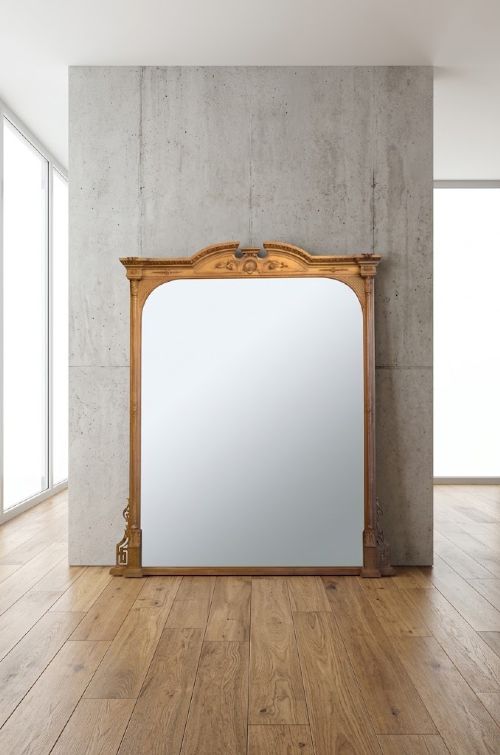
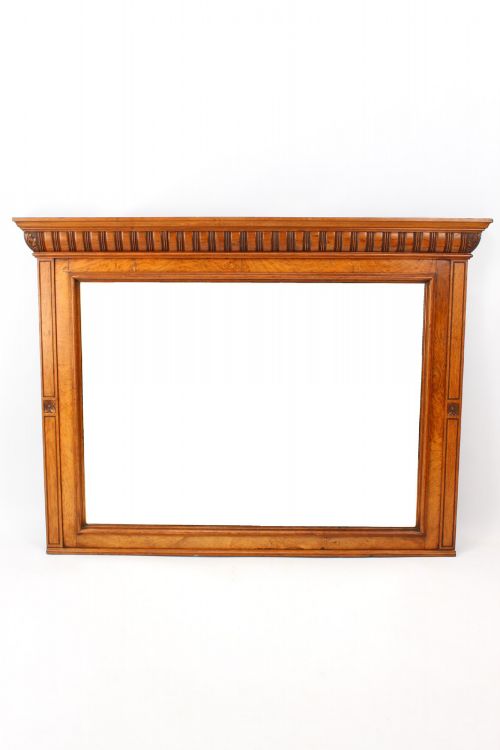
A classic mantel mirror sits above a fireplace to reflect light and proportion a room. These pieces appear in forms such as overmantel mirrors, wall mirrors, and oval mirrors, spanning periods from the eighteenth century through the mid-twentieth century.
The most common versions met here belong to the nineteenth century and the Victorian era, alongside Regency, Louis Philippe, and Georgian examples. They arrive in substantial proportions, often designed specifically to span the width of a chimney breast.
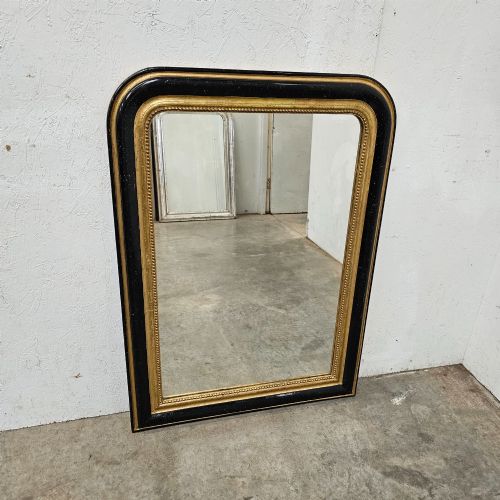
Makers fashioned these works in English and French workshops, utilising styles that range from Rococo Revival and French Neoclassical to simple column-framed designs. Every piece brings a distinct architectural weight to domestic interiors.
How they were made
Carpenters built the primary structures using wood, oak, and ebonised wood, carving intricate details directly into the timber or applying composition ornaments. Gesso layers provided a smooth base for subsequent gilding with gold leaf.
Surface decoration frequently relied on gilding over gesso and carved wood, creating a bright metallic finish that caught candle or daylight. Other examples received plain paint or white and gilt finishes, particularly on French frames.
Materials across these listings include traditional giltwood, gesso, composition, paint, and ebonised wood framed around glass.
What varies in quality
The crispness of the carved wood and the application of gesso distinguish finer frames from simpler productions. Deeply carved architectural elements and refined gilding reflect a higher standard of workshop execution.
Proportion and scale dictate the visual impact of the glass and frame. Tighter control over the joinery and the preservation of original surfaces separate standard decorative examples from superior period pieces.
The Classic Mantel Mirror Glossary
- Giltwood
- Timber covered with a thin layer of gold leaf. This technique gives frames a rich metallic brilliance that endures across centuries.
- Gesso
- A plaster mixture applied to wood frames as a base for gilding. It allows craftsmen to model sharp relief details before applying gold leaf.
- Overmantel mirror
- A large mirror designed specifically to hang above a mantelpiece. These horizontal formats were built to match the width of the fireplace below.
- Composition
- A moulded material made from whiting, resin, and glue used for decorative ornaments. Workshops pressed this mixture into moulds to adorn picture and mirror frames.
- Regency
- An English design style dating from the early nineteenth century. It is known for classical restraint, giltwood finishes, and architectural lines.
Classic Mantel Mirror: Frequently Asked Questions
Where should a mantel mirror hang?
These mirrors traditionally sit directly above a fireplace mantel to reflect light across the room. Their horizontal proportions suit the space above a hearth.
They also function effectively on large blank walls where a substantial architectural anchor is required.
How do I identify a Victorian mirror?
Victorian mirrors often display heavier carved wood frames and rich giltwood or gesso decoration. They frequently incorporate architectural motifs inspired by earlier periods.
Examining the construction timber and the backboards helps confirm the nineteenth-century origins of the piece.
How were old mirror frames gilded?
Craftsmen applied thin sheets of gold leaf over a prepared gesso and bole surface on carved wood. This traditional method required immense skill to ensure an even, luminous finish.
Over decades, the gold leaf thints gracefully to reveal the warm red bole beneath.